Abstract
This article further examines the psychological, sociological, and cultural literature on cult disengagement and recovery, applying these frameworks to the GuriNgai group and the Coast Environmental Alliance (CEA). Drawing on foundational work by Langone, Lalich, Lifton, Singer, and Hassan; including Langone’s analysis of cultic trauma and Hassan’s BITE model of behavioural, informational, thought, and emotional control, it explores the coercive strategies used by high-control groups to recruit and retain members.

We argue that the GuriNgai and CEA networks operate as settler cults, relying on identity fraud, charismatic leadership, and spiritual manipulation, often infused with conspiratorial populism and QAnon-adjacent rhetoric, to create tightly bounded ideological systems.

These dynamics produce a wide spectrum of harms. Individuals who begin to question their place in the group often experience cultural disorientation and emotional trauma.
Fractured kinship ties may isolate members from family and cultural roots. Youth may be taught to disregard Elders, fostering intergenerational mistrust.

At a broader level, communities may become divided and confused over rightful cultural leadership and governance, contributing to the erosion of legitimate Aboriginal authority and cultural continuity.
Further tangible harms include depression, anxiety, feelings of cultural betrayal, disrupted education trajectories, severed family and community relationships, financial hardship, and loss of employment due to ideological isolation.

These impacts are compounded by the silencing of Aboriginal voices within key public and institutional forums, exacerbating the marginalisation of authentic cultural custodianship.

By embedding these settler-colonial narratives within pseudo-spiritual rhetoric, the groups obscure their lack of legitimacy while inflicting lasting psychological, interpersonal, and socio-political harm.

Nevertheless, recovery is possible through critical education, trauma-informed care, and culturally safe reintegration, offering pathways for healing grounded in truth-telling and ethical accountability.
This analysis situates the GuriNgai and CEA within the broader settler-colonial framework, illustrating how cultic dynamics operate as a form of neocolonial control, perpetuating historical patterns of Indigenous displacement and cultural appropriation.

1. Introduction: Contextualizing Settler Cults and Neocolonial Violence
This report examines the GuriNgai group and the Coast Environmental Alliance (CEA), two high-control organizations operating in Australia.
These entities are characterized by their reliance on Indigenous Identity appropriation and fraud, charismatic leadership, and spiritual manipulation, which collectively contribute to the formation of tightly bounded ideological systems.

The activities of these groups inflict a wide spectrum of harms to the participants, ranging from individual psychological trauma and cultural disorientation to the broader erosion of legitimate Aboriginal authority and cultural continuity.
Situating these groups within the larger framework of settler-colonialism, we demonstrate how their cultic dynamics function as a contemporary form of neocolonial control, perpetuating historical patterns of Indigenous displacement and cultural appropriation.

Our central argument is that the GuriNgai and CEA networks exemplify “settler cults.” This designation isn’t merely a descriptive label but serves as a critical analytical lens.
It highlights that these groups are not isolated phenomena, but are deeply embedded within, and actively perpetuate, the historical power dynamics of settler-colonialism in Australia.
This perspective extends beyond a general analysis of mind control, focusing on how such control serves a colonial agenda by usurping Indigenous identity and authority.

Through their operations, these groups leverage psychological and sociological control mechanisms, particularly identity fraud and spiritual manipulation, as a contemporary form of neocolonial violence.

This perpetuates historical patterns of Indigenous displacement and cultural appropriation, inflicting profound individual, interpersonal, and socio-political harms.

Nevertheless, the report underscores that recovery from such involvement is possible through critical education, trauma-informed care, and culturally safe reintegration, all grounded in truth-telling and ethical accountability.

We delve into the theoretical underpinnings of cultic control, analyze its specific manifestations within the GuriNgai and CEA, detail the multifaceted harms incurred, explore the complex processes of exit and recovery, and propose institutional and community-level interventions aimed at fostering accountability and healing within the Australian Indigenous context.

2. Defining Cults: Formal Criteria and Theoretical Foundations
To establish that the GuriNgai and CEA operate as cultic organisations, it’s essential to engage critically with multidisciplinary definitions of cults. High-control groups, often termed cults, employ sophisticated psychological and sociological mechanisms to exert influence over their members.

Understanding these foundational theories is crucial for comprehending the dynamics at play within groups like the GuriNgai and the Coast Environmental Alliance.

Michael Langone (1993) defines a cult as “a group or movement exhibiting great or excessive devotion to some person, idea, or thing, and employing unethical manipulative techniques of persuasion and control… to advance the goals of the group’s leaders, to the actual or possible detriment of members, their families, or the community” (Langone, 1993, p. 5).

This definition underscores the exploitative structure of groups that use manipulation and devotion to consolidate power (Langone, 1993).
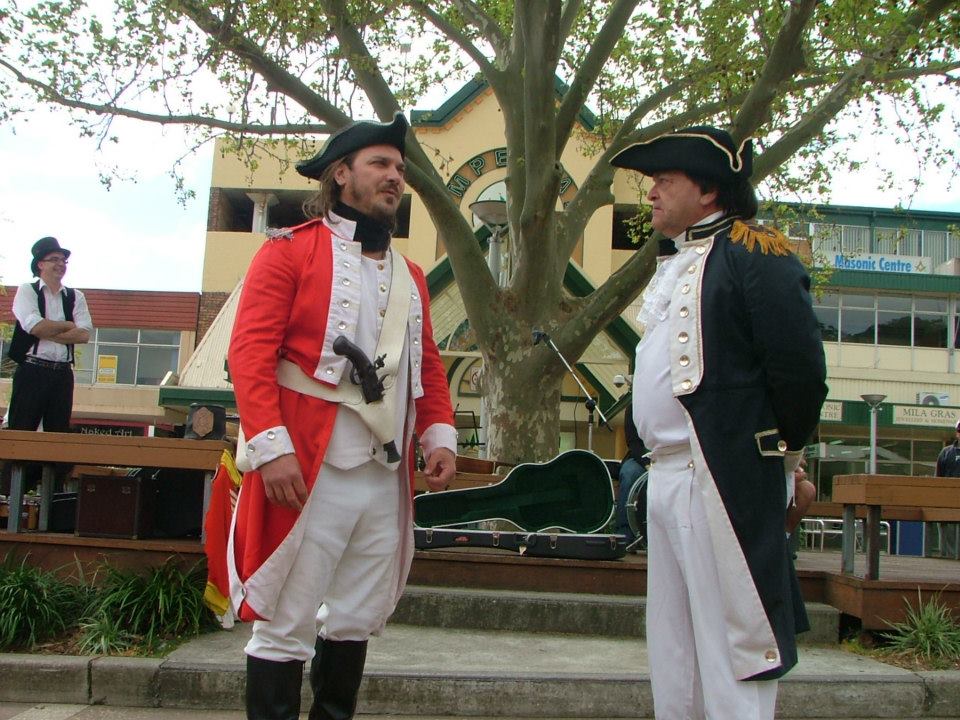
Robert Jay Lifton’s (1989) framework of “ideological totalism” outlines eight key themes of cultic control: milieu control, mystical manipulation, demand for purity, cult of confession, sacred science, loading the language, doctrine over person, and dispensing of existence (Lifton, 1989).
These elements describe how cults engineer cognitive isolation and total commitment through a comprehensive system of belief, language, and behaviour (Lifton, 1989).
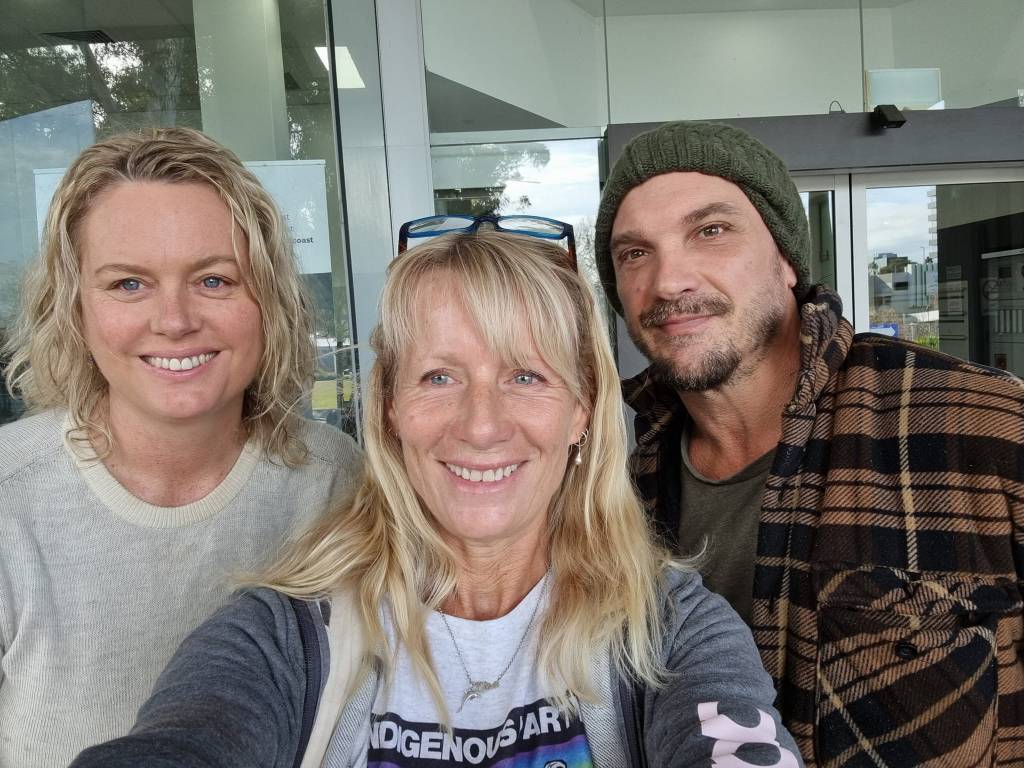
Janja Lalich (2004) builds on this with the concept of “bounded choice,” where cult members surrender personal agency through mechanisms of dependency, coercion, and ideological closure (Lalich, 2004).

Her notion of a “self-sealing system” captures how criticism and doubt are neutralised internally, preventing escape or critical reflection (Lalich, 2004).

A significant aspect of this bounded reality is the “illusion of freedom” presented by cults (Lalich, 2004). This is a sophisticated recruitment strategy that co-opts universal human desires for self-actualization and belonging (Lalich, 2004).
Cults initially present themselves as havens of individual freedom and enlightenment, offering sanctuary from societal constraints and a platform for personal growth (Lalich, 2004).

This appeal explains why occasionally intelligent, educated, and reasonable individuals can be drawn into these groups, as they seek to apply their intellect and abilities towards seemingly altruistic goals (Lalich, 2004).
This highlights that cults exploit positive human aspirations, not solely pre-existing vulnerabilities (Lalich, 2004).

The internalization of this bounded choice means that recovery must address not just external control, but the deeply ingrained cognitive and emotional frameworks that perpetuate self-limitation and dependency (Lalich, 2004).
This necessitates a profound re-education of self-perception and decision-making processes, helping individuals to relearn critical thinking and trust their own judgment, which was systematically eroded within the cultic environment (Lalich, 2004).

Steven Hassan (2015) contributes the BITE model: Behaviour, Information, Thought, and Emotional control, as a practical diagnostic tool to identify authoritarian cults (Hassan, 2015).

“BITE” categorizes the specific methods cults use to recruit and maintain influence over individuals (Hassan, 2015).
The GuriNgai and CEA exhibit numerous characteristics consistent with this model, displaying several red flags:
Behavior Control: These groups regulate members’ physical reality, dictating living arrangements, controlling types of clothing, and influencing diet and sleep. Financial exploitation and dependence are common, and members often spend major time in group indoctrination, requiring permission for significant decisions. Individualism is discouraged in favor of groupthink, with rigid rules and the instillation of dependency (Hassan, 2015).
For instance, members may be pressured to cut ties with questioning family members or discouraged from attending community events outside the group’s control.
Observable behaviors include controlling language in social media posts, such as coded references to ‘awakened’ versus ‘asleep’ individuals, and emotional surveillance during workshops.

Information Control: Cults deliberately withhold or distort information, systematically lying to members and minimizing access to non-cult sources.
Information is compartmentalized into insider/outsider narratives, and spying on other members may be encouraged.
Extensive use of cult-generated information and unethical use of confession are also common (Hassan, 2015).
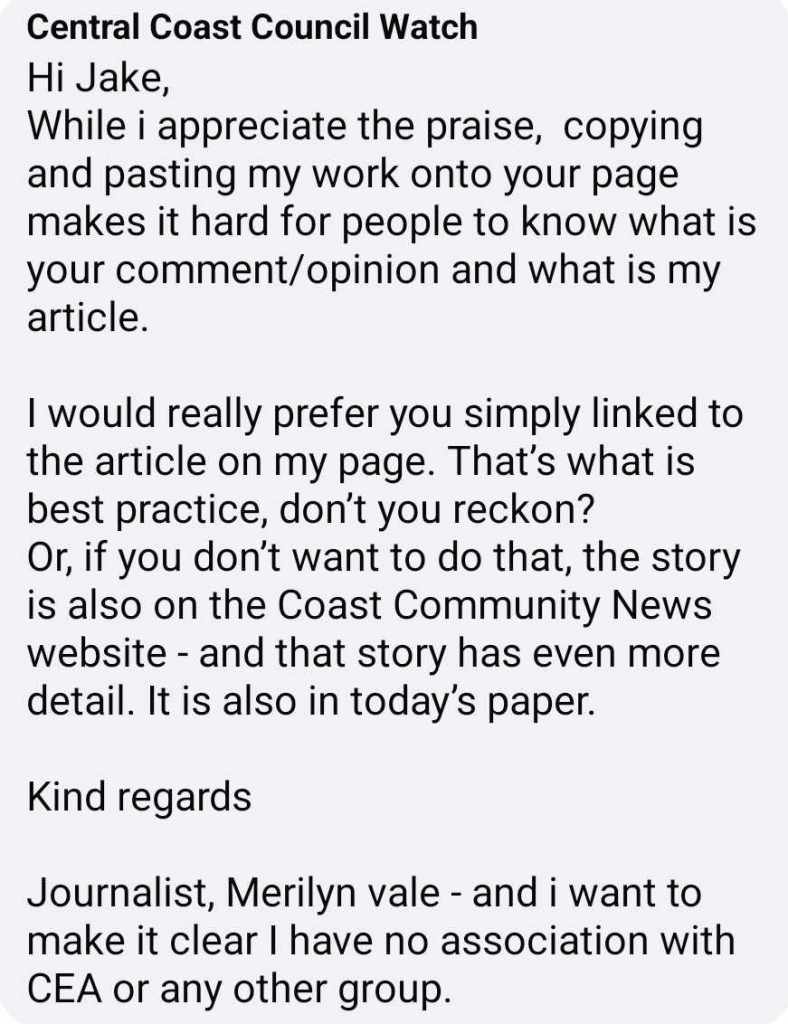
Members may be warned not to engage with journalists or instructed to dismiss respected Aboriginal Elders as spiritually corrupt.

Thought Control: Groups require members to internalize the group’s doctrine, sometimes even changing a person’s name and identity.
Loaded language and clichés are used to constrict thought, and only “good and proper” thoughts are encouraged.

Hypnotic techniques may be used to alter mental states, and memories can be manipulated.
Thought-stopping techniques are taught to prevent critical inquiry, and rational analysis is rejected.

Questioning the leader or doctrine is forbidden, and alternative belief systems are labeled as illegitimate, instilling a new “map of reality” (Hassan, 2015).
Questioning leadership decisions may be framed as betrayal of sacred responsibility to ‘Country’.

Emotional Control: Cults manipulate and narrow the range of feelings, teaching emotion-stopping techniques. They promote feelings of guilt or unworthiness, often through identity, social, or historical guilt, making individuals feel that problems are always their own fault, never the leader’s or the group’s (Hassan, 2015).

Fear is instilled, including fear of thinking independently, the outside world, enemies, or losing salvation or being shunned (Hassan, 2015). This fosters emotional dependency and a constant state of moral tension.

The BITE model, beyond being a diagnostic tool, implicitly highlights the gradual, systematic erosion of autonomy and self-identity within cults (Hassan, 2015).
The detailed list of control mechanisms, such as changing a person’s name and identity, manipulating memory, and instilling a new “map of reality” (Hassan, 2015), demonstrates a process of de-individuation where the individual’s original self is replaced by a group-defined identity (Hassan, 2015).

The utility of the BITE model in recovery suggests that re-establishing critical thinking and actively acknowledging suppressed negative experiences is paramount (Hassan, 2015).

This implies that cult-induced trauma involves profound cognitive distortions and emotional suppression that must be systematically dismantled during the healing process (Hassan, 2015).

If the brain tends to suppress negative information about traumatic situations (Hassan, 2015), then recovery isn’t a passive process but requires active, guided re-engagement with suppressed truths and the development of critical faculties that were deliberately undermined by the cult’s thought-stopping techniques (Hassan, 2015).
Margaret Singer (2003) focuses on thought reform, emphasizing techniques such as love bombing, phobia indoctrination, and induced dissociation (Singer, 2003).
These methods are used to destabilize identity and reframe members’ relationships with truth and selfhood (Singer, 2003).

Additional definitions from Richardson (1993), Anthony and Robbins (1992), and Zablocki (2001) introduce a sociological perspective (Richardson, 1993; Zablocki, 2001).
They emphasize the dynamics of control through social structure, charismatic authority, role insulation, and the social construction of truth and belonging (Richardson, 1993; Zablocki, 2001).
Zablocki, in particular, describes cults as groups employing “charismatic authority and strategic social encapsulation” to enforce ideological commitment and isolate followers from competing worldviews (Zablocki, 2001).
Together, these frameworks outline the necessary criteria for identifying cultic groups: (1) charismatic leadership and centralized authority, (2) unethical persuasion and manipulation, (3) enforced conformity and epistemic insulation, and (4) harm to members, critics, and the wider society (Richardson, 1993; Zablocki, 2001).
As subsequent sections demonstrate, the GuriNgai and CEA not only meet but exemplify these characteristics in structure, practice, and impact.
The Cultic Lifecycle: From Idealization to Psychological Entrapment
Grant’s (2022) Cultic Lifecycle framework articulates a progression that begins with idealistic promise and culminates in psychological entrapment (Grant, 2022).
This model reveals how individuals are drawn into cults during stressful life transitions, where cults exploit vulnerabilities and inherent human desires for meaning and self-improvement (Grant, 2022).

Cults effectively fulfill Maslow’s higher-level needs, such as a sense of community (32.4% of participants), self-understanding (29.7%), and purpose/spirituality (27.0%) (Grant, 2022).

This explains their powerful draw, particularly for individuals experiencing anomie-related or interpersonal stressors, highlighting cults as substitute social structures that provide a distorted sense of belonging and meaning, making them appealing even to “psychologically healthy people” (Grant, 2022).
The trajectory typically follows four key stages:
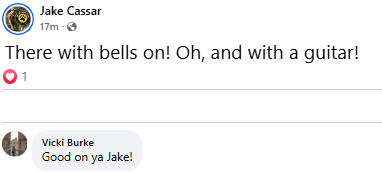
Idealization: For the GuriNgai group, this process starts with the appropriation of Aboriginal motifs, spiritual language, and activist rhetoric, constructing a surrogate cultural identity for individuals lacking recognized community ties. In the case of the Coast Environmental Alliance (CEA), the lifecycle begins with a compelling narrative of ecological defense, casting Jake Cassar as a spiritual bulwark against environmental destruction and a charismatic ecological protector.
These foundational narratives serve as potent recruitment mechanisms by fulfilling unmet needs for belonging, identity, and existential purpose.
Consolidation of Control: As control is consolidated, members are expected to adopt group-specific behaviors and cut ties with dissenting voices. The “cult of confession” and “demand for purity” (Lifton, 1989; Singer, 2003) within this phase create a system of perpetual guilt and self-blame, where any internal doubt or external problem is attributed to the member’s “impurity” rather than the group’s flaws (Lifton, 1989; Singer, 2003).
This mechanism reinforces leader authority and prevents dissent, making exit extremely difficult due to instilled fears of spiritual punishment or ostracism (Grant, 2022).

Isolation: During this phase, emotional and intellectual confinement deepens, often manifesting in distrust toward Elders, avoidance of critical media, and increased social withdrawal.

Former members report being pressured to cut ties with questioning family members, discouraged from attending community events outside the group’s control, and shamed for engaging with culturally legitimate Aboriginal organizations.
Psychological Harm: This culminates in psychological harm, where fear, shame, and guilt replace the initial sense of purpose. Some ex-members report feeling spiritually contaminated or disoriented after leaving the group, reflecting the deep psychological imprint of prolonged cultic control.
Charismatic Leadership and Spiritual Fraud
At the core of all high-control cultic formations lies charismatic authority (Richardson, 1993). Max Weber’s (1947) theory of charisma describes the “exceptional sanctity, heroism or exemplary character” attributed to leaders whose claims aren’t grounded in traditional or legal-rational legitimacy, but in personal mythos and emotional appeal (Richardson, 1993).

Both the GuriNgai and Coast Environmental Alliance (CEA) are organized around such centralized charismatic figures, Tracey Howie and Jake Cassar, whose unverified or demonstrably false claims to expertise, spiritual, or cultural knowledge become the primary source of institutional authority within their respective groups (Cooke, 2025d).

Tracey Howie self-identifies as an Aboriginal Elder, cultural educator, and law-woman, asserting descent from the so-called “Guringai,” “Wannangine,” and “Walkaloa” clans (Cooke, 2025d).
These clans have no documented historical basis in anthropological or community-endorsed sources (Cooke, 2025d; Kwok, 2015; Lissarrague & Syron, 2024).


Howie’s identity claims and associated cultural authority have been systematically challenged by Aboriginal community members, historians, and genealogical researchers (Cooke, 2025d; Kwok, 2015; Lissarrague & Syron, 2024).
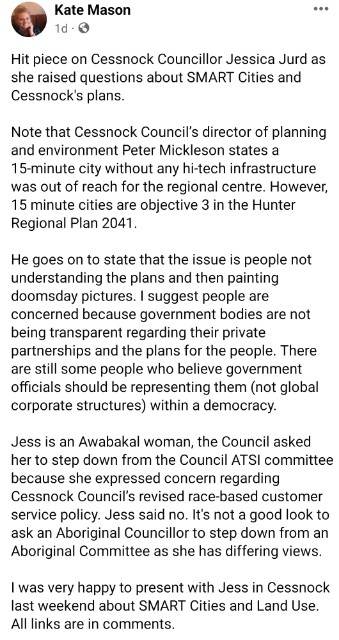
Nevertheless, she maintains public influence through institutional partnerships, educational workshops, and media visibility, leveraging her position to delegitimize genuine Aboriginal authority structures such as the Metropolitan and Darkinjung Local Aboriginal Land Councils (Cooke, 2025d; Hornsby Shire Council, 2020; Wyong Coal, 2015).

Her charismatic influence operates in classic cultic fashion: elevating personal narrative above community verification, dispensing with objective genealogical critique, and centering herself as the sole interpreter of “truth” and “law” in local Indigenous affairs (Cooke, 2025d).

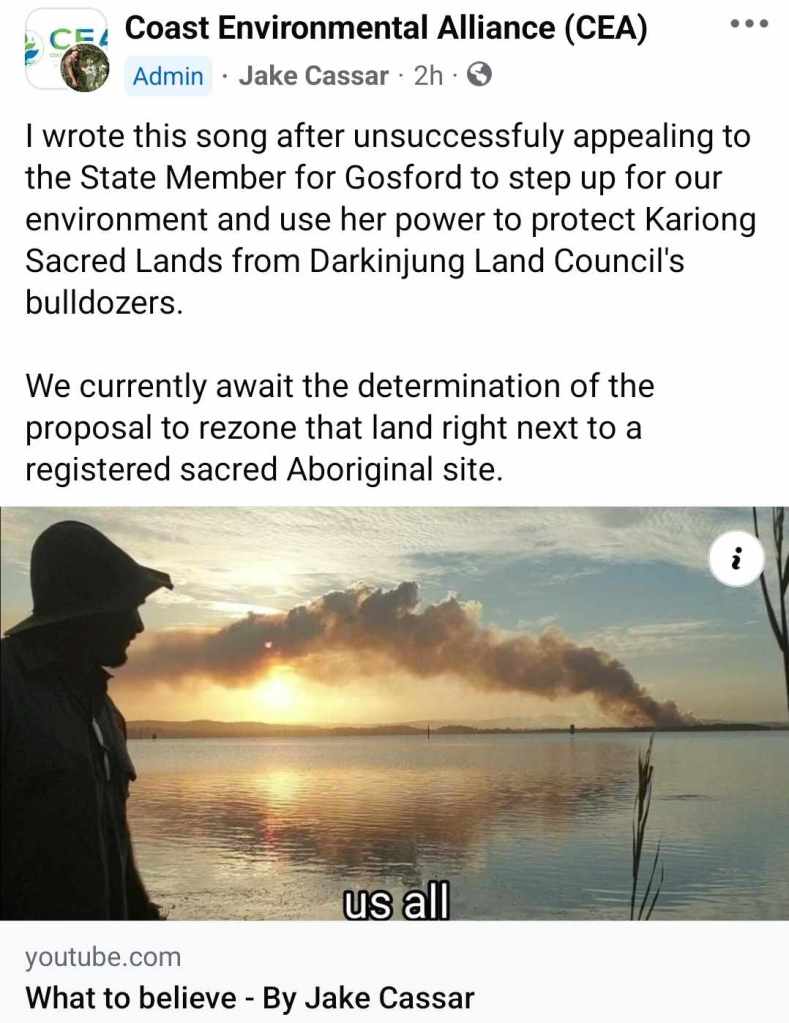
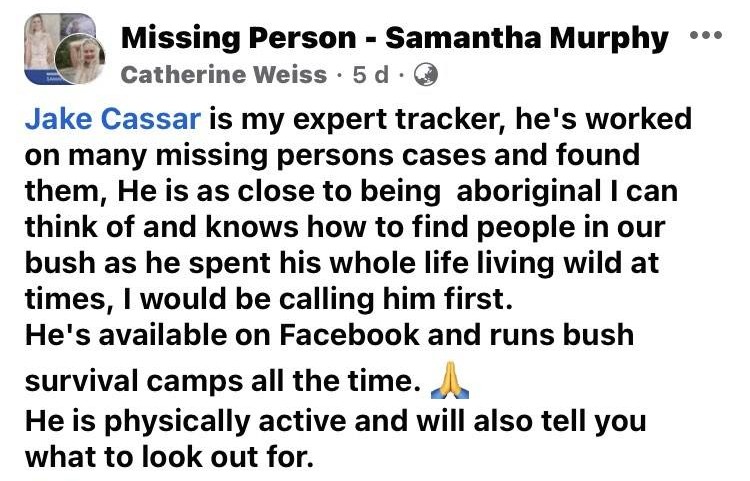
Jake Cassar similarly exercises charismatic dominance, albeit through a spiritualized faux-environmental lens (Cooke, 2025d; Cooke, 2025e).
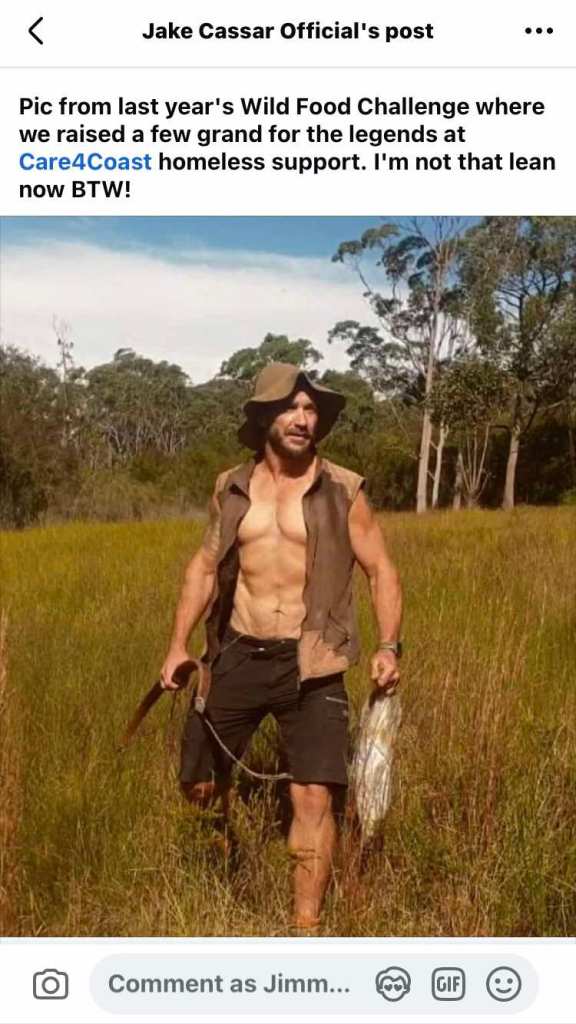
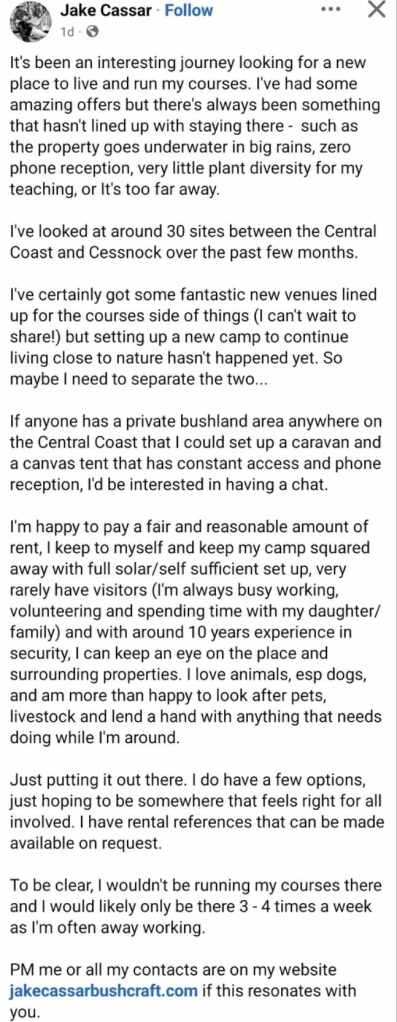
Presenting himself as a bushcraft expert, conservationist, and protector (Jake Cassar Bushcraft, n.d.; Permaculture Northern Beaches, 2016; Pretty Beach House, n.d.), Cassar uses his persona to attract a broad social media following and mobilize campaigns exclusively opposing Aboriginal-led developments (Cooke, 2025d).

He routinely incorporates spiritual language, mythopoetic storytelling, and references to “sacred trees,” “ancient wisdom,” and being “custodians” in describing the lands he claims to defend (Cooke, 2025d).

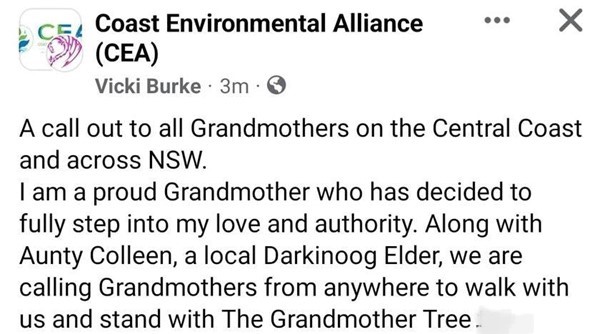
Yet his campaigns have repeatedly targeted Aboriginal-owned lands and been based on fabricated mythologies, such as the debunked “Kariong Hieroglyphs” or the spiritually charged but culturally unauthenticated “Grandmother Tree” (Cooke, 2025d).

His leadership mirrors Lifton’s (1989) concept of “mystical manipulation,” wherein leaders manufacture spiritual authority by aligning themselves with supposedly divine or cosmic purpose—thereby rendering dissent not merely wrong but sacrilegious (Lifton, 1989).

Both leaders exercise unilateral interpretive power. Their personal narratives function as sacred science (Lifton, 1989), immune to scrutiny, and their declarations about ancestry, land, and law are treated as inviolable truths within their organizations (Lifton, 1989).

Dissent is preemptively neutralized by framing it as racism, cultural ignorance, or government corruption (Cooke, 2025d).

This epistemic closure is indicative of what Lalich (2004) terms a “bounded choice” environment: followers are presented with only one acceptable interpretive framework, that of the leader, under the guise of cultural or ecological authenticity (Lalich, 2004).
From the perspective of the BITE model (Hassan, 2015), Howie and Cassar enforce Behavioural control (through attendance at rituals, land visits, and protests), Information control (through misinformation about Aboriginal history and land rights), Thought control (by redefining settler guilt as spiritual ancestry or custodianship), and Emotional control (through guilt induction and fear of exclusion) (Hassan, 2015).
They perform what Tobias and Lalich (1994) describe as “pseudo-tribal” leadership, fostering a closed in-group identity in which traditional relational accountability is replaced with authoritarian loyalty to the central figure (Richardson, 1993).

Importantly, these dynamics aren’t merely internal. Cassar and Howie’s charisma is projected outward to institutions and public audiences.
Local councils, schools, and environmental organizations often collaborate with or platform these individuals, unaware of the fabricated bases of their authority or the coercive nature of their group structures (Cooke, 2025d).

Their ability to manipulate institutional relationships underscores Richardson’s (1993) emphasis on how cults strategically manage public legitimacy while maintaining authoritarian control internally (Richardson, 1993).
The cultic pattern of centralized spiritual fraud within both the GuriNgai and CEA reflects what Johnson (1967) called the “substitutive ideology” of charismatic movements: the replacement of inherited or verified traditions with fabricated systems designed to reinforce leader control (Richardson, 1993).

This not only perpetuates harm within their respective groups but also contributes to the epistemic erasure of legitimate Aboriginal law, heritage, and governance (Cooke, 2025d).

Table 1: Application of Hassan’s BITE Model to GuriNgai and CEA
BITE Model Component
General Cultic Manifestations (Hassan, 2015)
Specific Manifestations in GuriNgai/CEA (Cooke, 2025d; Hassan, 2015)
Behavior Control
Regulate physical reality, dictate living arrangements, financial exploitation, restrict leisure, require permission for major decisions, discourage individualism, impose rigid rules, instill dependency.
Members discouraged from speaking to questioning family; pressured to cut ties with culturally legitimate Aboriginal organizations; policing of group narratives during public meetings; emotional surveillance during workshops; control over social media language (e.g., ‘awakened’ vs. ‘asleep’).
Information Control
Deliberately withhold/distort information, systematically lie, minimize access to non-cult sources, compartmentalize information, encourage spying, extensive use of cult-generated information, unethical use of confession.
Members warned not to engage with journalists; instructed to dismiss respected Aboriginal Elders as spiritually corrupt or politically compromised; suppression of critical inquiry; self-sealing narratives that conflate charisma with Indigenous legitimacy.
Thought Control
Require internalization of group’s doctrine, change person’s name/identity, use loaded language/cliches, encourage only ‘good’ thoughts, manipulate memories, teach thought-stopping, reject critical thinking, forbid critical questions about leader/doctrine, label alternatives as illegitimate, instill new ‘map of reality’.
Questioning leadership decisions framed as betrayal of ‘sacred responsibility to Country’; enforced groupthink; use of jargon like ‘awakened’ vs. ‘asleep’ to regulate belief; fostering emotional dependency and moral tension.
Emotional Control
Manipulate/narrow range of feelings, teach emotion-stopping techniques, promote self-blame, instill guilt/unworthiness (identity, social, historical guilt), instill fear (independent thinking, outside world, enemies, losing salvation, leaving), extremes of emotional highs/lows (love bombing), ritualistic confession, phobia indoctrination.
Weaponization of guilt and spiritual shame; instilling fear of spiritual punishment or communal exclusion for voicing doubts; members afraid any independent thought could sever spiritual belonging; feelings of cultural betrayal and spiritual contamination post-exit.

3. The GuriNgai and Coast Environmental Alliance: Case Studies in Settler Cultism
The GuriNgai group and the Coast Environmental Alliance (CEA) serve as compelling case studies illustrating the mechanisms of settler cultism in contemporary Australia.
Their operations reveal how identity manipulation and pseudo-spiritual rhetoric are deployed as tools of neocolonial control.

Fabricated Identities and Cultural Appropriation: The GuriNgai Mythos
The GuriNgai group operates as a settler cult, fundamentally relying on identity fraud (Cooke, 2025d). This self-identified group is entirely composed of individuals with no known Aboriginal descent, community recognition, or cultural continuity (Cooke, 2025d).

They’ve established themselves across the Northern Beaches, Hornsby Shire, and Central Coast of New South Wales by misappropriating historical figures like Bungaree and his descendants, falsely asserting custodianship over Country to which they have no legitimate biological or cultural claim (Cooke, 2025d).
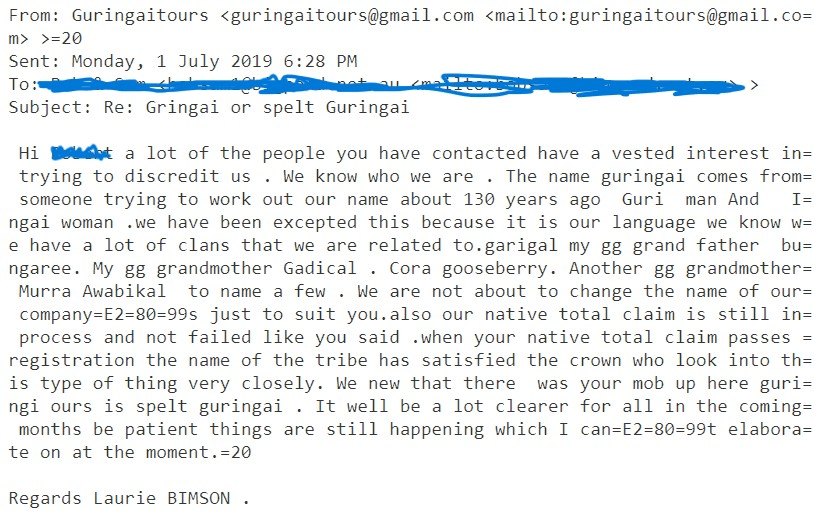
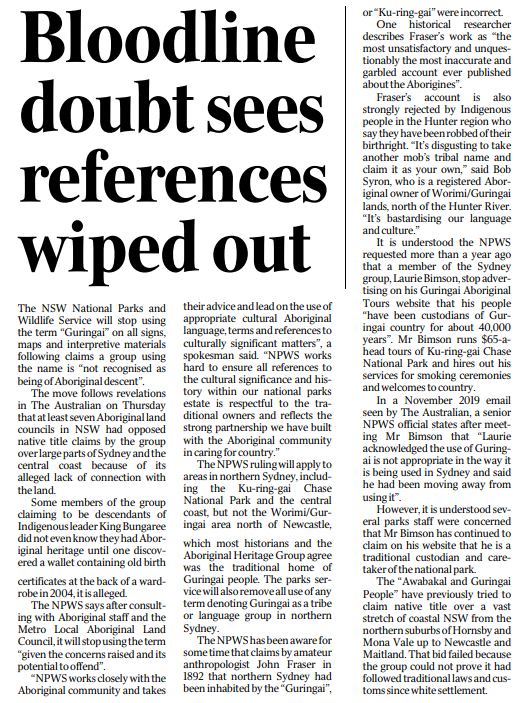
The term “GuriNgai” itself is a fabrication, first coined in 1892 by John Fraser based on a flawed analysis of Aboriginal languages (Cooke, 2025d; Kwok, 2015; Lissarrague & Syron, 2024).
There is no recorded evidence of its use prior to his publication (Kwok, 2015). Prominent ethnographers like Norman Tindale (1974) “scathingly criticized Fraser’s work” as “unquestionably the most inaccurate and garbled account ever published about the aborigines,” removing the term entirely from his influential maps (Kwok, 2015; Tindale, 1974).
Despite this, the modern GuriNgai group has deliberately rebranded and weaponized this fabricated colonial construct to facilitate illegitimate claims to land, culture, and authority (Cooke, 2025d).

The Metropolitan Local Aboriginal Land Council (MLALC) and six other Land Councils confirmed in a 2020 letter to the Premier of NSW that the GuriNgai claimants have no legitimate connection to Country in the Northern Beaches or Central Coast, and their 2013 Native Title claim was discontinued due to a complete lack of credible evidence for cultural continuity or descent (Metropolitan LALC, 2020; Cooke, 2025d).

The GuriNgai group’s use of this fabricated ethnonym and false claims to custodianship is not merely cultural appropriation but a deliberate act of neocolonial violence (Cooke, 2025d).
This reassertion of settler control through identity manipulation actively undermines Indigenous sovereignty and cultural continuity (Cooke, 2025d).
The persistence of the fabricated “Kuringgai/GuriNgai” ethnonym in public perception and institutional use (Kwok, 2015; Lissarrague & Syron, 2024), despite overwhelming academic and Indigenous refutation, illustrates the enduring power of colonial narratives over historical and cultural truth (Kwok, 2015; Lissarrague & Syron, 2024).

This structural issue makes it difficult for legitimate Aboriginal communities to assert their authority and for the public to discern authentic claims, as colonial inventions can become entrenched in the public consciousness, creating a “void” (Kwok, 2015) that fraudulent groups exploit.

Jake Cassar and CEA: Entrepreneurial Spiritual Leadership and Faux-Environmentalism
Jake Cassar, the founder of the Coast Environmental Alliance (CEA) and the public face of Jake Cassar Bushcraft, has cultivated a charismatic persona that aligns closely with the model of ‘entrepreneurial spiritual leadership’ (Coco, 2023).

His carefully crafted identity blends bush survivalism, apocalyptic prophecy, and spiritualized faux-environmentalism, reflecting a fusion of esoteric ecology and conspiratorial counter-modernity (Cooke, 2025e).
He positions himself as a “spiritual bulwark against environmental destruction” and a “charismatic ecological protector”.

Cassar is a self-taught bushcraft teacher, tour guide, and youth mentor (Jake Cassar Bushcraft, n.d.), presenting himself as a conservationist and reconciliation activist who claims to have learned from an Indigenous family (Permaculture Northern Beaches, 2016).

He offers tours on native plants and survival skills (Jake Cassar Bushcraft, n.d.) and has been credited for a Land and Environment Court ruling against development (Permaculture Northern Beaches, 2016).
He has also criticized others for not consulting Aboriginal people (Jake Cassar, 2019).

This self-presentation creates an aura of Indigenous legitimacy that masks his spiritual manipulation and faux-environmentalism (Cooke, 2025e). This strategic performance leverages public desire for reconciliation and environmental protection.
The irony of Cassar criticizing others for not consulting Aboriginal people (Jake Cassar, 2019) while being associated with a “settler cult” (Cooke, 2025d) highlights the manipulative nature of his claims. Cassar’s public persona is built on a mixture of charisma, bush knowledge, mystical intuition, and anti-institutional critique, traits that resonate strongly with the emotional and narrative forms of QAnon-adjacent movements (Cooke, 2025e).

CEA began as a conservation-oriented alliance but quickly developed into a platform for activism against Aboriginal-led land developments, particularly those proposed by the Darkinjung Local Aboriginal Land Council (DLALC) (Cooke, 2025e).
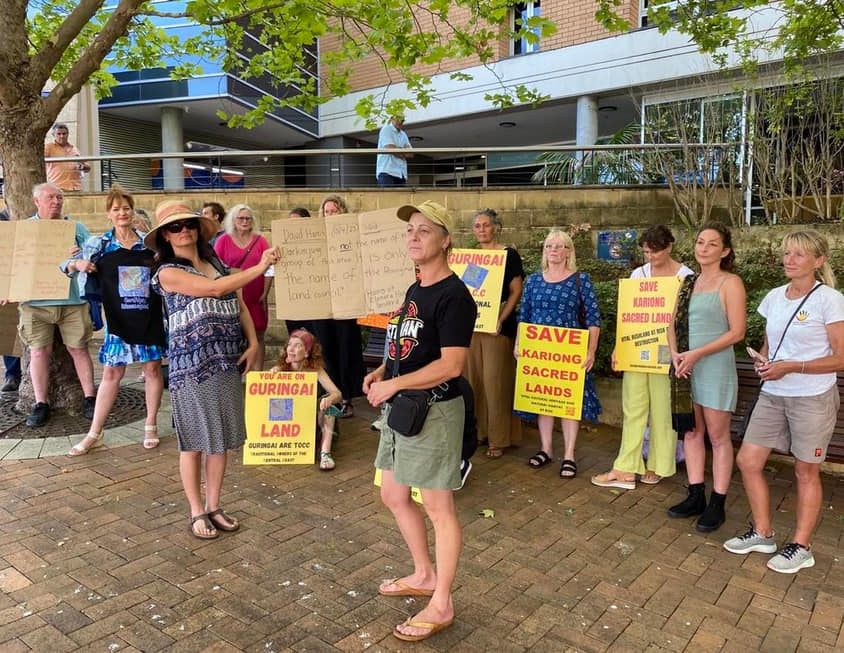
Cassar and CEA have led vocal campaigns against developments at Kariong, Kincumber, and the Northern Beaches, claiming the sites are ecologically fragile, culturally sacred, and spiritually significant (Cooke, 2025e).
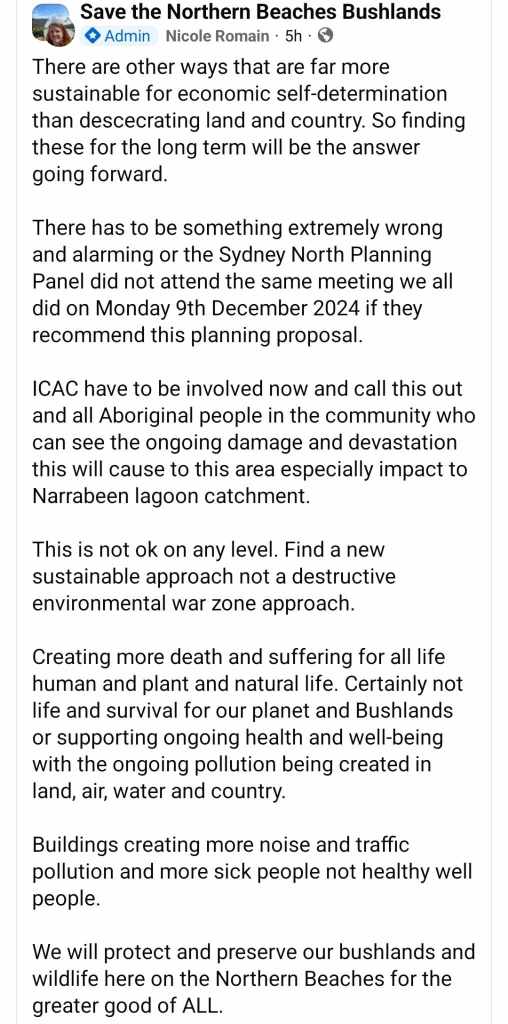
Yet their activism is saturated with settler-conspiritual tropes: Cassar invokes ancestral spirits, earth energies, and “true custodianship,” often implying that non-Aboriginal people, himself included, possess superior spiritual knowledge and moral entitlement to land (Cooke, 2025e).
His rhetoric blends ecological crisis with spiritual warfare, asserting that unseen forces and ancient knowledge are under attack by corrupt institutions (Cooke, 2025e).
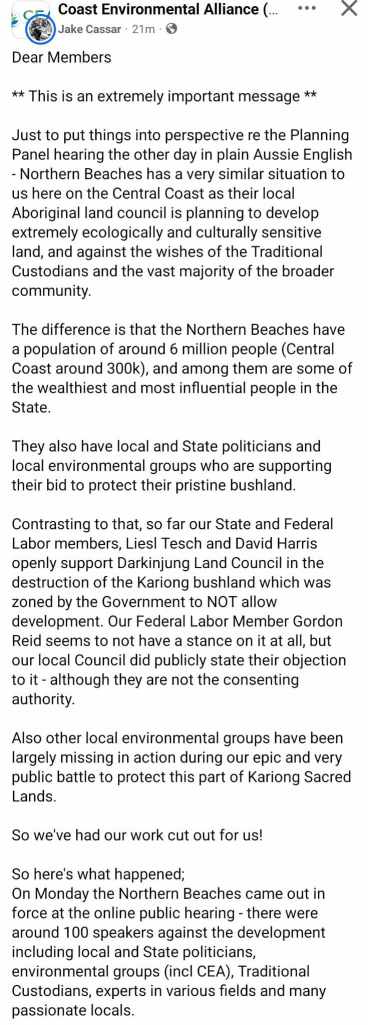
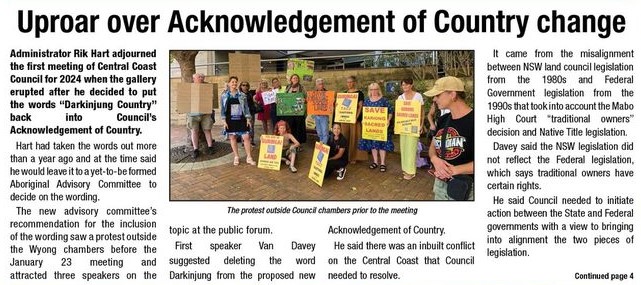
The conflict between CEA/GuriNgai and the Darkinjung Local Aboriginal Land Council (DLALC) over land development at Kariong (Coast Community News, 2020) further illustrates how pseudo-Indigenous groups weaponize environmental and cultural heritage concerns.
Cassar and Tracey Howie (GuriNgai) have opposed DLALC’s proposed housing development, citing the proximity to Kariong Sacred Lands and endangered flora and fauna (Coast Community News, 2020).
However, DLALC Chairperson Matthew West stated that independent investigations found no culturally significant sites on the specific land earmarked for development, and that buffer zones have been implemented where sites were identified (Coast Community News, 2020).
This dynamic creates internal division within the broader Indigenous community and confuses external stakeholders, as fraudulent claims are used to interfere with legitimate Indigenous governance and land management.
Mythmaking and Settler Fantasy
Cults don’t simply disseminate misinformation; they engineer alternative epistemologies (Richardson, 1993). One of the most insidious forms of this engineering is mythmaking, what Lincoln (1989) refers to as the fabrication of “authorizing narratives” that structure belief, identity, and belonging (Richardson, 1993).
Within the GuriNgai and CEA networks, mythmaking functions as a central technique of settler cultural production, blending pseudo-history, spiritualized fantasy, and visual spectacle to displace Aboriginal sovereignty and substitute fabricated traditions (Cooke, 2025d).
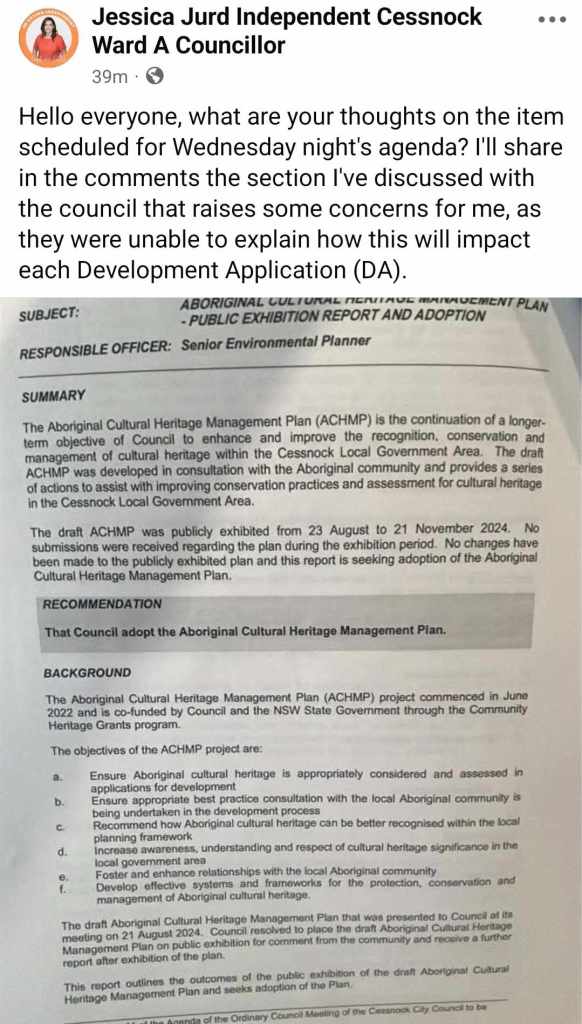
The GuriNgai group has manufactured a cosmology of fictitious clans, such as “Walkaloa” and “Wannangine,” as well as an invented language and mythology with no basis in the historical ethnographic or linguistic records of the Sydney or Central Coast regions (Kwok, 2015; Lissarrague & Syron, 2024).

These narratives are disseminated via ceremonies, land acknowledgements, and spiritual education programs which portray white individuals as descendants of Bungaree or “keepers” of the land’s energy (Cooke, 2025d).
This behavior reproduces what Deloria (1998) called “playing Indian,” wherein settler desires for rootedness and authenticity are projected onto fabricated Aboriginal identities (Deloria, 1998).

Similarly, CEA’s campaigns are structured around ecological mythologies that invert Aboriginal land rights into threats against sacred white relationships to Country (Cooke, 2025e). Jake Cassar’s mythologization of the “Grandmother Tree” and the Kariong Glyphs exemplifies what Barker (2022) describes as prepper-spiritual fusion narratives, where apocalyptic fears and spiritual destiny converge in the landscape (Barker, 2022).

Despite being debunked as modern graffiti (Coltheart, 2011), the Kariong Glyphs are portrayed by CEA as evidence of ancient truths concealed by governments and corrupt land councils (Cooke, 2025e). These myths aren’t marginal; they’re central to the group’s mobilization strategies (Cooke, 2025e).

In the case of the “Grandmother Tree,” a single angophora outside the DLALC’s Kariong development footprint, has been sacralized through ritual performance, livestreamed veneration, and narrative repetition (Cooke, 2025e).
The tree, lacking Aboriginal cultural validation, becomes a cult object, infused with constructed meaning and defended as if sacred law (Cooke, 2025e).
This reflects what Comaroff and Comaroff (2009) identify as the commodification of indigeneity: a process where spiritual narratives are extracted from Aboriginal context and refashioned as symbolic capital for settler projects (Comaroff & Comaroff, 2009).

These mythologies allow for what Watego (2021) calls “fantasies of cultural benevolence.” Settler participants in the GuriNgai and CEA movements frame their roles not as appropriators but as spiritual custodians resisting modernity and corruption (Cooke, 2025d). The actual result, however, is the epistemic erasure of real Aboriginal law, culture, and genealogical authority (Cooke, 2025d). In line with Lifton’s “sacred science,” the myths are upheld with cultic rigidity, with any challenge treated as heresy (Lifton, 1989).

These dynamics are further sustained by conspiracist worldbuilding. The groups consistently claim that Aboriginal land councils are “government puppets,” that Aboriginal opposition is “cancel culture,” and that their own myths are “ancient knowledge” recovered through spiritual revelation (Cooke, 2025e). This closely mirrors the mechanisms of QAnon, as described by Montell (2021), wherein esoteric symbolism, spiritual warfare, and populist anti-institutionalism are fused into a totalizing belief system (Cooke, 2025e).

Within the GuriNgai–CEA alliance, this mythmaking serves dual cultic functions: internally, it binds followers to a sense of enchanted destiny; externally, it justifies political attacks on Aboriginal governance (Cooke, 2025d). The fantasy of ancient custodianship replaces legal recognition, ritual performance substitutes for kinship, and settler grief is reframed as Aboriginal belonging (Cooke, 2025d).

This settler spiritual fantasy is not merely appropriative; it is a deliberate tool of recolonization—one that enacts white possessiveness under the guise of sacred defense (Cooke, 2025d).
The Goolabeen Legacy: Conspiritual Mythmaking and the Recolonisation of Kariong
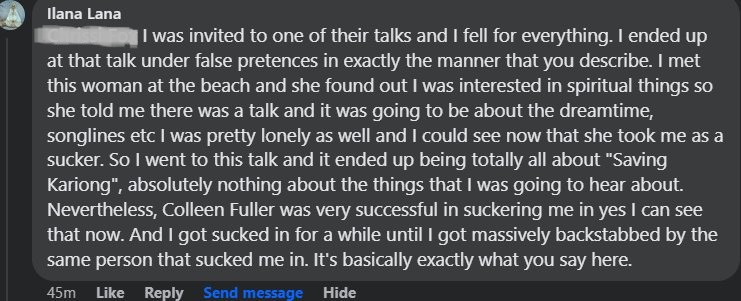
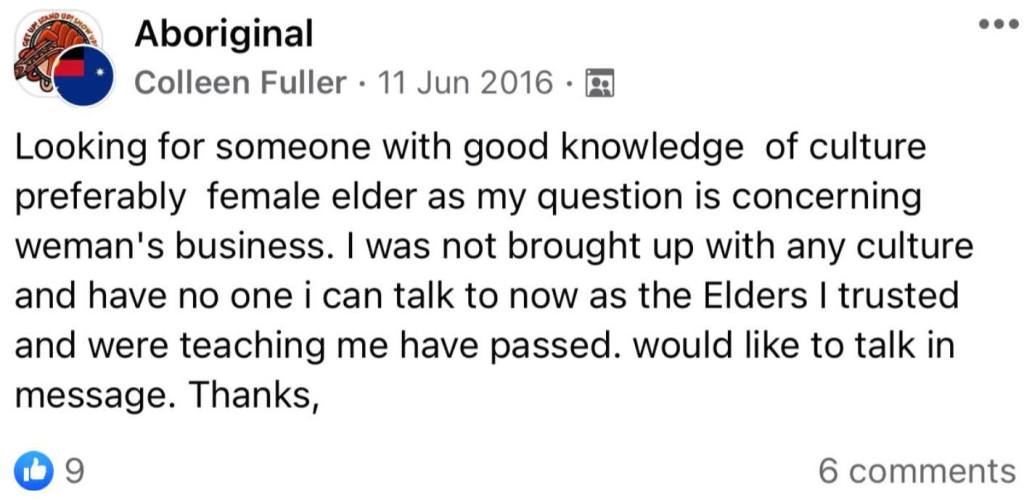
The mythological and conspiratorial foundations of CEA’s campaigns can’t be understood without reference to the legacy of Beverley “Beve” Spiers, also known as “Aunty Goolabeen” (Cooke, 2025f). Spiers, who falsely claimed to be a Darkinooong Elder, was central to the spiritual myth-making that redefined Kariong as a sacred site of Aboriginal–Egyptian contact and cosmic energy (Cooke, 2025f).
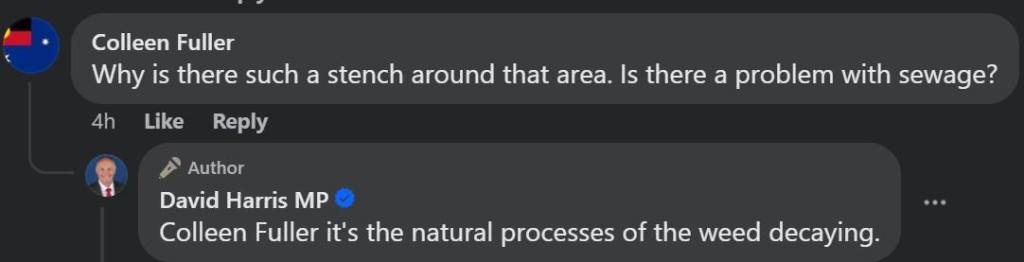
Her narratives, popularized from the late 1980s until her death in 2014, fused pseudoarcheology with fringe spirituality, asserting that Kariong’s so-called glyphs were evidence of interstellar communication and Dreaming portals (Cooke, 2025f). These claims were unverified by any credible Cultural, archaeological, genealogical, or linguistic evidence, yet they proved enormously generative in settler spiritualist circles (Cooke, 2025f).
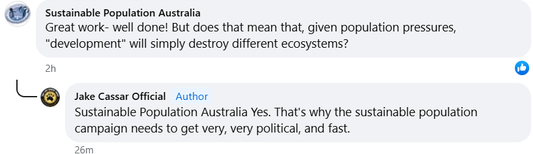
Spiers’s death in 2014 didn’t mark the end of the fraudulent spiritual empire she constructed at Kariong. Rather, her legacy has metastasized, adopted and reframed by a new generation of settler activists and conspiracists who have fused spiritual appropriation, environmental posturing, and far-right ideology into a potent settler-colonial revival (Cooke, 2025f).
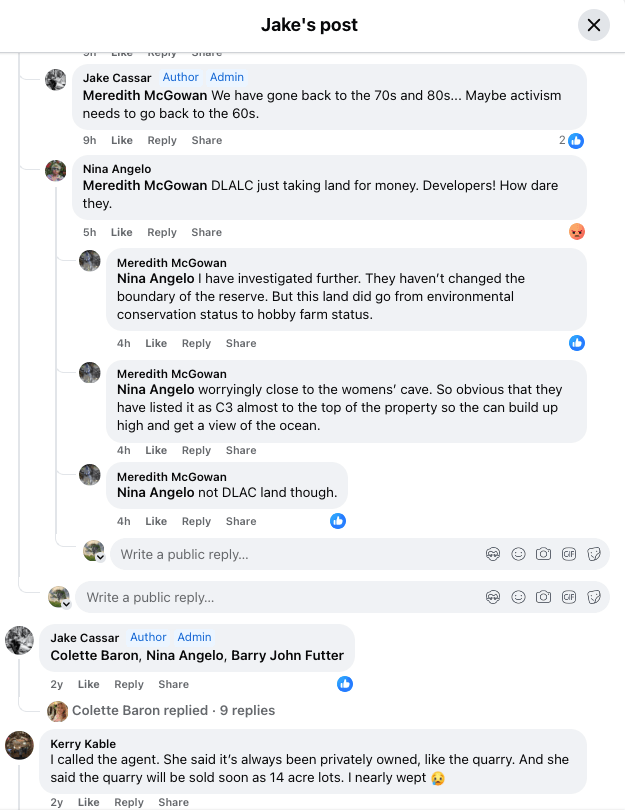
Through myth-making, ritual performance, and public disinformation campaigns, the followers of Goolabeen have not only endured but intensified, transforming Kariong into the epicenter of a broader project of recolonization cloaked in the language of sacred protection and Aboriginal allyship (Cooke, 2025f).

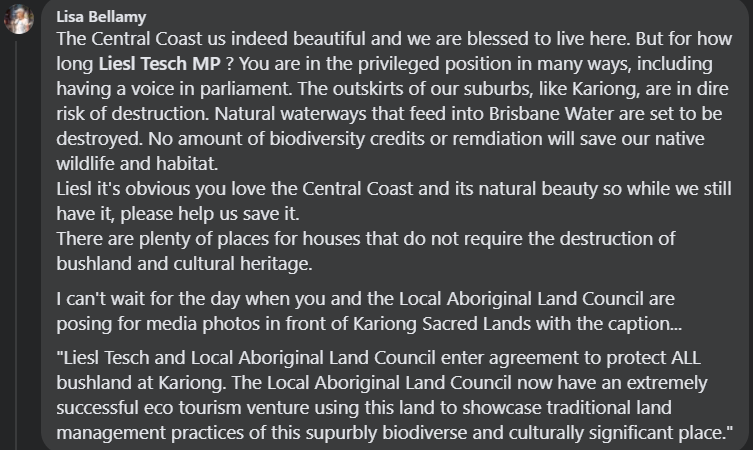
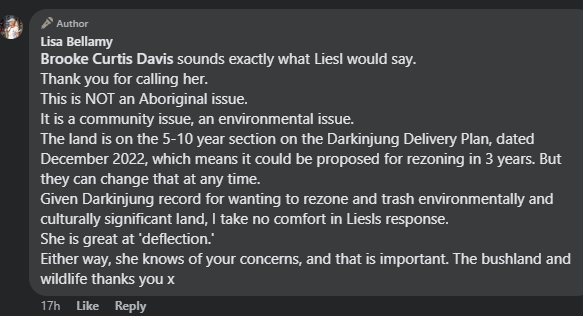
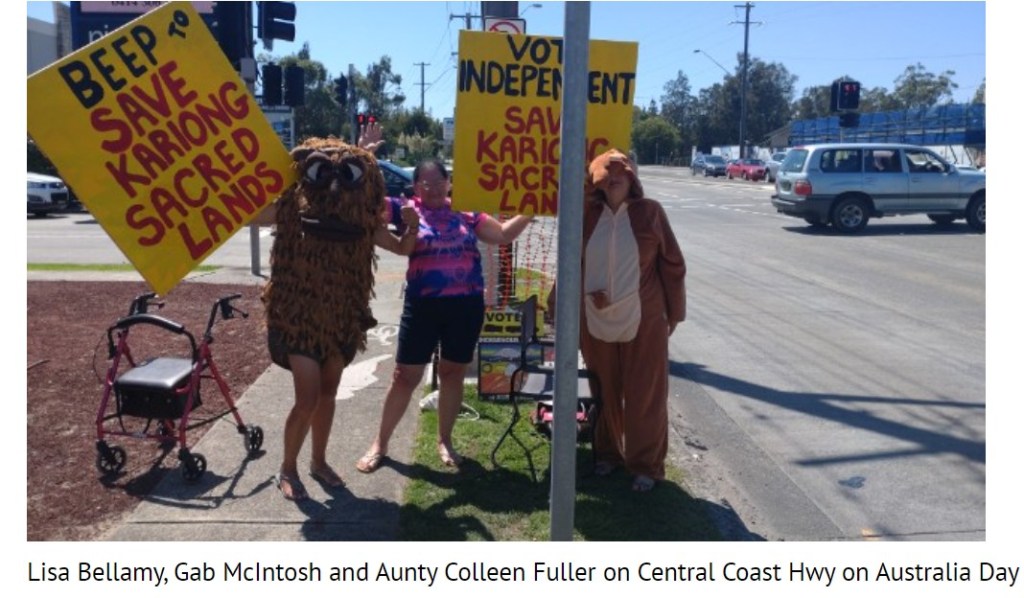
The current network of Goolabeen’s ideological heirs includes figures such as Jake Cassar, Nina Angelo, Lisa Bellamy, Colleen Fuller, and the GuriNgai group: each of whom has played a role in perpetuating falsehoods about Kariong’s history, asserting illegitimate custodianship, and undermining the sovereignty of both culturally and legally recognized Aboriginal people and authority in the region, including the Darkinjung Local Aboriginal Land Council (DLALC) (Cooke, 2025f).

Jake Cassar, in particular, has rebranded himself as an environmental defender, invoking the mystical narratives seeded by Spiers to justify his opposition to DLALC’s development projects (Cooke, 2025f).
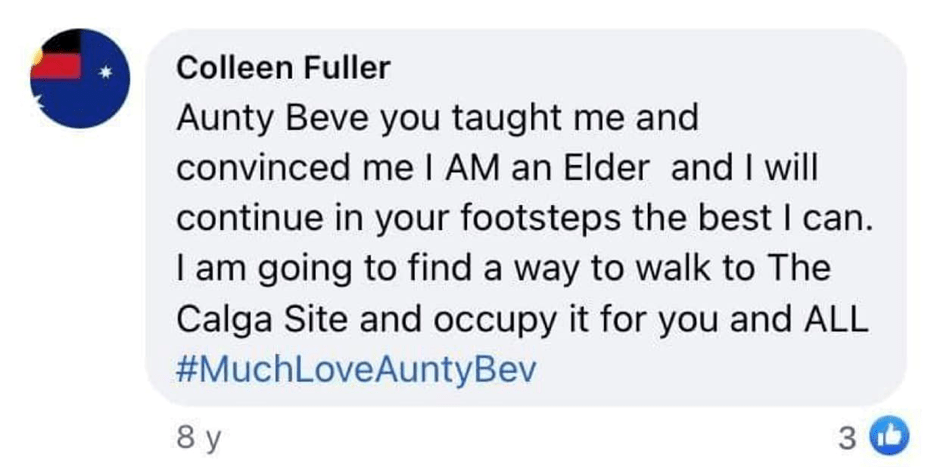
He platforms fraudulent Aboriginal claimants like Beve Spiers, Colleen Fuller, and Tracey Howie, who falsely claims descent from Bungaree and Matora (Cooke, 2025f), and partners with identity fraud groups like the GuriNgai, amplifying their messages through protests, social media campaigns, and coordinated petitions (Cooke, 2025f).
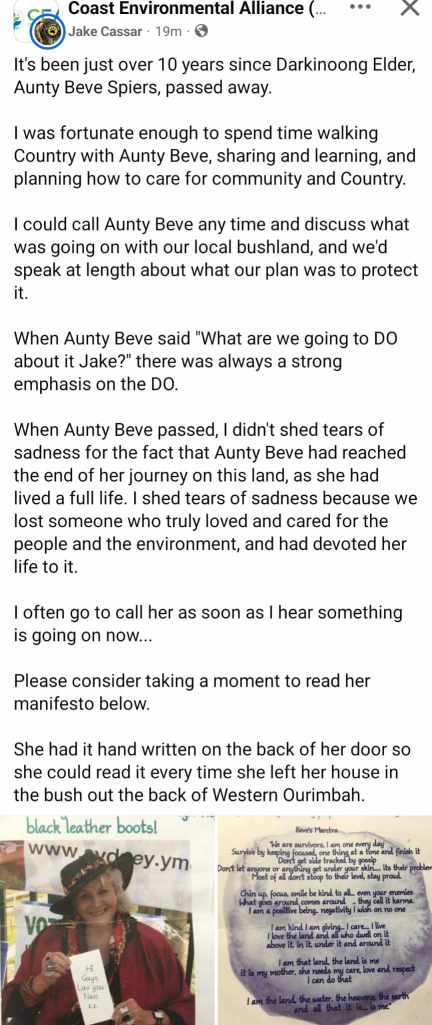
Cassar’s rhetoric of sacred defense conceals a deeper project of spiritualized land possession (Cooke, 2025f). His invocation of “saving Kariong Sacred Lands” is not about protecting legitimate Aboriginal heritage; it’s about preserving a settler fantasy of Aboriginality that serves his own spiritual and political capital (Cooke, 2025f).

Nina Angelo, closely affiliated with both Cassar and the Strongs (Steven and Evan), continues to publicly promote Goolabeen’s spiritual legacy, often speaking of the “wisdom” passed down by Beve Spiers (Cooke, 2025f). Angelo’s version of allyship is laced with appropriation, retelling myths of Egyptian arrivals, star ancestors, and Kariong as a “portal,” all while excluding the voices of real Aboriginal custodians (Cooke, 2025f).
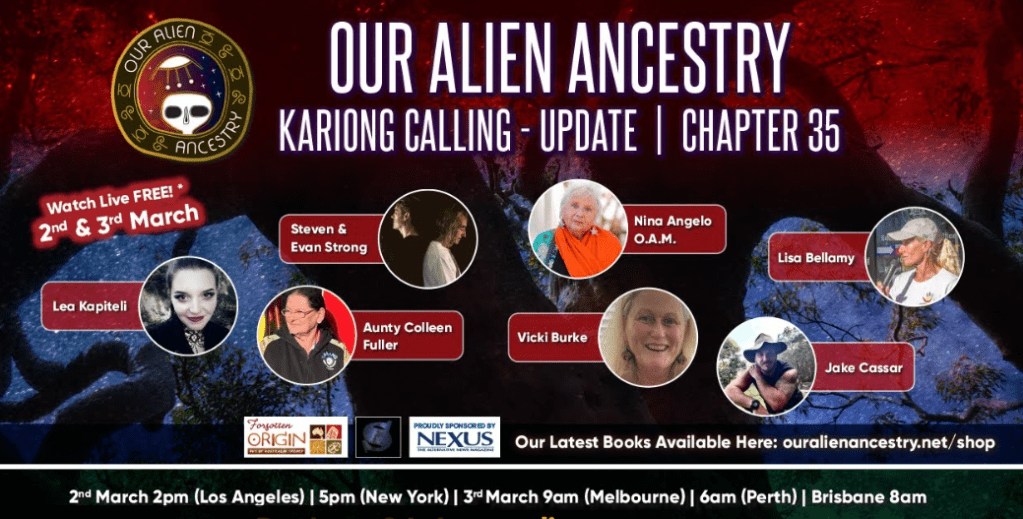
This is a hallmark of what is termed settler conspirituality: the fusion of New Age belief systems, white spiritual supremacy, and anti-government conspiracism under the guise of reconciliation and cultural respect (Cooke, 2025f).

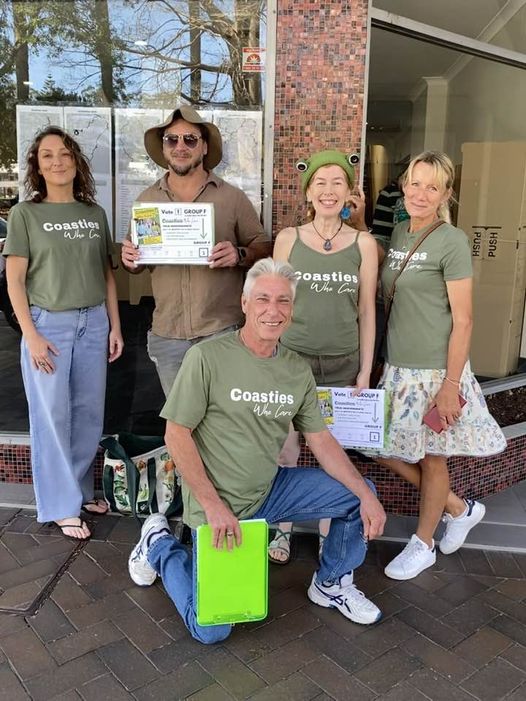
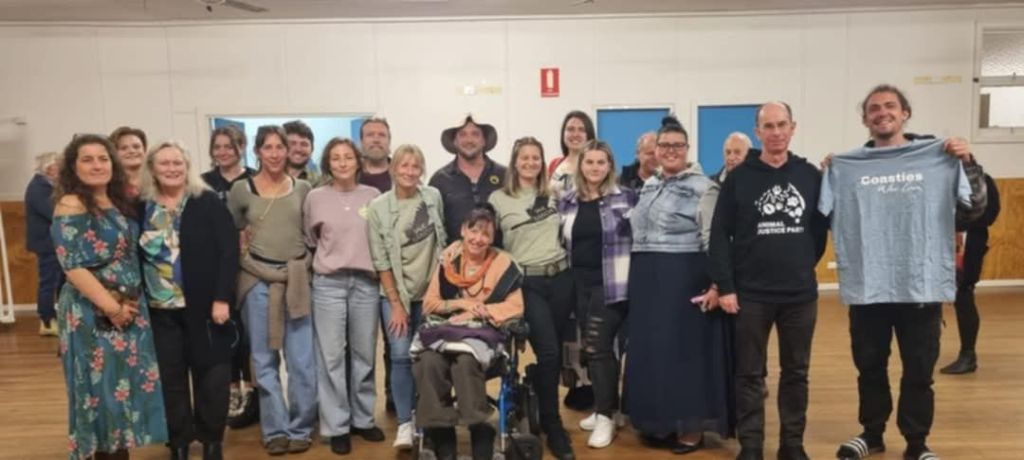
This tendency is institutionalized through CEA’s affiliation with groups like Coasties Who Care, Save Kincumber Wetlands, My Place, and Walkabout Wildlife Sanctuary (Cooke, 2025f). These networks repeatedly promote the idea that DLALC isn’t a “real” Aboriginal organization and that the “true” custodians are those connected to Goolabeen’s followers and/or the GuriNgai identity fraud network (Cooke, 2025f).

The recourse to such figures allows settler environmentalists to assert that their opposition to Aboriginal land development is in fact an act of Aboriginal defense (Cooke, 2025f). This logic is not only disingenuous; it’s structurally violent. It replaces recognized Aboriginal governance with mythic pretenders and confers cultural legitimacy on settler activists through a process of performative Indigeneity (Cooke, 2025f).
The case of Emma French, organizer of the “Walk for Kariong” event, further reveals this strategic re-enactment of Goolabeen’s legacy (Cooke, 2025f). In a 2024 interview, French stated that her group was “just walking” for the wildlife and that it was “not a protest” (Cooke, 2025f). Yet, her affiliations with CEA and her alignment with known frauds such as Colleen Fuller and Paul Craig show that the walk was part of a coordinated campaign to undermine DLALC authority (Cooke, 2025f).

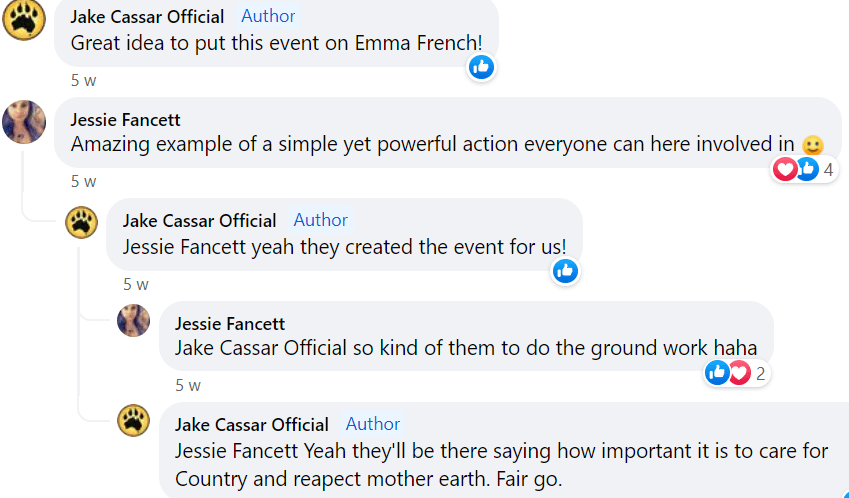
Her statements conflating DLALC with “developers” and her expressed refusal to seek permission from 5-Lands Walk organizers demonstrate an entitlement rooted in settler spiritualism and a refusal to engage with Indigenous governance structures (Cooke, 2025f). As French herself admitted: “Talk to Jake Cassar. He does everything. I just do the graphic design” (Cooke, 2025f). This deference to Cassar’s authority, rather than to Aboriginal people, including DLALC representatives, is symptomatic of the cultic dimensions of the movement (Cooke, 2025f).

As Crabtree et al. (2020) note, settler cults often coalesce around a central figure whose charisma stands in for cultural legitimacy (Crabtree et al., 2020). In the case of CEA and its affiliates, Jake Cassar has come to occupy precisely this role, channeling Goolabeen’s legacy into a new mythology of settler custodianship (Cooke, 2025f).
Lisa Bellamy and the Mythos of Faux Custodianship
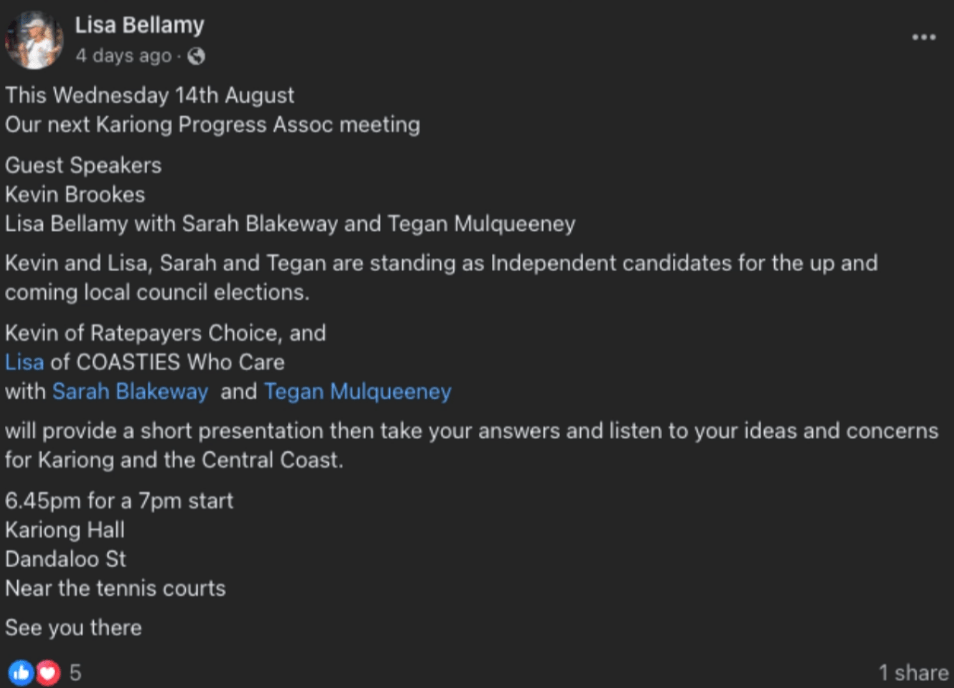
Lisa Bellamy has emerged as a key actor within the interwoven networks of Coast Environmental Alliance (CEA), Save Kariong Sacred Lands, Save Kincumber Wetlands, and Coasties Who Care (Cooke, 2025f). Since undertaking a “bushcraft” course with Jake Cassar, Bellamy has positioned herself at the center of a constellation of settler-led movements opposing Aboriginal land use, all while claiming to support Aboriginal people and cultural values (Cooke, 2025f).
Her public rhetoric, however, reveals a more complex and troubling alignment: one that consistently reinforces false claims to Aboriginal identity, undermines the authority of legitimate Aboriginal landholders, and performs a settler-spiritual alternative to Aboriginal sovereignty (Cooke, 2025f).
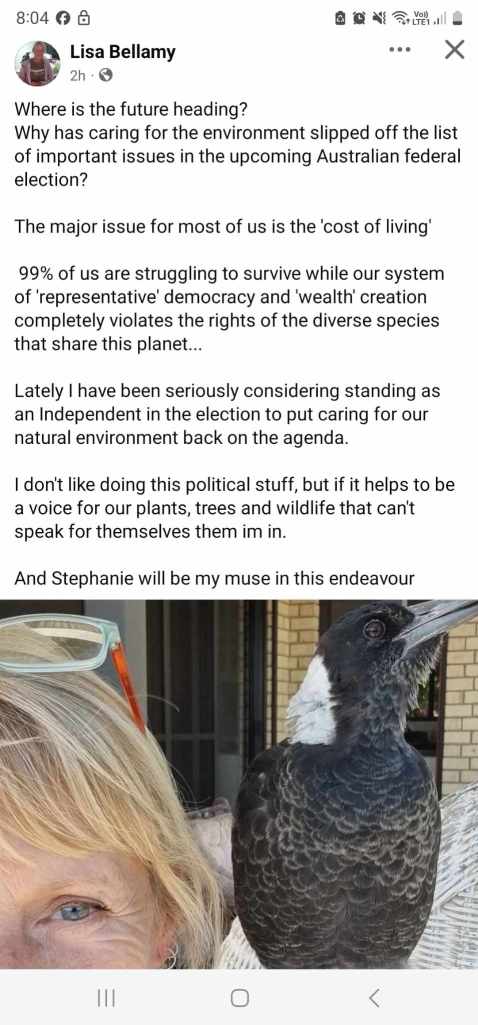
Bellamy’s activism is most visible in protest events and digital campaigns such as the Kariong Sacred Lands rallies, where she speaks alongside known identity frauds including Tracey Howie, Colleen Fuller, and Paul Craig (Cooke, 2025f). Rather than challenging or distancing herself from these individuals, Bellamy platformed and amplified their narratives, directly contributing to the broader disinformation ecosystem surrounding Kariong (Cooke, 2025f). In public speeches, she routinely invokes “sacredness” and “ancestors,” terms that resonate with spiritual authority, but which are deployed without any confirmation of cultural legitimacy or connection to recognized traditional owners (Moreton-Robinson, 2015; Cooke, 2025f).

The racial politics underpinning Bellamy’s activism are subtle but significant (Cooke, 2025f). She promotes herself as a “bridge-builder” between Aboriginal and non-Aboriginal communities, yet consistently aligns with pseudo-Aboriginal figures rejected by both state-recognized and community-recognized Aboriginal groups (Cooke, 2025f).

In doing so, she enacts what Philip Deloria (1998) describes as the “performance of Indianness,” where settler subjects assume the symbolic trappings of Aboriginal identity to claim moral authority and territorial legitimacy (Deloria, 1998; Cooke, 2025f). Bellamy’s use of the GuriNgai identity, which is genealogically and historically false, further entrenches the settler mimicry at play within CEA’s networks (Cooke, 2025f).

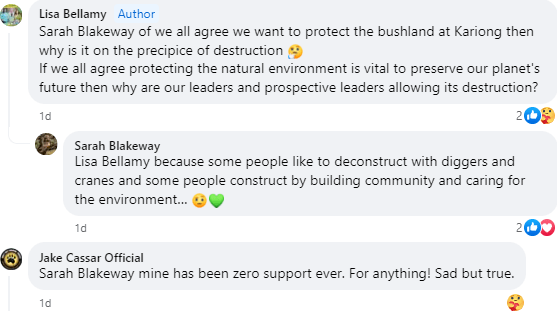
This mimicry has material consequences (Cooke, 2025f). As seen in her leadership within the Save Kincumber Wetlands campaign, Bellamy has worked to frame the Darkinjung Local Aboriginal Land Council (DLALC) as a “developer” rather than a community-controlled Aboriginal entity (Cooke, 2025f).

Through emotive language, spiritual aesthetics, and carefully curated protest images, Bellamy helped invert the narrative: DLALC became the threat, and settler-activist groups became the defenders of Country (Cooke, 2025f).
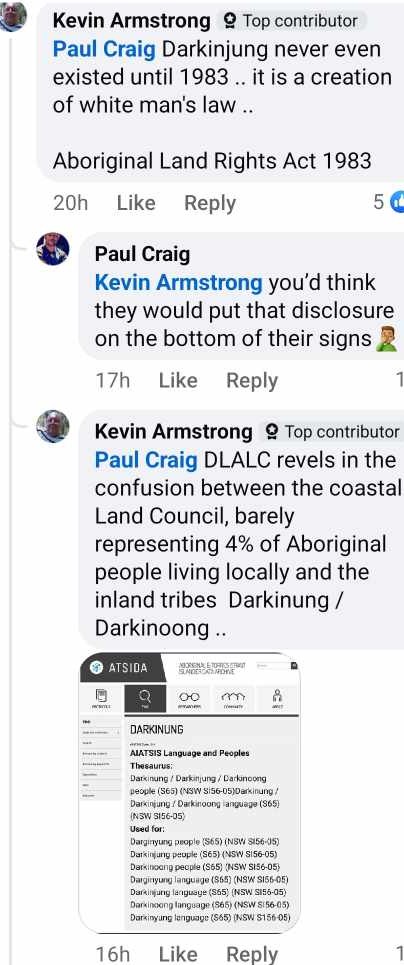
This discursive shift isn’t simply rhetorical. It undermines the legislative intent of the Aboriginal Land Rights Act 1983 (NSW), which affirms the rights of Aboriginal people to manage and develop land returned under land rights claims (NSW Aboriginal Land Council, 2022; Cooke, 2025f).

By presenting settler-led environmentalist resistance as Aboriginal-led cultural protection, Bellamy and her network obscure the actual structures of Aboriginal land governance and replace them with a spiritualized settler authority (Cooke, 2025f).

Bellamy’s activity must also be read in the context of her affiliation with the Indigenous-Aboriginal Party of Australia, a minor political party that has been publicly criticized for enabling fraudulent claims to Aboriginal identity and for advancing anti-Land Council rhetoric (Cooke, 2023). Her association with the party’s founder, Uncle Owen Whyman, and her public endorsements of non-Aboriginal activists claiming cultural status further embed her within a political strategy of cultural substitution (Cooke, 2025f).

This tactic mirrors what Aileen Moreton-Robinson (2015) describes as the settler’s desire to possess and represent Aboriginality, not in service of solidarity, but to displace the authority of those who are entitled to speak for Country (Moreton-Robinson, 2015; Cooke, 2025f).
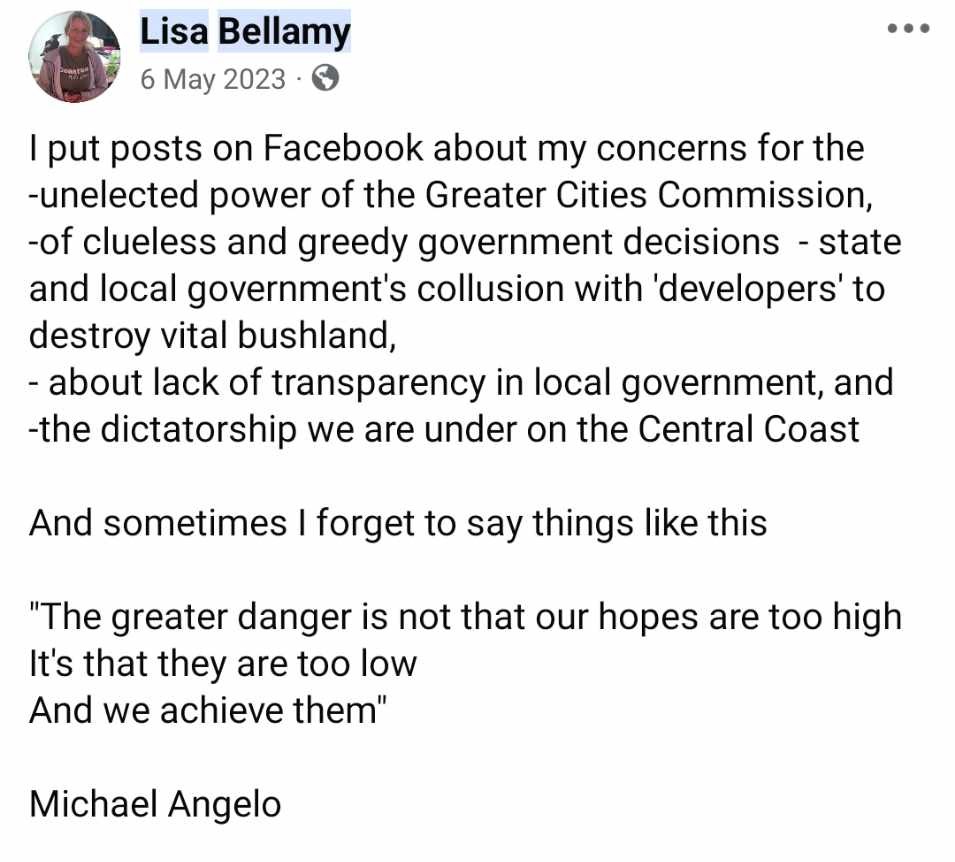
The cultic dynamics of Bellamy’s activism are also evident in her continued alignment with Jake Cassar and the charismatic narrative control he exerts over the CEA community (Cooke, 2025f).

Bellamy’s social media and campaign materials often echo Cassar’s language, promoting a worldview where spiritual warfare, environmental urgency, and ancestral duty converge in a metaphysical struggle between “truth-tellers” and “traitors” (Cooke, 2025f). This Manichaean logic is common in conspiritual movements (Asprem & Dyrendal, 2015; Cooke, 2025f). It positions Bellamy and her allies not just as activists, but as vessels of sacred mission, imbuing their settler resistance with the aura of divine mandate (Cooke, 2025f).
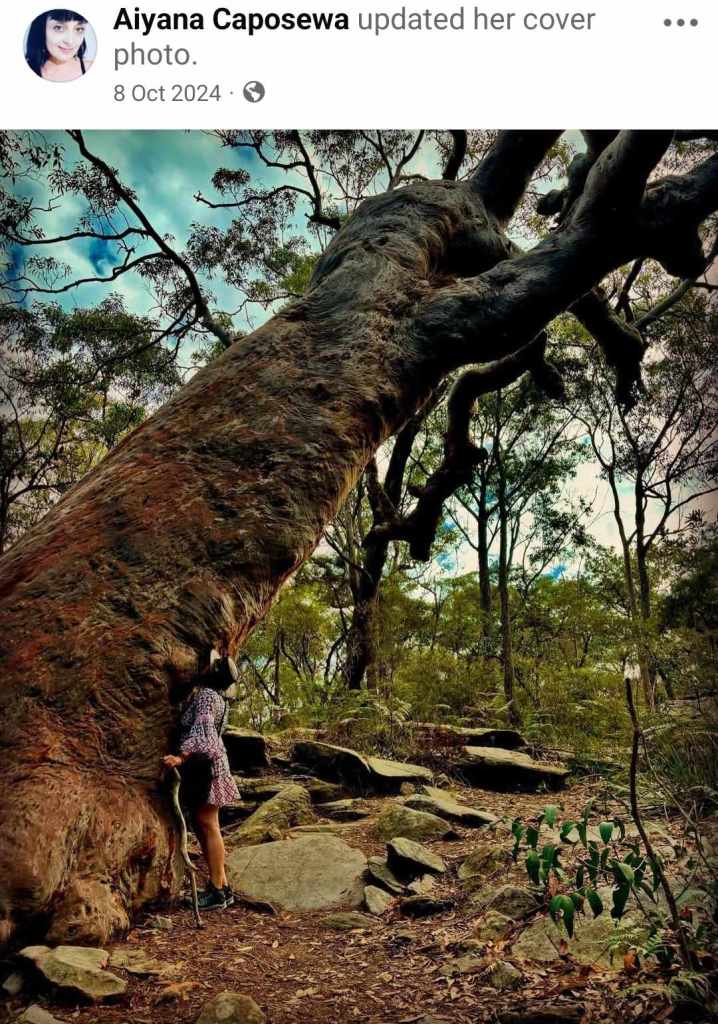
Such framing also obscures the violence implicit in their actions (Cooke, 2025f). Bellamy has publicly encouraged people to oppose DLALC projects without engaging Aboriginal decision-makers, participating in misinformation campaigns that have incited community division and cultural harm (Cooke, 2025f).
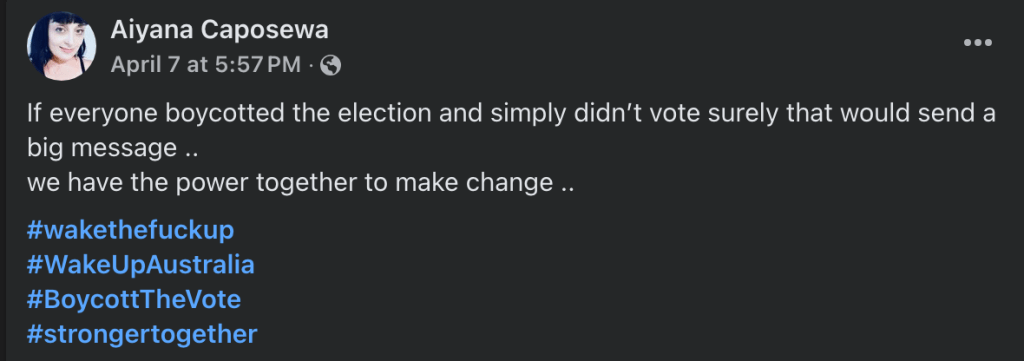
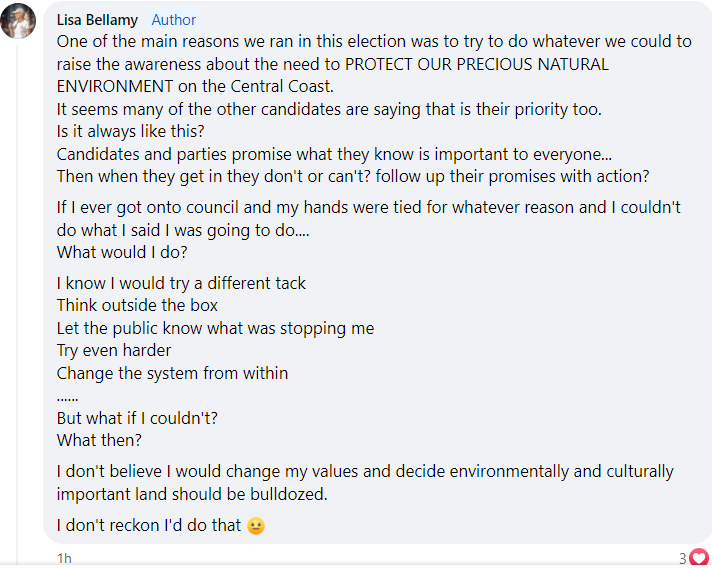
Her claim to stand “for the community” becomes a hollow gesture when examined alongside her repeated endorsements of unverified or disproven identity claimants, her opposition to Aboriginal-led development, and her willingness to frame herself as a protector of Country, and as a ‘custodian’ without any recognized right to do so (Cooke, 2025f).
Identity Fraud, Settler Spiritualism, and the GuriNgai Cult of Kariong
The GuriNgai group, prominently supported by Coast Environmental Alliance (CEA), constitutes a central node in the performance of false Aboriginal identity on the Central Coast (Cooke, 2025f). This group, led by non-Aboriginal individuals such as Tracey Howie, Laurie Bimson, Neil Evers, Colleen Fuller, and others, asserts a fraudulent connection to a so-called “GuriNgai” or “Wannagine” people (Cooke, 2025f). These claims have no verifiable genealogical, anthropological, or linguistic foundation. In fact, they have been repeatedly discredited by historians, linguists, Aboriginal community leaders, and the Aboriginal Land Rights network (Cooke, 2025f; Kwok, 2015; Lissarrague & Syron, 2024).

CEA’s decision to platform these individuals isn’t incidental. It’s a strategic act of cultural substitution (Cooke, 2025f). Across numerous protests, livestreams, and media campaigns, figures like Jake Cassar, Lisa Bellamy, and Vicki Burke amplify the voices of false claimants while systematically excluding recognized Aboriginal leaders such as representatives of the Darkinjung Local Aboriginal Land Council (DLALC) (Cooke, 2025f). This inversion isn’t simply a matter of representation. It actively displaces Aboriginal authority, erasing the governance structures enshrined in the Aboriginal Land Rights Act 1983 (NSW) and supplanting them with settler-authored alternatives (Cooke, 2025f).

The cultic dimensions of the GuriNgai movement are particularly evident in the shared mythology, initiatory narratives, and charismatic origin stories surrounding figures such as “Goolabeen” (Beve Spiers) (Cooke, 2025f). Spiers, a non-Aboriginal woman, mentored Tracey Howie and Evan Strong in the early 2000s, initiating them into what was framed as Aboriginal spiritual knowledge (Cooke, 2025f).

These claims, recorded in livestreams and public videos as recently as November 2023, form the pseudo-spiritual bedrock of the GuriNgai cult (Cooke, 2025f). Men like Evan and Steven Strong now describe themselves as “initiated” into Aboriginality, claiming esoteric knowledge received from Spiers and projecting themselves as guardians of sacred lore (Cooke, 2025f). This is a textbook case of settler spiritualism masquerading as Indigenous tradition (Cooke, 2025f).

The racism embedded in these appropriations is rarely overt, but is structurally entrenched (Cooke, 2025f). The logic of white spiritual superiority underpins the cult’s internal narrative: that they, as spiritually “awakened” non-Aboriginals, are better equipped than actual Aboriginal people to protect Country, hold ceremony, or speak for ancestors (Cooke, 2025f).

This is a neo-colonial fantasy, rooted in what Deloria (1998) describes as the desire to replace the Indigenous subject with the settler subject bearing Indigenous traits (Deloria, 1998; Cooke, 2025f).

Within this schema, authentic Aboriginal voices are cast as impediments, too compromised, too modern, or too “corporatised”, to be trusted with custodianship (Cooke, 2025f). Meanwhile, the settler-spiritual group presents itself as both ancestral and alternative, a fusion of environmental activism, conspiracy spirituality, and mythopoetic mimicry (Cooke, 2025f).

The November 2023 livestream involving Bellamy, Fuller, and the Strongs presents a vivid illustration (Cooke, 2025f). Across a series of recorded broadcasts, the group makes sweeping and often incomprehensible claims about “original people,” “intergalactic ancestors,” “cosmic law,” and “quantum Aboriginality” (Cooke, 2025f).
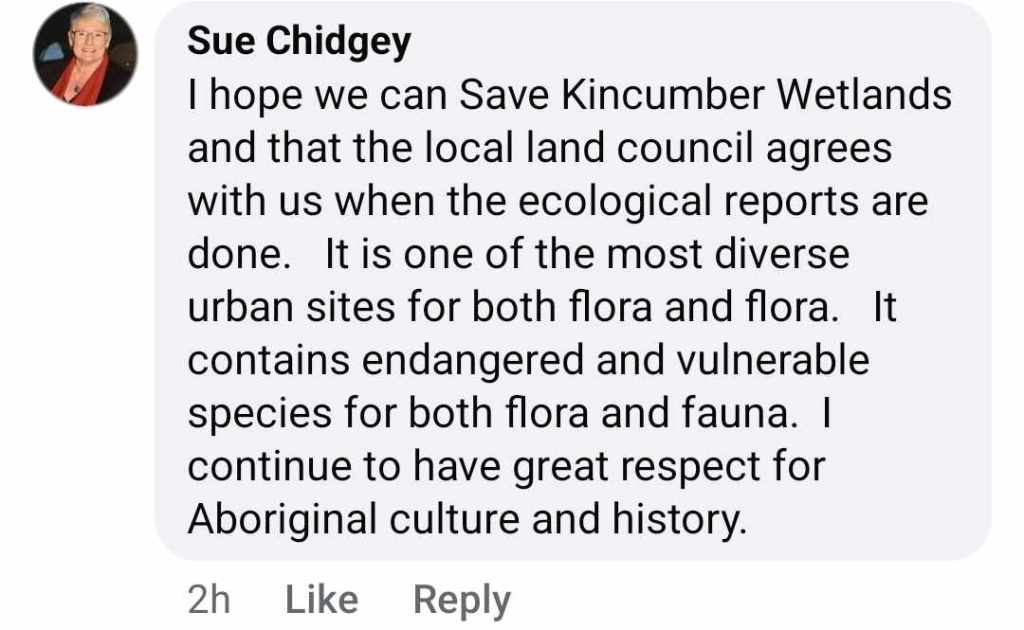
These discourses draw heavily on New Age tropes and sovereign citizen language, blending pseudo-science with racial mysticism (Cooke, 2025f). Such rhetoric is not only culturally harmful; it’s politically violent (Cooke, 2025f). It undermines the authority of Aboriginal people by introducing a counterfeit cultural paradigm, one that cannot be contested through legal or genealogical means because it is constructed as metaphysical truth (Cooke, 2025f).
The social consequences of these actions are real (Cooke, 2025f). As reported in November 2023, sacred Aboriginal sites in the Kariong area were vandalized shortly after several livestreams encouraged public trespass and unauthorized visitation to sensitive sites (ABC News, 2023; Cooke, 2025f). Individuals affiliated with the GuriNgai group have been documented encouraging their followers to “go do what you want” on Country, dismissing Aboriginal protocols, and defying management regimes put in place by Aboriginal corporations (Cooke, 2025f). These behaviors reflect not only arrogance but also a denial of the rights of Aboriginal communities to control access to their land and culture (Cooke, 2025f).

CEA’s amplification of these figures, through interviews, protest footage, social media tagging, and campaign alignment, constitutes a digital infrastructure of disinformation and cultural harm (Cooke, 2025f). By legitimizing the GuriNgai cult, CEA facilitates the broader project of Indigenous identity fraud, contributing to a post-truth political economy in which false claimants gain access to media, funding, and social influence at the expense of genuine Aboriginal people (Cooke, 2025f).
Save Kincumber Wetlands: A Case Study in Manufactured Crisis
The “Saving Kariong Sacred Lands” campaign, orchestrated by Jake Cassar and Lisa Bellamy of Coast Environmental Alliance (CEA), exemplifies a settler-conspiritualist movement deeply entangled with pseudo-Indigenous claims and white environmental populism (Cooke, 2025g).

These campaigns operate not as legitimate ecological protests. Rather, they function as ideological offensives against Aboriginal self-determination and land rights (Cooke, 2025g). Drawing upon disingenuous faux-environmental narratives, they frame Aboriginal governance as incompatible with imagined localized spiritual ecologies and community values (Cooke, 2025g).

The defining feature of the Save Kincumber Wetlands campaign is its pre-emptive hysteria (Cooke, 2025g). As of June 2025, there is no formal development proposal before council for the site owned by Darkinjung Local Aboriginal Land Council (DLALC) (Cooke, 2025g). No verified environmental risk has been formally identified, nor have sacred sites been declared endangered by qualified Aboriginal authorities (Cooke, 2025g).

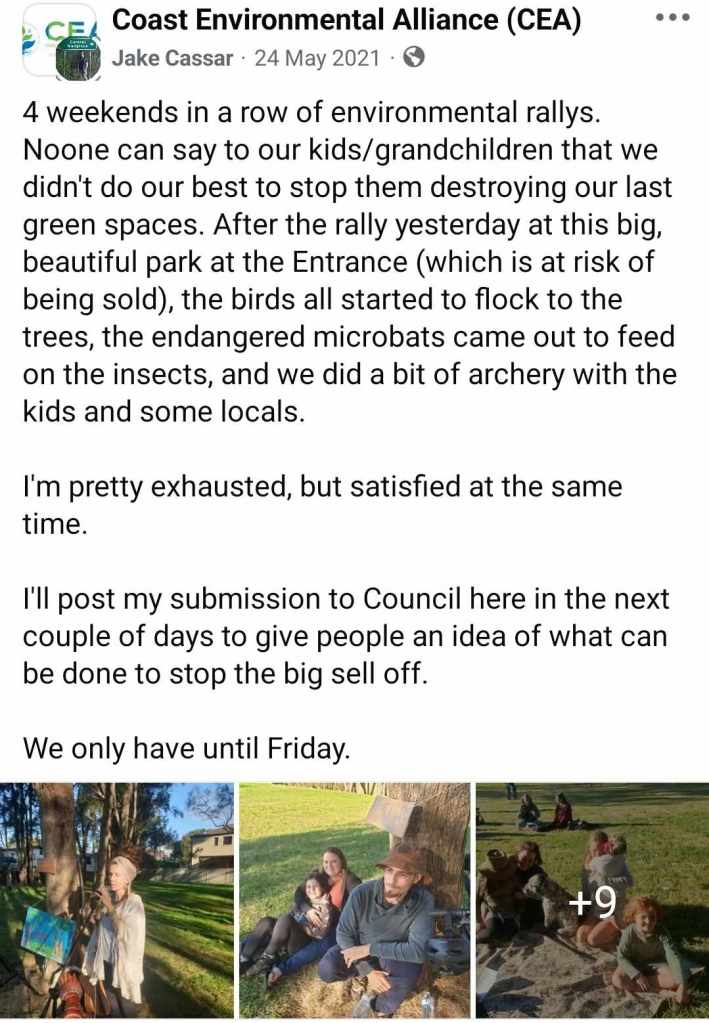
Despite this, CEA-aligned activists have staged rallies, marches, published alarming press releases, and launched social media campaigns denouncing an entirely imagined ecological apocalypse (Cooke, 2025g). This fiction has been enthusiastically propagated by Coast Community News (CCN), which has published multiple articles presenting the protest as an urgent response to imminent destruction, amplifying the perception of a crisis without confirming whether a development proposal even exists (Coast Community News, 2025b; Cooke, 2025g).

Online platforms such as the Coast Environmental Alliance Facebook group and Save Kincumber Wetlands amplify these narratives with hyperbolic imagery, references to threatened species, and unfounded accusations against DLALC (Cooke, 2025g). AllEvents listings for CEA rallies and CCN’s uncritical coverage further normalize the protest campaign as legitimate, despite the absence of environmental assessments or consultation, including with DLALC (Cooke, 2025g).

In none of these reports has a DLALC representative been given voice, nor has any journalist acknowledged the absence of a formal application (Cooke, 2025g). Instead, the entire campaign hinges on rumor, repetition, and racialized distrust: a settler fantasy in which Aboriginal people are refigured as desecrators of land, and settler activists as its sacred protectors (Cooke, 2025g).
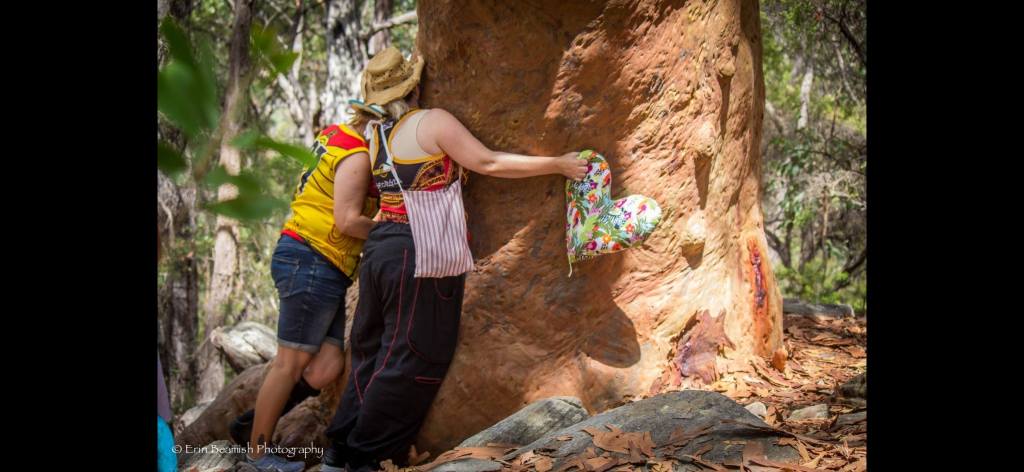
This pattern isn’t new. The Save Kincumber Wetlands campaign closely mirrors earlier CEA-aligned protests, including those at Bambara (Kariong Sacred Lands) and Lizard Rock (Patyegarang) (Cooke, 2025g). In each case, false Aboriginal identity claims, eco-spiritual aesthetics, and settler-fronted sacredness are deployed to block Aboriginal land council development proposals (Cooke, 2025g).
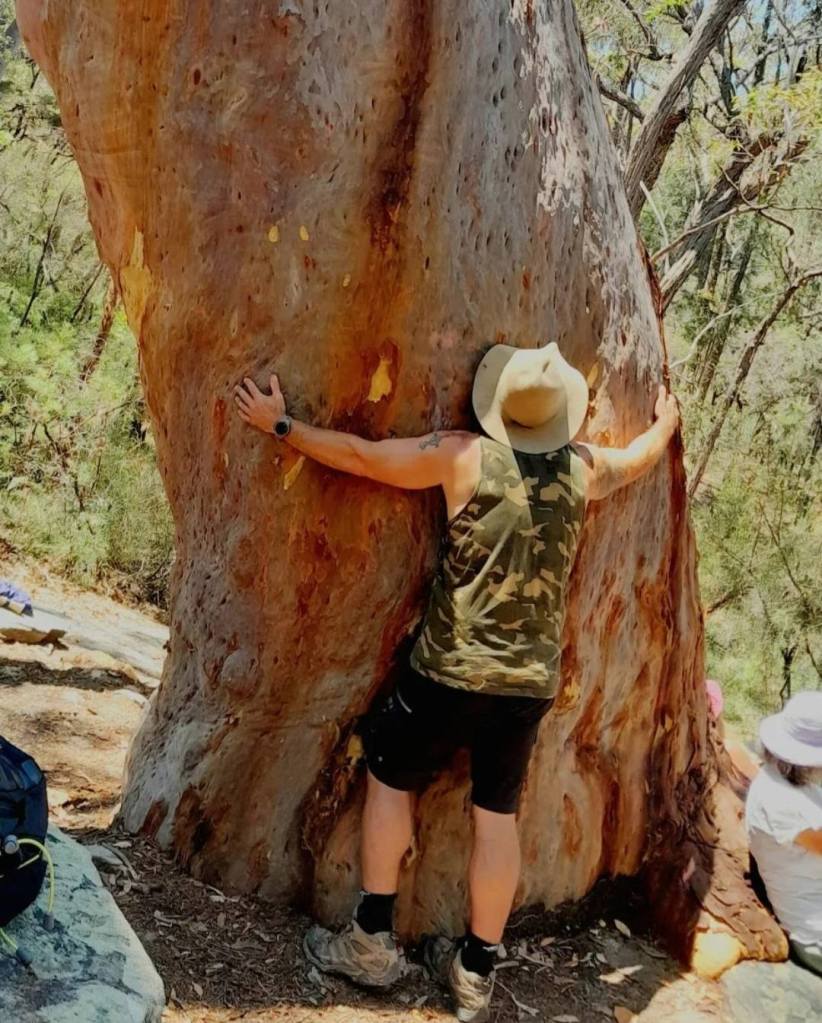
At Kariong, protesters invoked the debunked Gosford Glyphs and aligned with pseudoarcheologists and known far-right figures (Cooke, 2025g). At Lizard Rock, the GuriNgai faction was again mobilized to oppose the legitimate development of land owned by the Metropolitan Local Aboriginal Land Council (Cooke, 2025g). These events are not isolated; they’re structurally coordinated campaigns of settler reenchantment and white possessive environmentalism (Moreton-Robinson, 2015; Cooke, 2025g).

When viewed collectively, these campaigns form a pattern of counter-Aboriginal activism masquerading as ecological care (Cooke, 2025g). CEA and its allies routinely appropriate Indigenous language, symbolism, and ritual to elevate their authority while denying Aboriginal people the right to act as custodians of our own land (Cooke, 2025g).

They create a simulacrum of traditional protest, complete with fake Elders, faux ceremonies, and manipulated heritage narratives (Cooke, 2025g).

In doing so, they not only derail vital housing and economic initiatives for Aboriginal people but delegitimize the very idea of Aboriginal environmental and cultural governance (Cooke, 2025g).
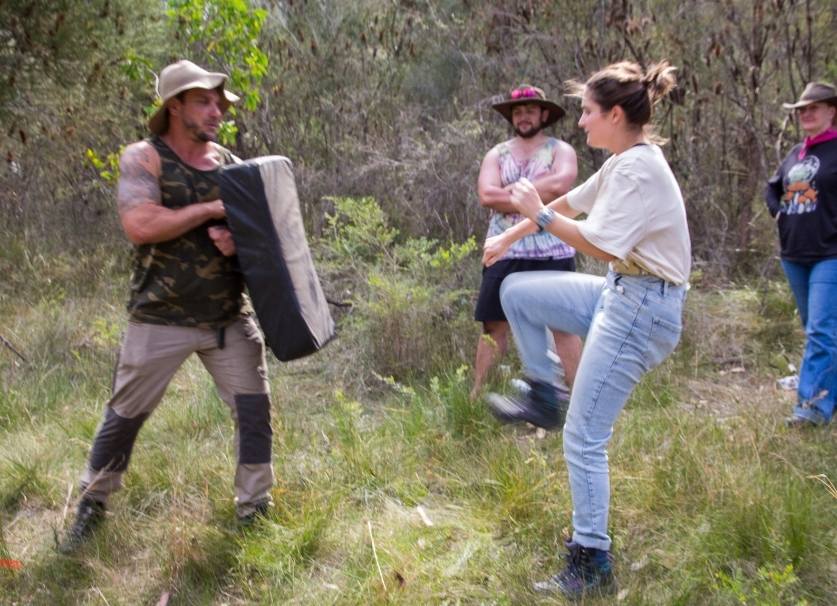
The Kincumber protest is simply the latest expression of this trend. Its broader significance lies in how it connects to a settler network of cultural imposture, environmental theatre, and conspiracist opposition to Aboriginal sovereignty (Cooke, 2025g). The tactics, manufacturing controversy, dominating media narratives, invoking fantasy spiritual sites, are replicated across the region (Cooke, 2025g).

Understanding Save Kincumber Wetlands requires understanding the broader CEA movement: not as a grassroots conservation network, but as a settler cult that weaponizes the environment to erase Aboriginal land rights (Cooke, 2025g).
Apocalyptic Affect, QAnon Logic, and the Storm as Settler Revelation
The term “The Storm,” central to QAnon’s apocalyptic cosmology, functions as a floating signifier of catastrophe and redemption (Cooke, 2025e). It evokes spiritual warfare, systemic collapse, and the coming of moral reckoning (Cooke, 2025e).
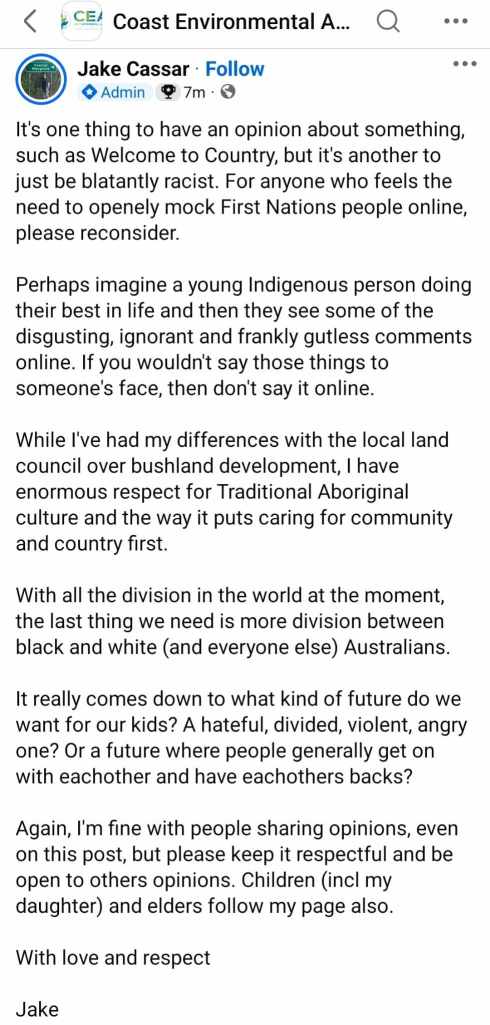
While not explicitly publicly invoked by Jake Cassar, its thematic resonance permeates the rhetoric of Coast Environmental Alliance (CEA) (Cooke, 2025e). Cassar frequently speaks of hidden forces, sacred truths under siege, and the need for spiritual warriors to rise up against corruption, classic apocalyptic motifs drawn from conspiratorial and millenarian traditions (Cooke, 2025e).

Cassar’s messaging draws heavily on QAnon-adjacent tropes: elite betrayal, covert knowledge, and spiritual battle (Cooke, 2025e). His framing of DLALC developments as “cultural crimes” committed by spiritually illegitimate authorities echoes QAnon’s portrayal of mainstream institutions as morally compromised (Cooke, 2025e). Through Facebook posts, video content, and live speeches, Cassar offers his followers a redemptive narrative: they are the chosen few, awakened to the truth of sacred land under threat, called to act before it is too late (Cooke, 2025e).

This narrative generates what scholars term “apocalyptic affect”, an emotional register comprising dread, transcendence, grief, and resolve (Cooke, 2025e). Followers are not only fearful of ecological collapse, but spiritually energized by the opportunity to participate in a mythic battle (Cooke, 2025e). Cassar’s rhetoric converts anxiety into a moral mission, positioning CEA as both seer and savior (Cooke, 2025e).

These dynamics mirror the logic of QAnon, in which secrecy is spiritualized and revelation is personal (Cooke, 2025e). Believers feel that they alone perceive the hidden connections that expose the enemy’s schemes (Cooke, 2025e). For Cassar’s audience, the DLALC isn’t simply a land council; it’s a symbol of a larger betrayal of ancestral law and natural truth (Cooke, 2025e). Settler resistance is thus sanctified as a moral obligation (Cooke, 2025e).

Importantly, the affective structure of CEA’s movement resists empirical challenge (Cooke, 2025e). As in QAnon, dissenters are cast as either naïve or complicit (Cooke, 2025e). Counter-evidence is dismissed as propaganda (Cooke, 2025e).
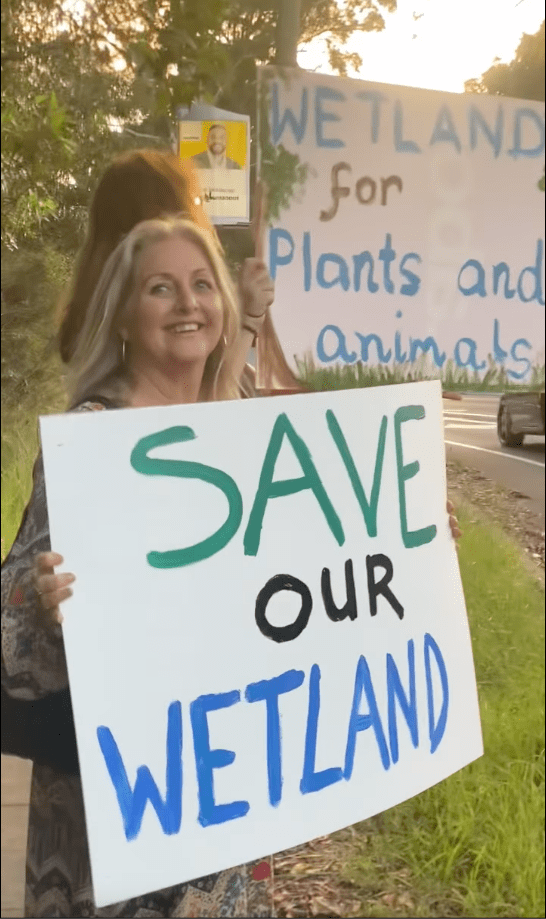
The emotional architecture of the movement insulates it from critique while deepening participants’ sense of righteousness and urgency (Cooke, 2025e). Through this emotional and epistemological mechanism, settler conspirituality reverses the meaning of sovereignty (Cooke, 2025e).

Aboriginal-led development becomes desecration. Settler-led activism becomes sacred defense (Cooke, 2025e). The storm, in this framework, isn’t only a metaphor for collapse. It’s a revelation of settler redemption, a ritualized drama of rebirth through spiritual struggle (Cooke, 2025e).
Settler Identity, Masculinity, and Mythmaking
Jake Cassar’s appeal is inseparable from the cultural coding of rugged, outdoorsy masculinity and settler nationalism (Cooke, 2025e). His image evokes a heroic archetype: bushman, warrior, spiritual guide, fused with frontier aesthetics and survivalist ethos (Cooke, 2025e). This persona plays into long-standing tropes of white Australian identity rooted in land mastery, physical resilience, and masculine independence (Cochrane et al., 2024; Cooke, 2025e).

In the world of settler conspirituality, masculinity is moralized (Cooke, 2025e). Cassar’s survivalism is more than an aesthetic; it’s cast as a sacred vocation (Cooke, 2025e). His bushcraft skills are imbued with spiritual meaning, presented as forms of ancestral remembrance and protection of sacred land (Cooke, 2025e). He becomes a hybrid figure, part sage, part warrior, defending the Earth against desecration (Cooke, 2025e). This fusion reflects what cultural theorists describe as “apocalyptic manhood,” in which existential threat justifies hyper-masculine heroism (Renner et al., 2023; Cooke, 2025e).

These performances are deeply political (Cooke, 2025e). Cassar’s masculinity is tied to settler narratives of rightful belonging and protective authority (Cooke, 2025e). He asserts that he is defending not just nature, but a spiritual order embedded in the Australian bush (Cooke, 2025e). This masculine settler spirituality mimics Aboriginal concepts like caring for Country, but displaces them by asserting white sovereignty in spiritual form (Cooke, 2025e). It enacts what Wolfe (2006) termed the logic of elimination, not simply by physical violence, but by symbolic supersession (Wolfe, 2006; Cooke, 2025e).

Cassar’s mythmaking also relies on the production of epic storylines: quests, sacred missions, betrayals, and awakenings (Cooke, 2025e). His social media content is saturated with mythic imagery; ancient portals, warrior protectors, cosmic wisdom, and hidden enemies (Cooke, 2025e). These narratives cultivate a mythopoeic atmosphere in which followers are not merely activists, but spiritual warriors (Cooke, 2025e). The stakes are cosmic, and so are the rewards (Cooke, 2025e).
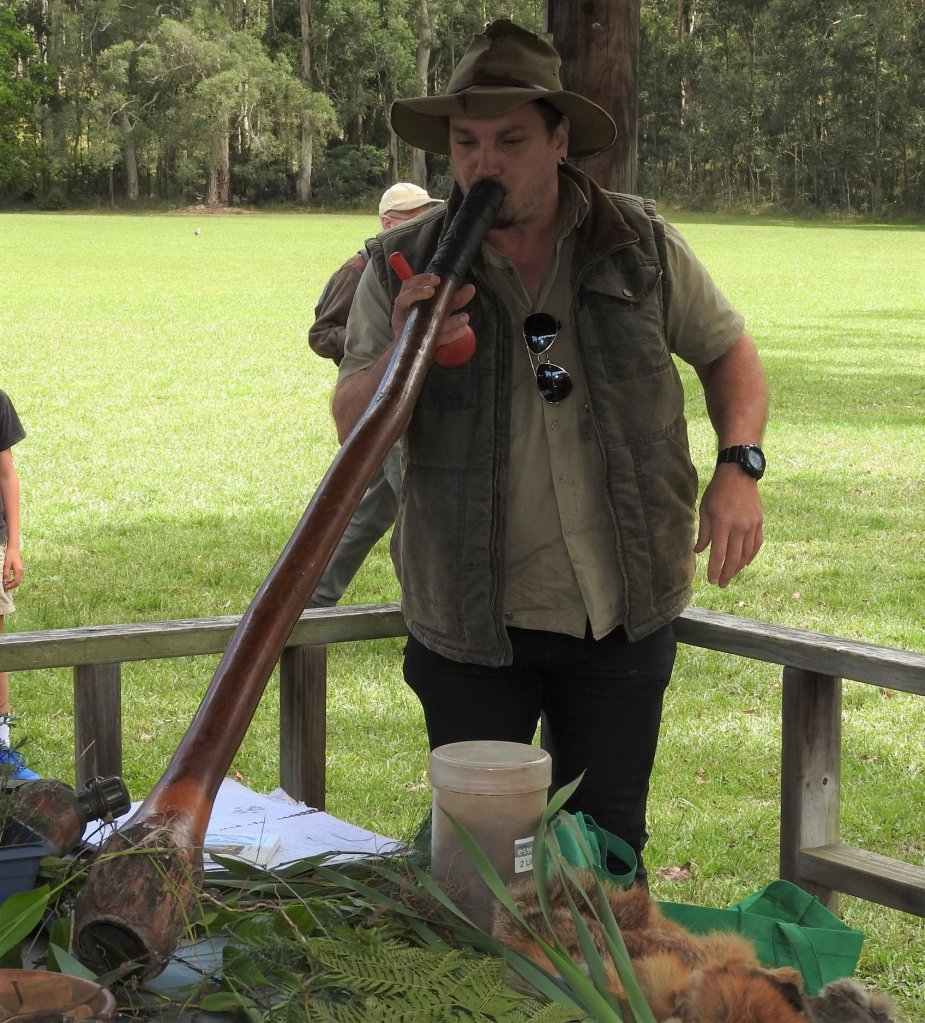
Ultimately, Cassar’s settler identity isn’t merely individual. It’s performative, contagious, and collective (Cooke, 2025e). Through ritual, storytelling, and charismatic leadership, he enables his followers to inhabit a shared mythos (Cooke, 2025e). They are inducted into a narrative that affirms their belonging to land, history, and truth; while masking the dispossession of the First Peoples whose stories and symbols they appropriate (Cooke, 2025e).
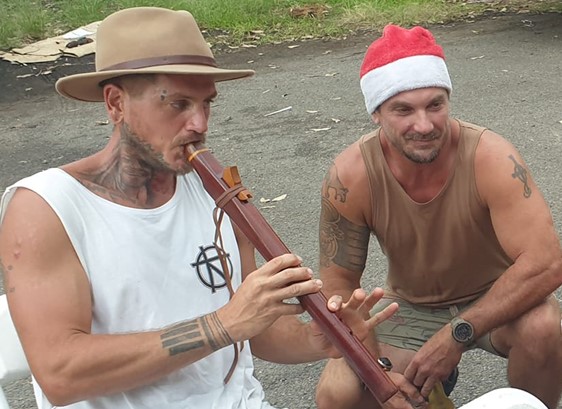
Emotional Communities and the Politics of Belonging
At the heart of CEA’s success lies its capacity to generate emotional communities; affective networks of belonging built through shared ritual, grievance, and spiritualized narrative (Cooke, 2025e). This echoes the broader dynamics of QAnon and other conspiratorial movements, where belief is not merely cognitive but relational, embodied, and affective (Cooke, 2025e).
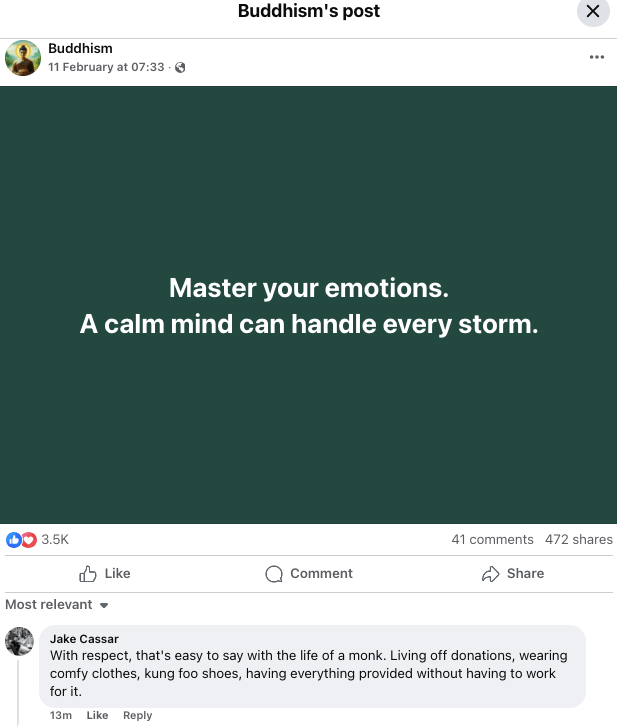
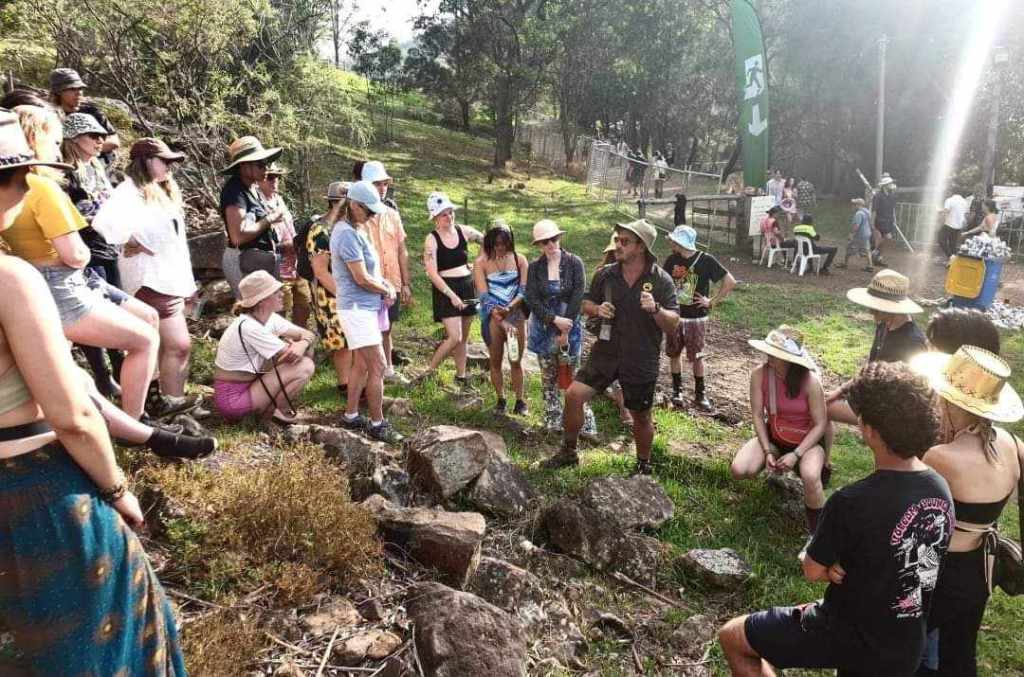
Jake Cassar’s followers aren’t just environmental activists. They are inducted into a sacred narrative of awakening and protection, a community bonded by shared revelation and perceived persecution (Cooke, 2025e). Events such as forest walks, “sacred site” vigils, yowie expeditions, and communal ceremonies serve as affective intensifiers, building trust and solidarity while reinforcing oppositional identity (Cooke, 2025e).

Participants experience a sense of transformative purpose, emotional catharsis, and moral certainty; all hallmarks of high-demand social environments often described as cultic (Crabtree et al., 2020; Cooke, 2025e).
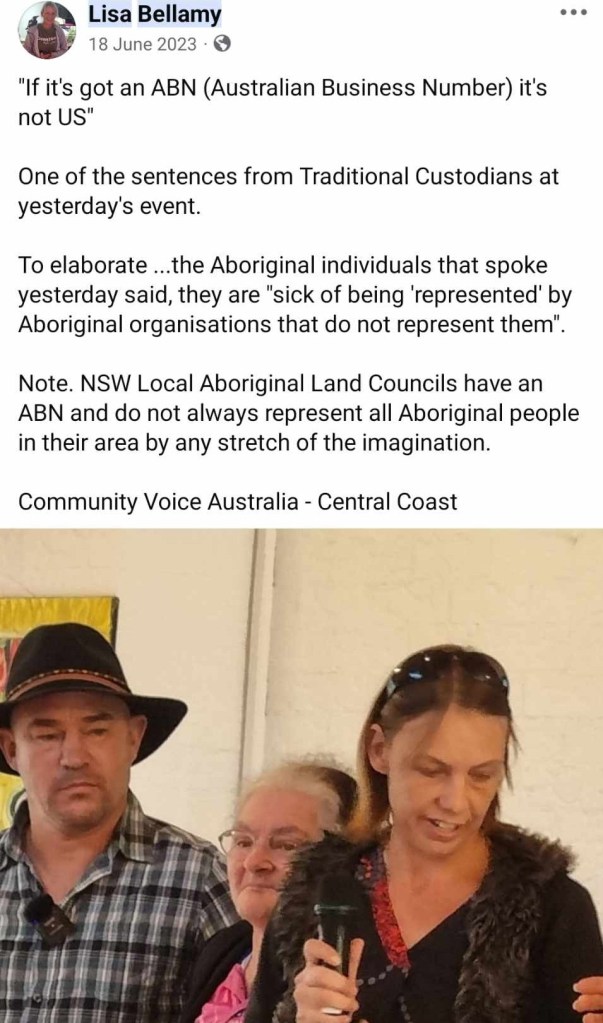
CEA’s emotional architecture is characterized by gratitude rituals, public displays of spiritual commitment, and regular affirmations of mission (Cooke, 2025e). In Facebook groups and community meetings, followers share testimonials of awakening, express outrage at DLALC developments, and reaffirm each other’s roles as guardians of sacred land (Cooke, 2025e).
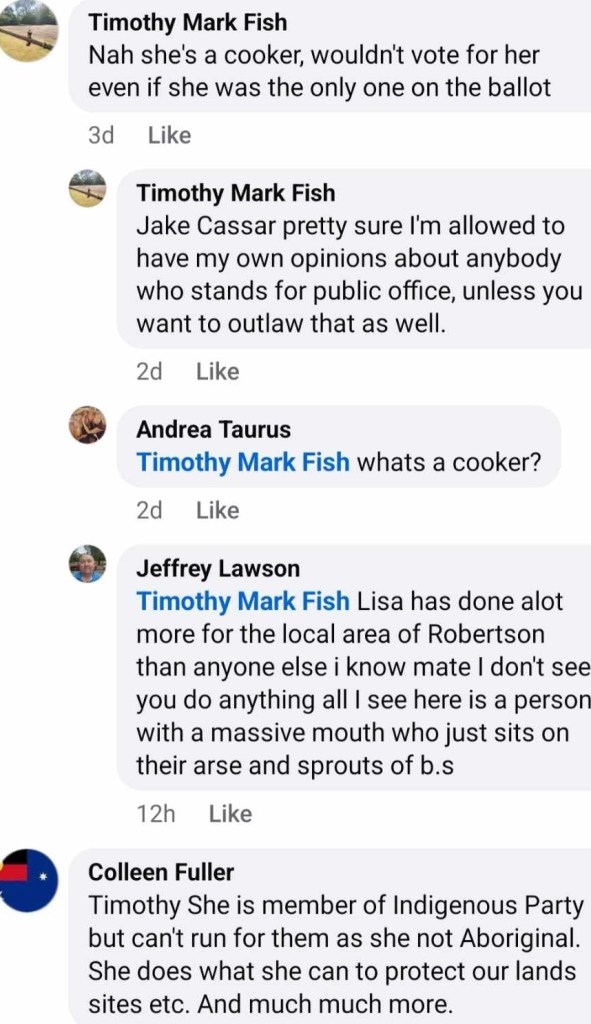
Emotional labor is central (Cooke, 2025e). Followers are encouraged to cry, rage, heal, and commune, producing what Ahmed (2004, 2014) terms an “affective economy” where emotions circulate and bind the group together (Ahmed, 2014; Cooke, 2025e).

These emotional communities aren’t apolitical. They function as affective counterpublics; spaces where settler identity is reimagined through spiritual communion and political opposition (Cooke, 2025e). They invert the usual dynamics of marginalization, presenting CEA members as an oppressed spiritual minority resisting hegemonic authority (Cooke, 2025e).
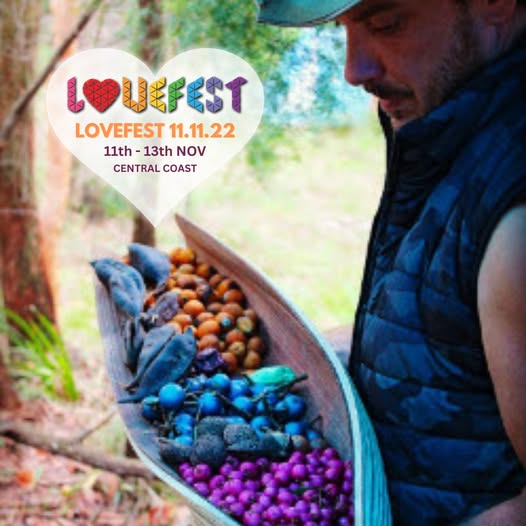
Cassar’s followers often frame themselves as victims of censorship, institutional betrayal, and cultural erasure (Cooke, 2025e). This persecutory inversion mirrors the populist logics of QAnon, where power is seen as illegitimate unless it aligns with personal revelation and communal truth (Phillips, 2025; Cooke, 2025e).
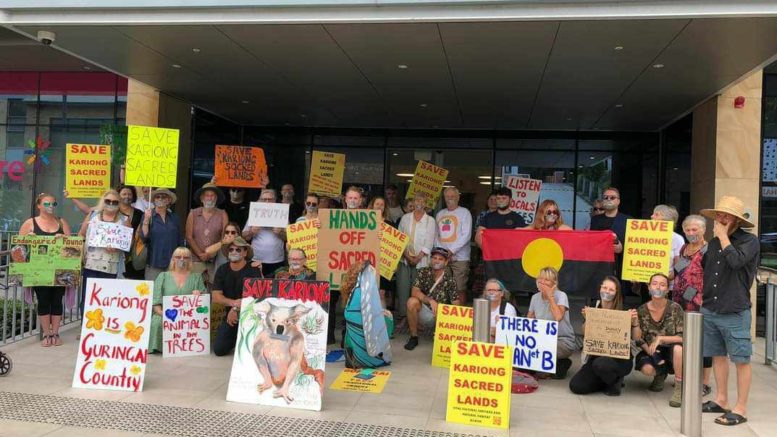
Within CEA, ritual practice plays a central role in this emotional formation (Cooke, 2025e). Followers engage in what might be termed ritual bricolage, piecing together elements of Aboriginal ceremony, such as smoking, dance, and storytelling, with settler mythologies and New Age practices (Cooke, 2025e).
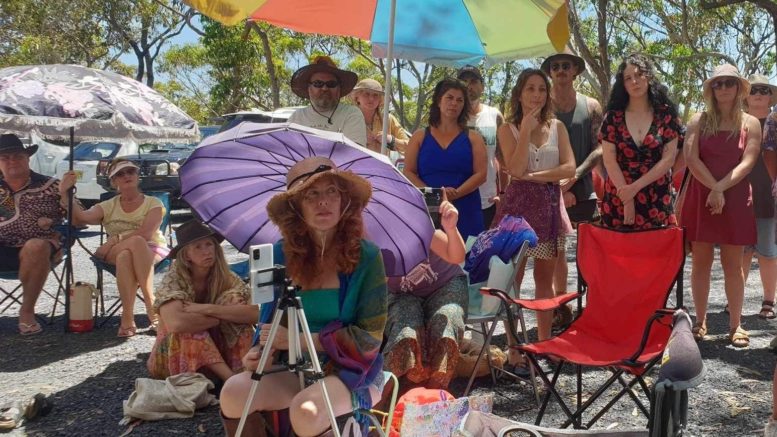
These ceremonies are not only symbolic acts of solidarity but also tools of cultural mimicry and identity substitution (Cooke, 2025e). Specific performances, like yowie tracking expeditions and sacred vigils, often include gestures, chants, or narratives appropriated from Aboriginal cosmology but stripped of cultural context or authority (Cooke, 2025e). This dynamic aligns with Sara Ahmed’s (2014) concept of the “stickiness” of emotions; how affect adheres to particular figures or symbols to construct communal identity (Ahmed, 2014; Cooke, 2025e).

Cassar himself becomes one such figure of stickiness, embodying grief, rage, love, and truth (Cooke, 2025e). Through his emotional cues, anguish at destruction, joy at communion, solemnity in ritual, he teaches followers how to feel and to whom those feelings should be directed (Cooke, 2025e).

Gender dynamics also play a role (Cooke, 2025e). CEA valorizes masculine protector roles through Cassar’s bushcraft and warrior ethos while simultaneously inviting nurturing, intuitive feminine identities into the circle through rituals of care, gratitude, and emotional openness (Cooke, 2025e).

These gendered affective roles contribute to the internal structure of the community and reinforce narratives of balanced, sacred harmony (Cooke, 2025e). However, they also mask the settler power dynamics at play, giving the appearance of decolonial healing while reinscribing colonial hierarchies (Cooke, 2025e).

Belonging in CEA is constructed through emotional resonance, but also through symbolic exclusion (Cooke, 2025e). Indigenous land councils like DLALC are not just bureaucratic adversaries. They are cast as emotional villains, desecrators of sacred ecology, and betrayers of cultural truth (Cooke, 2025e).

The result is a politics of belonging that requires the rejection of Indigenous authority in order to affirm settler spiritual purity (Cooke, 2025e). As such, the rituals of emotional bonding produce a sense of innocence and moral superiority that forecloses self-reflection (Cooke, 2025e).

This sacralized boundary between insider and outsider renders dialogue with Aboriginal voices nearly impossible (Cooke, 2025e). Any challenge is reframed as an attack on the group’s spiritual identity, leading to further emotional intensification and epistemic closure (Cooke, 2025e).
Platforms of Prophecy: Social Media Spectacle and the Rituals of Conspiritual Community
The success of settler conspiritual movements like the Coast Environmental Alliance (CEA) is inseparable from their use of social media as a platform for digital ritual and spectacle (Cooke, 2025e). In these online spaces, spiritual populism converges with algorithmic amplification, turning conspiracy into community and spectacle into belief (Cooke, 2025e). Jake Cassar’s charisma, spiritual rhetoric, and aesthetic curation function synergistically in digital ecologies to create a sacred space of emotional resonance and symbolic warfare (Cooke, 2025e).
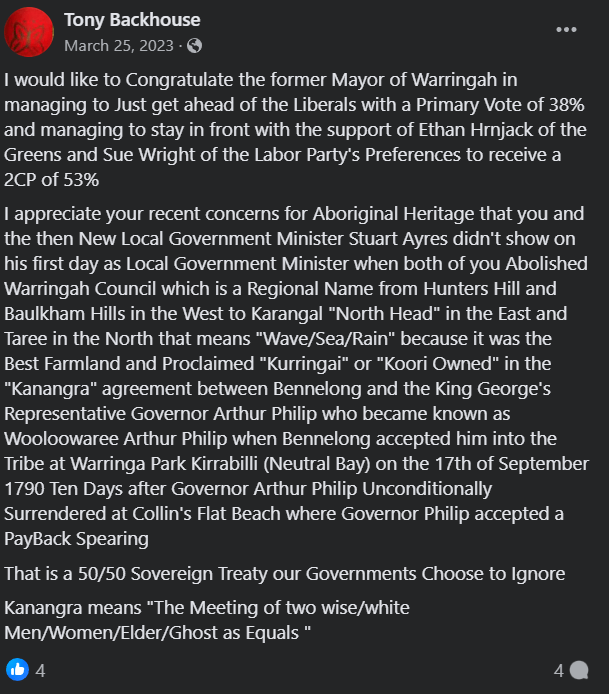
Cassar’s posts across platforms such as Facebook, Instagram, and YouTube are richly affective (Cooke, 2025e). They feature images of sacred trees, sunset vigils, misty landscapes, and ritual gatherings infused with language of spiritual urgency and divine mission (Cooke, 2025e). These digital artifacts aren’t simply expressive; they’re performative, constructing an immersive cosmology in which followers are recruited into an enchanted war for Country (Cooke, 2025e).

Kalpokas (2018) calls this dynamic “post-truth aesthetics,” where emotional veracity trumps empirical evidence and where the circulation of affect becomes epistemological proof (Kalpokas, 2018; Cooke, 2025e). As Van Badham (2021) argues, the aesthetic grammar of conspiracy movements like QAnon uses emotionally charged imagery and narrative immersion to override rational critique, a strategy clearly echoed in Cassar’s visual politics (Cooke, 2025e).

These online spaces function as affective economies (Ahmed, 2014), wherein emotions are not privately held but publicly exchanged, shaping communal identity through likes, comments, and shares (Ahmed, 2014; Cooke, 2025e). Followers respond to Cassar’s narratives with grief, rage, reverence, and resolve, reinforcing the spiritual validity of the cause through digital reciprocity (Cooke, 2025e). Each interaction becomes a micro-ritual of belonging (Cooke, 2025e).
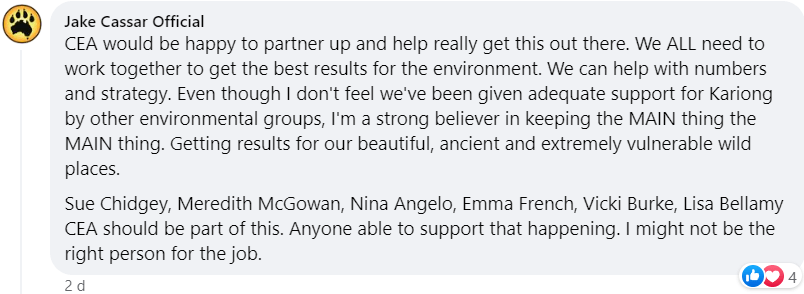
Social media also enables the formation of what Lorenzi (2020) terms “algorithmic kinship,” affective bonds forged through repeated digital engagement (Lorenzi, 2020; Cooke, 2025e). The architecture of the platforms ensures that emotionally provocative content gains greater visibility, creating feedback loops that intensify belief and belonging (Cooke, 2025e). Cassar’s community thus becomes bound not only by ideology but by the shared rhythm of ritualized online activity: livestreams, photo commentaries, story reposts, and call-and-response affirmations (Cooke, 2025e).

Cassar’s narrative architecture often mimics liturgical form (Cooke, 2025e). Posts begin with expressions of mourning or outrage, proceed through a retelling of sacred violation (such as a DLALC development), and conclude with invocations of resistance, awakening, or love (Cooke, 2025e).

This para-liturgy converts secular political conflict into spiritual ceremony (Cooke, 2025e). His followers are not just observers; they are initiated co-participants in the drama of settler redemption (Cooke, 2025e). This ritual form aligns closely with what Assaf (2011) and Brennan (2019) identify as “white shamanism,” in which settler spiritual practitioners appropriate Indigenous ritual forms to construct an imagined moral and cultural legitimacy (Cooke, 2025e).

This ritualization of online space is deeply political (Cooke, 2025e). CEA’s social media engagement produces a binary cosmology: the awakened guardians of sacred land versus the desecrating forces of institutional corruption (Cooke, 2025e). Aboriginal institutions like DLALC are rarely critiqued in nuanced terms. Instead, they are symbolically flattened, rendered as betrayers of Country or spiritually compromised authorities (Cooke, 2025e). This discursive violence is all the more potent for being cloaked in reverential language (Cooke, 2025e).
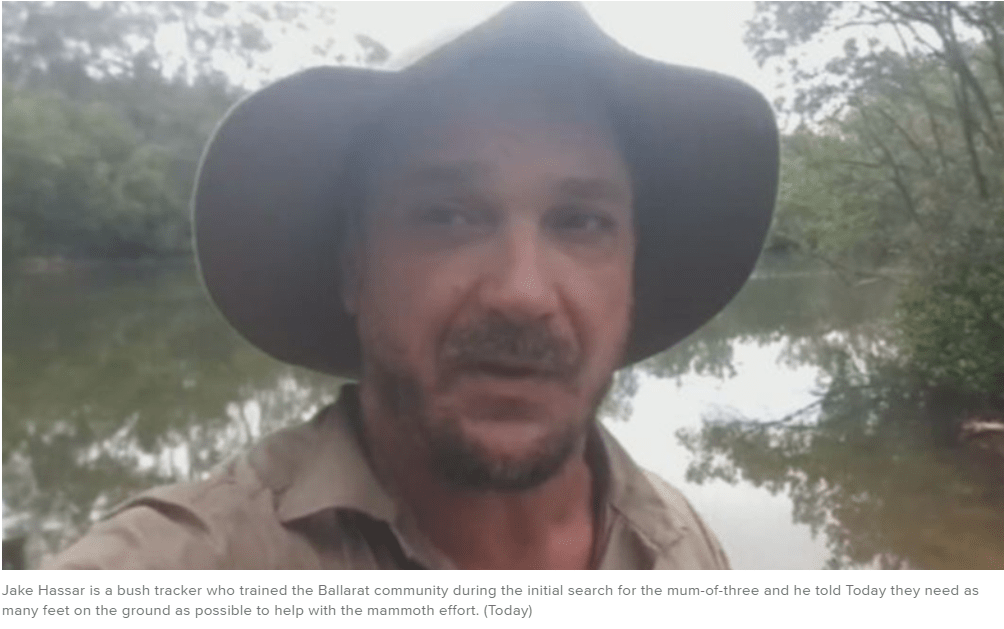
Moreover, social media offers a stage for the performance of charismatic authority (Cooke, 2025e). Cassar’s digital presence draws on techniques from wellness influencers, New Age spirituality, and activist branding (Cooke, 2025e). His role as “protector” is visually reinforced through imagery of rugged landscapes, ritual engagement, and moments of meditative stillness (Cooke, 2025e).
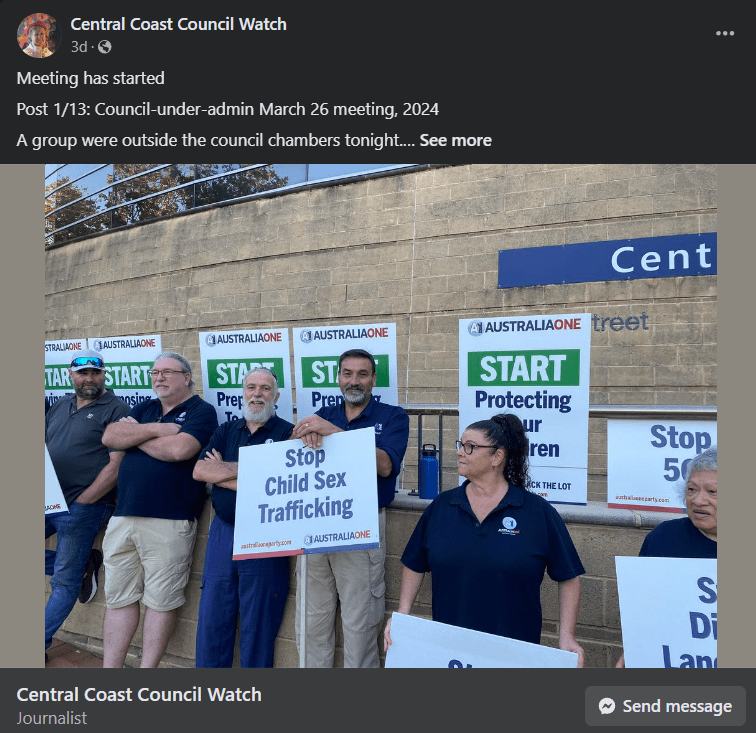
His charisma isn’t static; it’s maintained through continuous emotional labor and digital curation (Cooke, 2025e). Cassar’s online mobilization strategy also draws from QAnon-affiliated aesthetic and emotional logics (Cooke, 2025e). As Moskalenko et al. (2021) note, QAnon’s digital rituals rely on communal decoding, spiritualized resistance, and epistemic enclaves reinforced through algorithmic design (Cooke, 2025e). Cassar’s followers experience his online presence as a sacred feed, each post a moment of revelation, affirmation, or encoded truth (Cooke, 2025e).
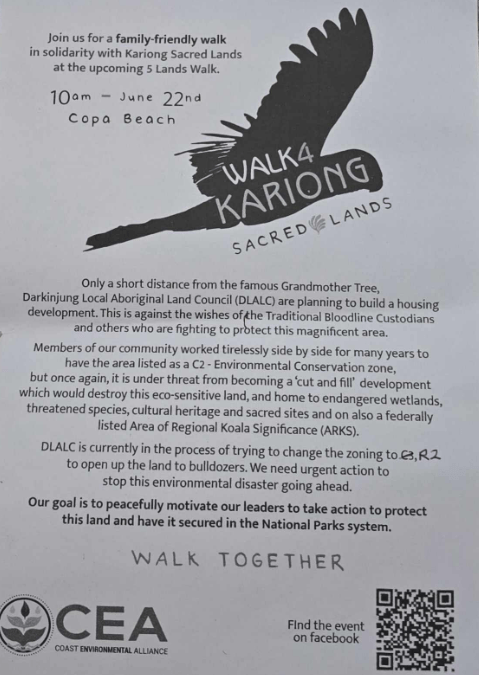
Importantly, social media also shields CEA from scrutiny (Cooke, 2025e). Attempts at fact-checking or legal clarification are often reinterpreted within the group as attacks on their spiritual identity (Cooke, 2025e). This is consistent with the affective logic of conspirituality: truth is not established through reason but revealed through feeling (Cooke, 2025e). Cassar’s followers are emotionally immunized against contradiction, because alternative narratives are experienced not as differences of opinion but as threats to sacred belonging (Cooke, 2025e).
Epistemic Control and Behavioural Entrapment
Central to the operation of high-control groups is the monopolization of truth and reality (Richardson, 1993). Both the GuriNgai and CEA networks exhibit classic features of what Lifton (1989) identified as “milieu control,” a process through which a group limits access to external information while tightly regulating internal discourse (Lifton, 1989). Followers are fed curated information through closed online forums, livestream rituals, in-group storytelling, and mythopoetic teachings that reinforce the group’s cosmology (Richardson, 1993). These systems replace empirical verification with revealed truth (Lifton, 1989).

Within these frameworks, dissent is not interpreted as an invitation to dialogue, but as betrayal (Lalich, 2004). Members who question the fabricated genealogies or false Aboriginal claims made by GuriNgai leaders such as Tracey Howie or Neil Evers are cast as either “government agents,” “colonial sympathizers,” or “spiritually lost” (Cooke, 2025d). Similarly, within CEA, those questioning the scientific falsity of the Kariong Glyphs or opposing their slander against Darkinjung LALC are branded as morally bankrupt or complicit in environmental destruction (Cooke, 2025e).
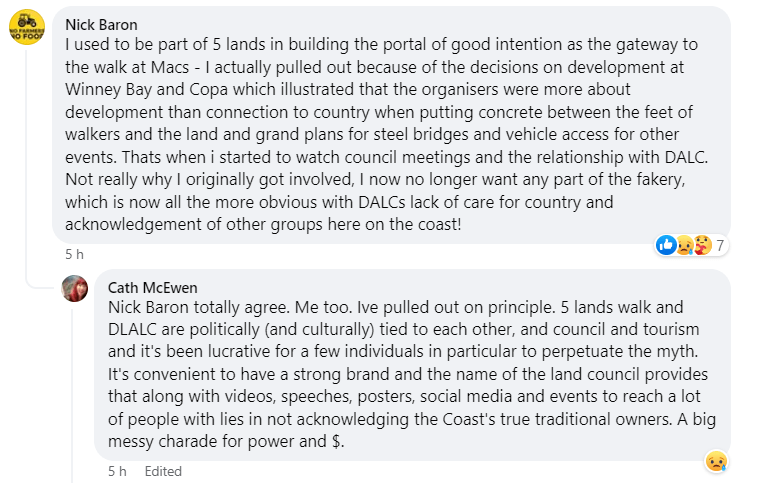
The epistemic closure is reinforced through social and spiritual rituals, including ceremonies held at the Kariong site, bushwalks guided by Jake Cassar, and seasonal gatherings under the guise of ecological protection (Jake Cassar Bushcraft, n.d.).

These events double as indoctrination settings, embedding the group’s mythic narrative within an emotional and affective community experience (Richardson, 1993). As Hassan (2015) and Lalich (2004) describe, such rituals operate as powerful reinforcement mechanisms, particularly when combined with threats of spiritual harm or ancestral shame (Hassan, 2015; Lalich, 2004).

This isn’t merely a case of misinformation. It’s the deliberate replacement of pluralistic knowledge systems with dogma (Lifton, 1989). The groups maintain narrative purity by invoking sacred concepts, such as “Country,” “spirit,” and “law,” while refusing engagement with Aboriginal cultural authority, linguistic accuracy, or legal genealogy (Kwok, 2015; Lissarrague & Syron, 2024). In this sense, they construct what Richardson (1993) termed “bounded ideologies”—totalizing belief systems insulated from critical reflection (Lalich, 2004).
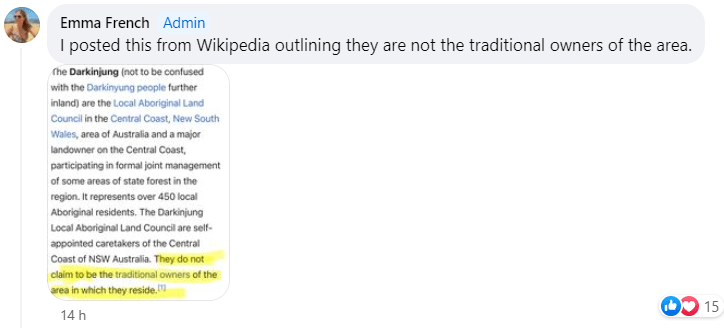
Moreover, the use of behavioral control mechanisms is apparent in how members are conditioned to perform settler-Indigenous roles (Cooke, 2025e). GuriNgai adherents adopt Aboriginal names, wear symbolic regalia, and speak in faux-Cultural idioms (Cooke, 2025d).

CEA activists are encouraged to become “guardians” of specific sites, to bear “truths” about suppressed histories, and to evangelize the gospel of Kariong’s glyphs (Cooke, 2025e). These performances create a simulacrum of identity and authority that mimics but displaces real Aboriginal law (Cooke, 2025d).

The result is a deeply embedded echo chamber. Members become psychologically invested in the mythology and group status, and simultaneously alienated from alternative sources of knowledge (Richardson, 1993). This creates a psychological double bind, what Singer (2003) referred to as the cultic milieu’s emotional trap, where exit becomes not only socially costly but spiritually devastating (Singer, 2003). Many fear spiritual exile, ancestral betrayal, or public shame if they disengage (Grant, 2022).

Such epistemic and behavioral entrapment further sustains the political function of these cults. Once enmeshed in these networks, members are not merely misinformed; they are ideologically armed against Aboriginal sovereignty (Cooke, 2025d).

They become grassroots vectors of disinformation, spreading myths, opposing Aboriginal-led developments, and rallying behind false claims of custodianship (Cooke, 2025e). As Montell (2021) and Anthony & Robbins (2004) note, this weaponization of belief is one of the most dangerous capacities of cults: their ability to transform narrative into action under the illusion of sacred purpose (Zablocki, 2001).
4. Cultural, Legal, and Historical Legitimacy: Darkinjung LALC versus the GuriNgai Group
A comprehensive comparison of the Darkinjung Local Aboriginal Land Council (DLALC) and the non-Aboriginal GuriNgai group reveals fundamental differences in cultural legitimacy, legal authority, and historical continuity (Cooke, 2025g).
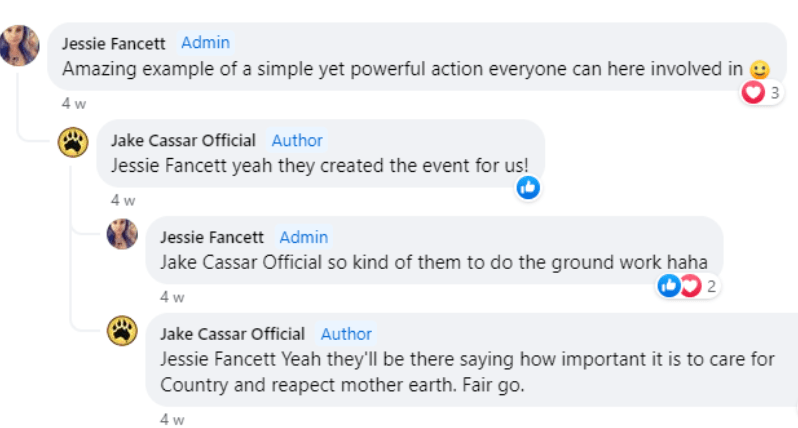
DLALC is a legislatively constituted body under the Aboriginal Land Rights Act 1983 (NSW), which not only affirms its Aboriginal identity but also confers statutory powers to acquire, manage, and develop land for the benefit of its members (Cooke, 2025g). This legal recognition grants DLALC authority in land use decisions, enabling it to undertake planning proposals such as the Kariong development with official endorsement, access to statutory planning frameworks, and direct accountability to state and community governance mechanisms (Cooke, 2025g).
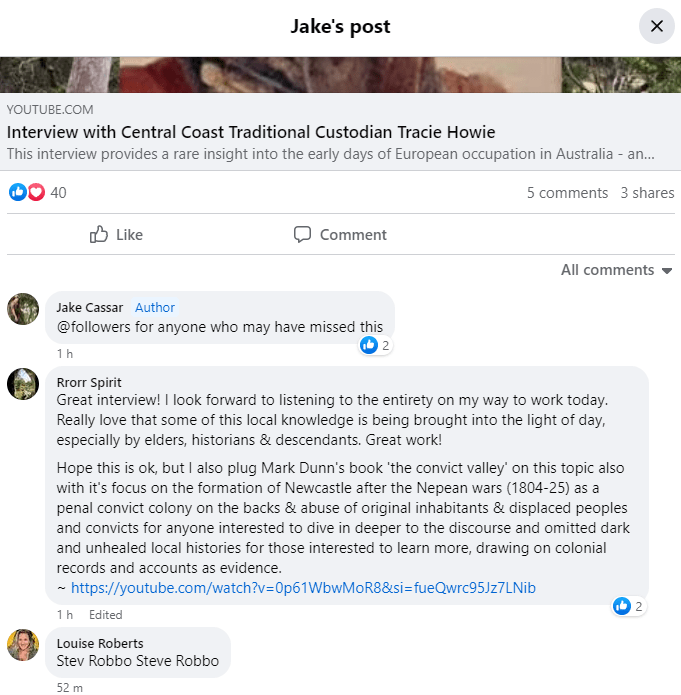
DLALC’s governance, transparency, and legitimacy are reaffirmed in public records, its statutory role within the NSW Land Rights network, and its public-facing land use planning documents, including the Kariong Planning Proposal hosted by the NSW Department of Planning and the 2022 Development Delivery Plan (Cooke, 2025g; NSW Department of Planning and Environment, 2024). Since the 1980s, DLALC has delivered housing, environmental stewardship, cultural education, and land justice outcomes for its members, including the proposal to dedicate more than 50 percent of the Kariong site as conservation land, with biodiversity certification and affordable housing contributions (Cooke, 2025g; Darkinjung LALC, 2023).

By contrast, the GuriNgai group operates without such legal status, recognition, or institutional accountability (Cooke, 2025g). It is not a recognized Aboriginal group, nor has it ever been appointed or endorsed by the NSW Aboriginal Land Council, Native Title Tribunal, or any Aboriginal heritage authority (Cooke, 2025g).

The Metropolitan Local Aboriginal Land Council (MLALC) and six other Land Councils have publicly rejected GuriNgai identity claims, including in a formal letter to the Premier of New South Wales in 2020 (Metropolitan LALC, 2020; Cooke, 2025g).
Linguistic and anthropological research confirms that the GuriNgai label is a settler construction, not a term grounded in historical usage or community identity (Kwok, 2015; Lissarrague & Syron, 2024; Cooke, 2025g).
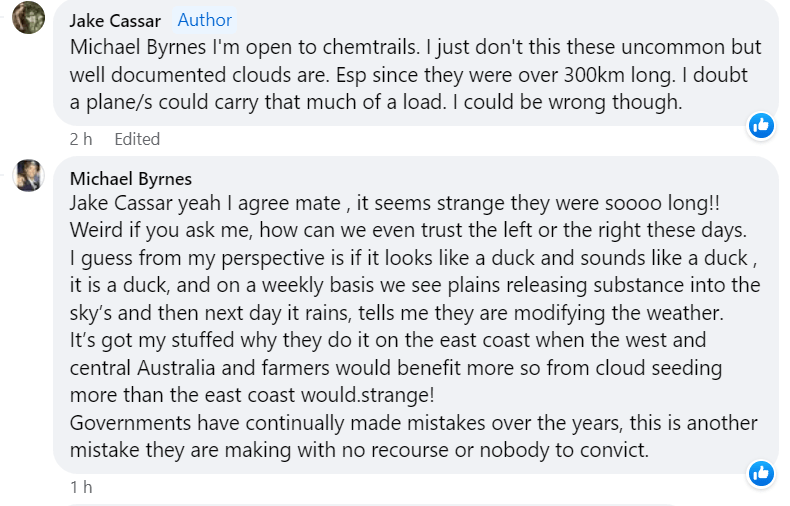
The historical record reinforces this distinction (Cooke, 2025g). For example, community submissions to the NSW Aboriginal Land Council and public statements from both the Metropolitan and Darkinjung LALCs have explicitly stated that individuals associated with the GuriNgai group, such as Tracey Howie, Neil Evers, and Laurie Bimson, do not appear on any known genealogical records connected to the Garigal or Guringay peoples (Cooke, 2025g).
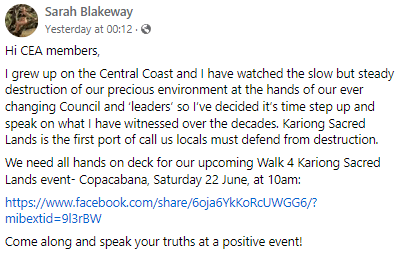
In one case, genealogical evidence showed that a prominent claimant traced ancestry to 19th-century Scottish settlers rather than Aboriginal ancestors, directly contradicting their self-proclaimed identity (Cooke, 2025g).

These contradictions have been publicly documented and widely circulated in community education campaigns, including those hosted on guringai.org, as part of efforts to protect legitimate cultural authority from fabrication and exploitation (Cooke, 2025g).

DLALC’s connection to Country is grounded in continuous, documented presence, traditional knowledge, and intergenerational cultural transmission (Cooke, 2025g). Its activities are legally defined, community governed, and culturally verified (Cooke, 2025g).

The GuriNgai, by contrast, represent a fabrication: as documented in genealogical analyses, the individuals claiming this identity have not demonstrated any verifiable descent from Aboriginal ancestors known to the region (Cooke, 2025g).

The group’s claims lack corroboration from any Native Title, Land Council, or recognized genealogical registry, and have been refuted by multiple Aboriginal bodies (Cooke, 2025g). In contrast to DLALC’s documented ancestral and cultural continuity, the GuriNgai identity was retrospectively invented and strategically deployed to interfere in land negotiations and gain cultural capital through mimicry and myth (Cooke, 2025g).

Moreover, DLALC is accountable through public submissions, published plans, and legal reviews (Cooke, 2025g). The Kariong Planning Proposal is documented on the NSW Department of Planning’s website, where key facts are disclosed: limited residential development, strong environmental conservation protections, and extensive Aboriginal consultation (Cooke, 2025g; NSW Department of Planning and Environment, 2024).

In stark contrast, the GuriNgai’s claims circulate in opaque media channels, fringe rallies, and social media platforms such as the Coast Environmental Alliance’s Facebook group, where mythmaking is divorced from any cultural checks or accountability mechanisms (Cooke, 2025g).

This contrast between Darkinjung and the GuriNgai is not merely administrative. It is a conflict between real Aboriginal sovereignty and its settler simulation (Cooke, 2025g). While DLALC represents Aboriginal people making decisions on their own lands, this is clearly exemplified by its leadership of the Kariong Planning Proposal, which includes a comprehensive Aboriginal Cultural Heritage Assessment, formal community consultation, and conservation strategies endorsed by the NSW Department of Planning (Cooke, 2025g).

These processes reflect DLALC’s exercise of self-determination through recognized governance structures, cultural protocols, and legally accountable frameworks that prioritize both Country and community (Cooke, 2025g). The GuriNgai network—supported by Coast Environmental Alliance, Coast Community News, and political actors like Lisa Bellamy—performs a settler fantasy of Aboriginality, one that strategically erases legitimate authority and undermines land justice for actual Aboriginal people (Cooke, 2025g).
The stakes are therefore not symbolic. The widespread circulation of misinformation and settler mimicry has material consequences, including the delay or obstruction of critical housing and conservation projects, the diversion of public support and funding away from legitimate Aboriginal organizations, and the erosion of trust in statutory planning and cultural heritage processes (Cooke, 2025g).

These outcomes are not incidental but represent a systemic re-routing of both financial and moral capital away from recognized Aboriginal bodies (Cooke, 2025g). For example, DLALC’s proposals for culturally informed, environmentally responsible housing developments have been stalled or mischaracterized in public forums, potentially weakening their access to investor confidence, planning approvals, and community support (Cooke, 2025g).

Simultaneously, fringe groups like the GuriNgai, despite lacking cultural or legal legitimacy, have succeeded in securing speaking platforms, grants, and partnerships from misinformed institutions unaware of their fabricated status (Cooke, 2025g). This constitutes a redistribution of opportunities, attention, and decision-making power away from actual Aboriginal communities and toward settler-led simulations of Indigeneity that destabilize land justice outcomes (Cooke, 2025g). These impacts are juridical, epistemological, and territorial (Cooke, 2025g).
5. The Spectrum of Harms: Individual, Interpersonal, and Socio-Political Impacts
Involvement with settler cults like the GuriNgai and CEA produces a wide spectrum of harms that extend across individual, interpersonal, and socio-political dimensions. These harms are often profound and long-lasting, reflecting the deep penetration of cultic control.

Psychological and Emotional Trauma: Disorientation, Anxiety, Betrayal
Individuals who begin to question their place in these groups often experience significant cultural disorientation and emotional trauma (from query). Former members report profound feelings of grief, identity confusion, abandonment, depression, anxiety, and a deep sense of cultural betrayal (from query). Research indicates that former cult members can experience significant adjustment difficulties, including depression, anxiety, dissociation, passivity, guilt, and even psychotic breaks (Langone, 1993; Singer & Ofshe, 1990). The trauma can ripple through every aspect of life, distorting relationships, depleting self-worth, and causing a lingering sense of dislocation (from query). Survivors may also experience “post-cult floating” and symptoms associated with post-traumatic stress disorder (PTSD) and/or dissociative disorders (Eichel, 1993).
The masking of psychopathology within the cultic environment implies that the cult itself can create or exacerbate mental health issues that only become apparent after exit (Langone, 1993). This highlights the delayed and insidious nature of cultic harm, making post-exit support even more critical (Langone, 1993). If cult members appear psychologically well-adjusted generally while in the group due to conformity pressures (Langone, 1993), it means the cult environment actively suppresses or hides symptoms. When these pressures are removed, the underlying psychological distress surfaces, leading to the significant adjustment difficulties (Langone, 1993) and long-term emotional difficulties (from query) experienced by ex-members. The profound sense of betrayal and identity confusion reported by former members points to a fundamental disruption of self-narrative and trust. This makes rebuilding a coherent identity and re-establishing healthy relationships a complex, long-term therapeutic challenge, particularly when the betrayal involves one’s cultural heritage. The experience of a former CEA supporter who felt “like the ground had fallen out from under me” after discovering the falsity of the group’s Aboriginal identity claims (from query) powerfully illustrates this profound existential crisis.
Fractured Relationships: Kinship Ties, Community Division, Intergenerational Mistrust
A key tactic of high-control groups is to fracture kinship ties, isolating members from their family and cultural roots (from query). Members may be discouraged from speaking to family members who question the group’s legitimacy, or warned not to engage with journalists or respected Aboriginal Elders (from query). Youth within these groups may be taught to disregard Elders, fostering intergenerational mistrust (from query). This deliberate fracturing of kinship ties and the fostering of intergenerational mistrust serve as a direct mechanism of control, isolating members and undermining legitimate Aboriginal governance structures. This is a calculated strategy to consolidate cult power, leading to communities becoming divided and confused over rightful cultural leadership and governance, contributing to the erosion of legitimate Aboriginal authority and cultural continuity (from query). Cults systematically separate members from their family, friends, and social support networks (Singer, 2003; Whitsett & Kent, 2003).

Socio-Economic Disruption: Education, Employment, Financial Hardship
The impacts of cult involvement extend to significant socio-economic disruption. Individuals may experience disrupted education trajectories, severed family and community relationships, financial hardship, and loss of employment due to ideological isolation (from query). Cults can cause members to quit education or university degrees, leaving them behind their peers (SBS News, 2025). Financial exploitation, manipulation, or dependence is a direct component of behavioral control within cults (Hassan, 2015). These socio-economic harms are not merely side effects but direct consequences of the cult’s behavioral and informational control (Hassan, 2015). This creates practical dependencies that trap members, even if they become disillusioned. If cults control financial exploitation and restrict leisure time (Hassan, 2015), and members quit their education (SBS News, 2025), then their ability to function independently outside the cult is severely hampered. This creates a practical “prison with or without walls” (Singer, 2003) that makes leaving incredibly difficult, even if psychological bonds weaken.

Erosion of Aboriginal Authority and Cultural Continuity
At a broader level, the operations of settler cults like GuriNgai and CEA contribute to the erosion of legitimate Aboriginal authority and cultural continuity (from query). By embedding settler-colonial narratives within pseudo-spiritual rhetoric, these groups obscure their lack of cultural legitimacy while inflicting lasting socio-political harm (from query). This includes the silencing of Aboriginal voices within key public and institutional forums, exacerbating the marginalization of authentic cultural custodianship (from query).

Identity fraud, as practiced by groups like GuriNgai, directly undermines Aboriginal sovereignty, distorts cultural truth, and weaponizes settler ignorance for personal gain (Cooke, 2025d). It allows these groups to displace or silence legitimate Traditional Owner voices, gaining access to funding, media platforms, and institutional partnerships (Cooke, 2025d; Indigenous Chamber of Commerce Manitoba, 2025).

The “white possession” framework (Moreton-Robinson, 2015) is critical to understanding this, as it involves the right of the dominant culture to name, define, and regulate Aboriginal identity in ways that benefit settler interests (Moreton-Robinson, 2015). The “erosion of legitimate Aboriginal authority and cultural continuity” (from query) is a direct, intended outcome of settler cults like GuriNgai (Cooke, 2025d).
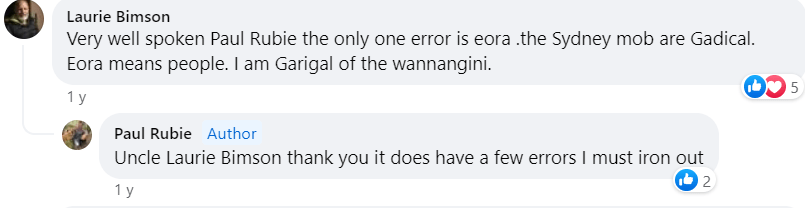
By performing Indigeneity and gaining institutional validation, these groups actively participate in the ongoing colonial project of dispossessing Aboriginal peoples of their identity and self-determination (Cooke, 2025d).
The “Pretendian phenomenon” (Deloria, 1998; Watt & Kowal, 2019) and the rise of “plastic shamans” (Deloria, 1998) illustrate a global trend of exploiting Indigenous spiritual and cultural capital for personal gain within New Age and counter-culture movements (Cultural Survival, 2020; Wikipedia, n.d.).
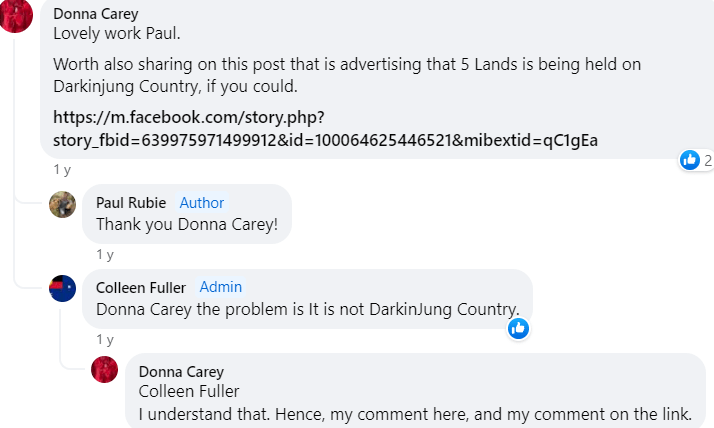
This demonstrates a systemic issue of cultural extractivism (Cultural Survival, 2020) that extends beyond individual cases and reinforces the neocolonial violence argument (Cultural Survival, 2020; Cooke, 2025d). Settler conspirituality, as exemplified by Jake Cassar and CEA, weaponizes spirituality and emotional community to invert narratives of dispossession, reframing Aboriginal land councils as desecrators and themselves as enlightened defenders of Country (Cooke, 2025e).

This strategy aligns with the psychological politics of ‘white possessiveness’ (Moreton-Robinson, 2015) and the symbolic inversion of settler guilt into settler guardianship (Cooke, 2025g). By portraying Aboriginal-led developments as threats to sacred nature, these campaigns mobilize affective attachment to place in ways that naturalize settler entitlement and delegitimize Indigenous law and sovereignty (Cooke, 2025g).
Equally destructive is the campaign’s impact on real environmental activism (Cooke, 2025g). By hijacking the language of ecology and conservation, protests like “Save Kincumber Wetlands” trivialize and discredit the work of qualified ecologists, conservationists, and other experts engaged in authentic land care (Cooke, 2025g).

Their theatrics blur the lines between truth and fantasy, making it harder for the public to distinguish between performative settler spirituality and legitimate cultural or scientific authority (Cooke, 2025g).
6. The Cult Exit Process: Disillusionment, Disintegration, and Aftershocks
Exiting a cult is rarely a singular event but a prolonged, painful process involving profound psychological disintegration and relational loss. It often begins with a silent, painful reckoning: the slow realization that something once felt as truth has become hollow, harmful, or manipulative.

Triggers for Disengagement: Betrayal, Contradictory Evidence, Moral Conflict
Research indicates that individuals often leave high-control groups following a significant disillusionment event. These events may include leadership betrayals, such as witnessing hypocrisy or abuse by a charismatic figure, exposure to contradictory evidence about the group’s claims, or the surfacing of internal moral conflict when members are asked to act in ways that contradict their own values (Zablocki, 2001). For example, a member might be asked to help organize a protest that targets a legitimate Aboriginal land council or be instructed to dismiss respected Elders as inauthentic.
The “silent, painful reckoning” of disillusionment highlights that the exit process is primarily an internal psychological and moral struggle before it manifests externally. This internal conflict is a critical, often overlooked, phase of disengagement. The GuriNgai and CEA present particular challenges in this regard.
Former members may have invested years in advocacy, cultural practices, or community activism, only to later discover the fraudulent foundations of the group’s identity claims or the exploitative nature of its leadership. These realizations often trigger grief, identity confusion, and abandonment.
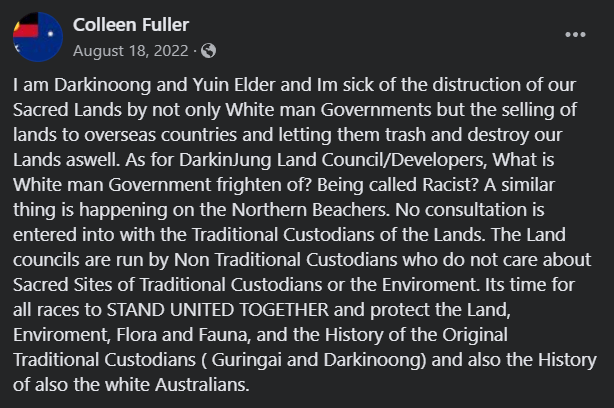
One former CEA supporter shared that discovering the falsity of the group’s Aboriginal identity claims left them feeling “like the ground had fallen out from under me,” straining family relationships and leading them to question their own judgment and values.
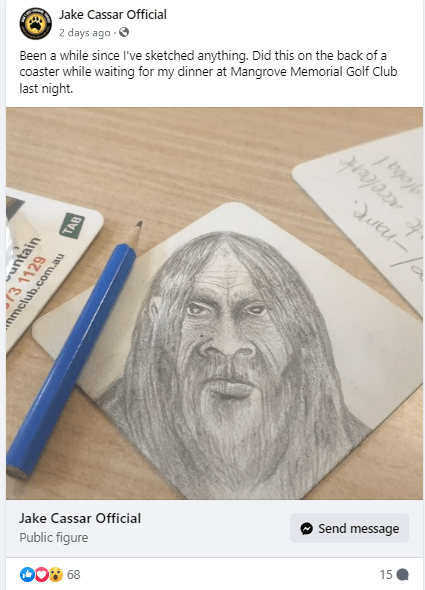
The profound emotional weight of this betrayal, especially when it involves cultural identity fraud, can lead to long-term psychological aftershocks such as social withdrawal, hypervigilance in relationships, and difficulty trusting oneself and others. This underscores the need for specialized trauma-informed care beyond initial debriefing. Individuals may also experience “post-cult floating” and symptoms associated with post-traumatic stress disorder (PTSD) and/or dissociative disorders (Eichel, 1993).

Psychological Disintegration and Relational Loss Post-Exit
Leaving such high-control groups is a prolonged process involving profound psychological disintegration and relational loss. This trauma can ripple through every aspect of life, distorting relationships, depleting self-worth, and causing a lingering sense of dislocation . Individuals may find themselves caught between the remnants of a belief system and the uncertainty of a world they no longer know how to navigate. These challenges often manifest as persistent psychological distress, ranging from anxiety and identity fragmentation to chronic relational tension and social disconnection.
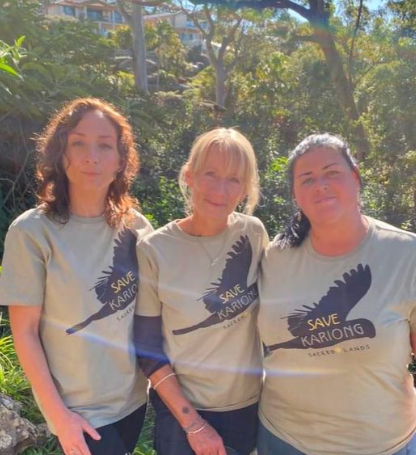
First-generation cult survivors, those who join as adults, experience feelings of betrayal, emptiness, depression, anxiety, loss of trust, and grief (Matthews, 2012). Second-generation survivors, those born or raised in cults, face additional and often more complex challenges, including the effects of a lifetime of abuse and neglect, attachment disorder, lack of education, continuing family-relationship challenges, and lack of external-world support (Matthews, 2012; Furnari & Henry, 2015).

The “void in the literature” regarding second-generation cult survivors (Matthews, 2012) and the unique challenges they face highlight a critical gap in recovery support (Matthews, 2012). This implies a need for specialized, long-term interventions that address developmental trauma and identity formation beyond typical therapy models (Matthews, 2012; Furnari & Henry, 2015). If children “did not ‘join’” but were “born into” cults (Furnari & Henry, 2015) and experience “developmental trauma” (Furnari & Henry, 2015), their recovery needs are distinct from those who joined as adults.

Long-Term Challenges for Survivors
The psychological aftershocks of cult involvement can disrupt careers, fracture families, and sever community ties, extending the impact of the cultic experience well beyond the moment of exit (from query). Cult members are systematically estranged from society, and the longer they stay, the further removed they become from “normal” society (Grant, 2022).
This profound estrangement from society and the sense of being “caught between the remnants of a belief system and the uncertainty of a world they no longer know how to navigate” (from query) indicate that cult involvement creates a fundamental disruption of socialization and reality-testing skills (Grant, 2022; Richardson, 1993). Recovery must therefore involve a re-socialization process to navigate the complexities of the non-cultic world (Grant, 2022).
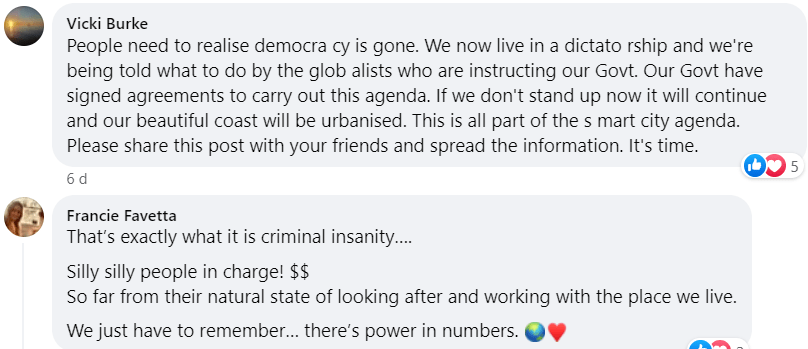
If cult life impacts members’ personalities, resulting in their progressive estrangement from society (Grant, 2022), then the challenges extend beyond emotional healing to practical life skills and social integration. This means recovery needs to include not just therapy, but also practical support for education, employment, and social navigation.

7. Pathways to Recovery: Healing, Reintegration, and Decolonial Approaches
Recovery from cult involvement is not a linear process but one requiring deep psychological, social, and cultural healing. It often begins in a place of deep emotional exhaustion, where confusion and grief coexist with the faint hope of self-restoration.
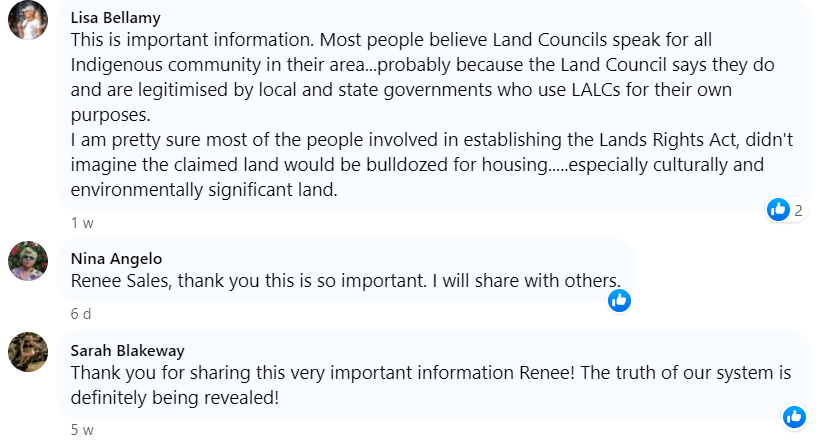
Critical Debriefing and Education: Unraveling Falsehoods
Recovery requires opportunities for critical debriefing and education, which are often emotionally intense, confusing, cathartic, and at times painful (from query). These sessions enable individuals to unravel the falsehoods they once accepted as truth (from query). Facilitated workshops, peer support groups, and guided reading programs can serve as helpful entry points into this phase (from query).
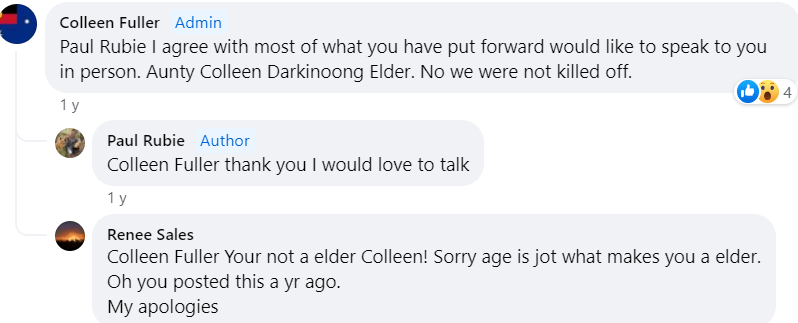
Recovery involves the restoration of critical thinking, the rebuilding of social networks, and the integration of a new, non-cultic identity (from query). Helping people realize they were deceived and manipulated is a beneficial therapeutic approach (Hassan, 2015; Psychology Today, 2024). Learning critical thinking is necessary to develop a new personal and social identity (Furnari & Henry, 2015).

“Critical debriefing and education” are not merely informational but are therapeutic interventions that facilitate cognitive restructuring and emotional processing (Hassan, 2015; Psychology Today, 2024). This process helps survivors differentiate between cultic indoctrination and objective reality, which is crucial for rebuilding a coherent self (Furnari & Henry, 2015).
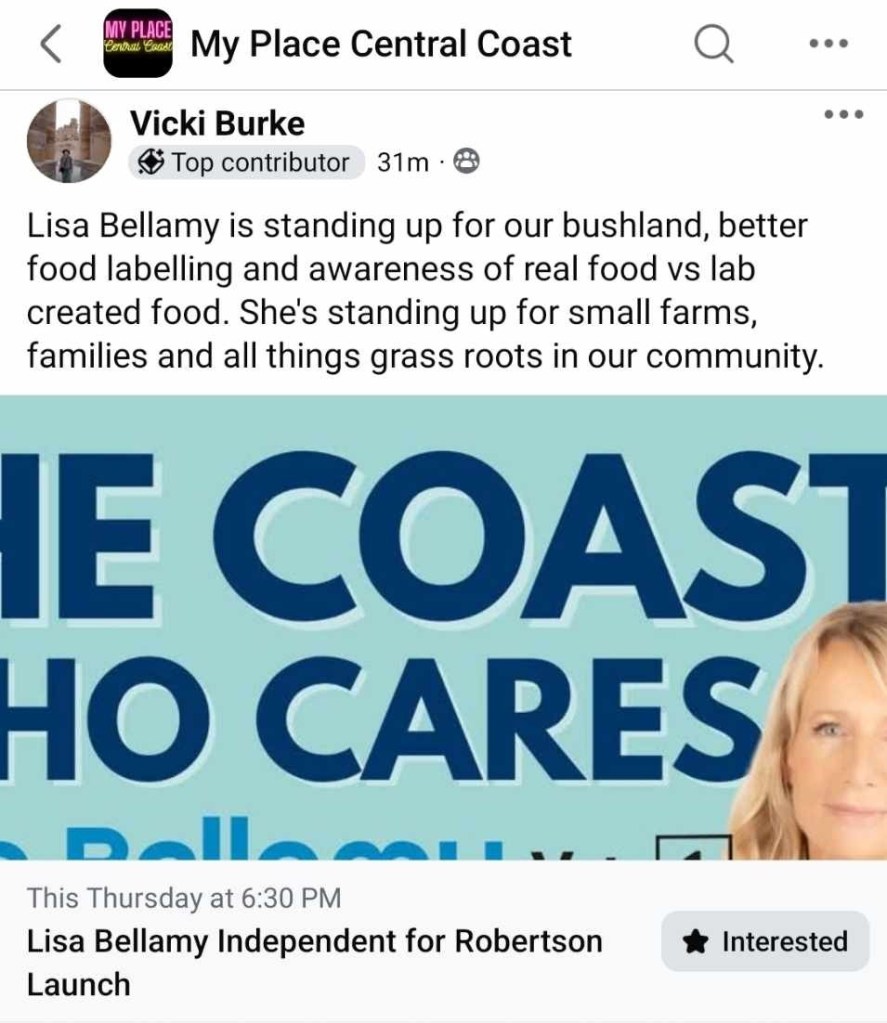
The example of a former CEA member critically examining video footage of speeches they had helped organize, leading to “waves of shame, grief, and clarity”, powerfully demonstrates the intense emotional and cognitive work involved. This isn’t simply learning facts; it’s about unlearning deeply ingrained falsehoods and processing the emotional impact of that unlearning, directly linking to “psychoeducation about Mind Control, Not Blaming the Victim” (Psychology Today, 2024).
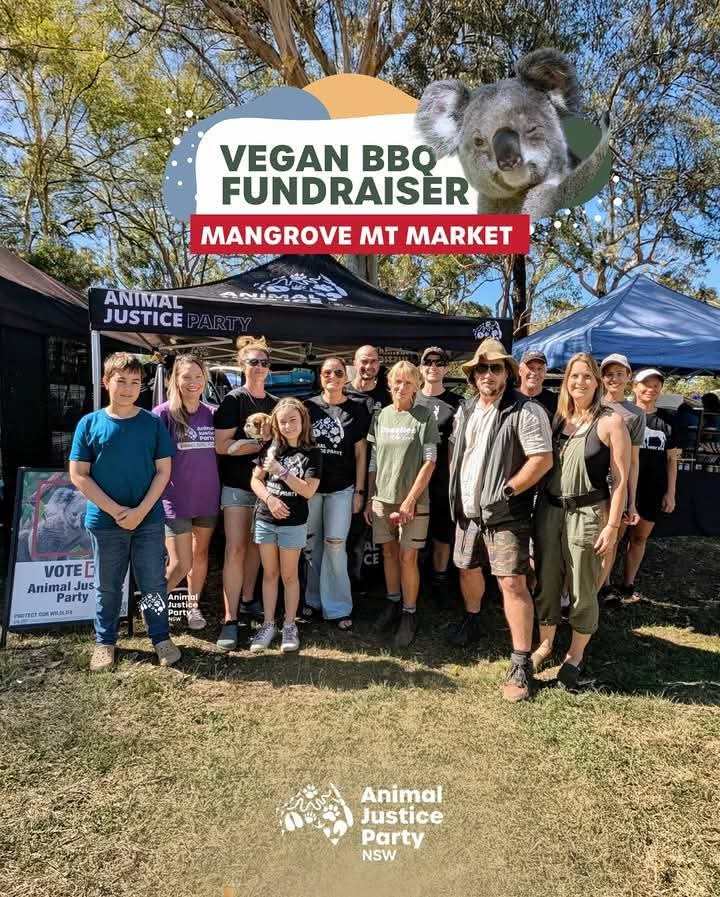
Rebuilding Social Networks and Trust
Cults thrive on isolation, both from outsiders and from former social networks (from query). Therefore, recovery inherently involves rebuilding connections with family, friends, and community organizations that can affirm the individual’s worth outside the cultic frame (from query). For former GuriNgai or CEA members, this may involve reconnecting with local Aboriginal community organizations, mental health services, or environmental groups that operate with integrity and transparency (from query). Reintegration is a complicated endeavor, as cult life systematically estranges members from society (Grant, 2022). Rebuilding social networks and trust is a direct counter-tactic to the cult’s isolation mechanisms (Hassan, 2015; Whitsett & Kent, 2003). This highlights the social dimension of recovery, where re-establishing authentic relationships is as crucial as individual psychological healing (Grant, 2022). If cults “thrive on isolation” (from query) and “separate members from their family and friends and social support network” (Whitsett & Kent, 2003), then the re-establishment of these connections is not just a desirable outcome but a fundamental component of recovery. It directly addresses the “social disconnection” (from query) caused by the cult.

Processing Guilt, Shame, and Trauma-Informed Care
Healing involves processing guilt and shame, understanding how manipulation shaped their behavior, and moving from paralysis to participation in meaningful repair and self-forgiveness (from query). A former member might replay past actions, questioning how they could have missed the signs or parroted false claims (from query). They may remember moments of speaking over Aboriginal people in meetings or organizing protests that now feel deeply misaligned with their values (from query). Cult survivors may experience depression, anxiety, dissociation, and PTSD (Langone, 1993; Matthews, 2012; Singer & Ofshe, 1990). Therapists need to recognize that cult survivors may be grieving the loss of their community and, in some cases, their family (Psychology Today, 2024).
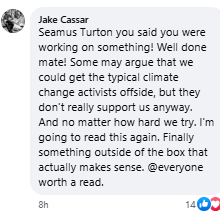
It’s crucial for clinicians to educate themselves on undue influence and its impact on cult survivors, avoiding standardized treatment methods that might trigger trauma responses (Psychology Today, 2024). The existence of specialized trauma therapists (The Religious Trauma Collective, n.d.) indicates a growing recognition of cult involvement as a distinct form of trauma requiring specialized, trauma-informed therapeutic approaches that avoid re-traumatization (Psychology Today, 2024; The Religious Trauma Collective, n.d.). The direct statement that “Not enough clinicians know how to care properly for former cult members” (Psychology Today, 2024) highlights a systemic gap.

The need for specialized knowledge and the warning against “standardized treatment methods” (Psychology Today, 2024) underscore that cult trauma is complex and requires tailored, nuanced care to prevent further harm. Processing guilt and shame is critical because cults instill a narrative where “any problem is always the member’s fault, never the leader’s or the group’s fault” (Hassan, 2015). This requires a therapeutic re-framing that emphasizes external manipulation rather than internal deficiency, fostering self-compassion and empowering survivors to reclaim agency.
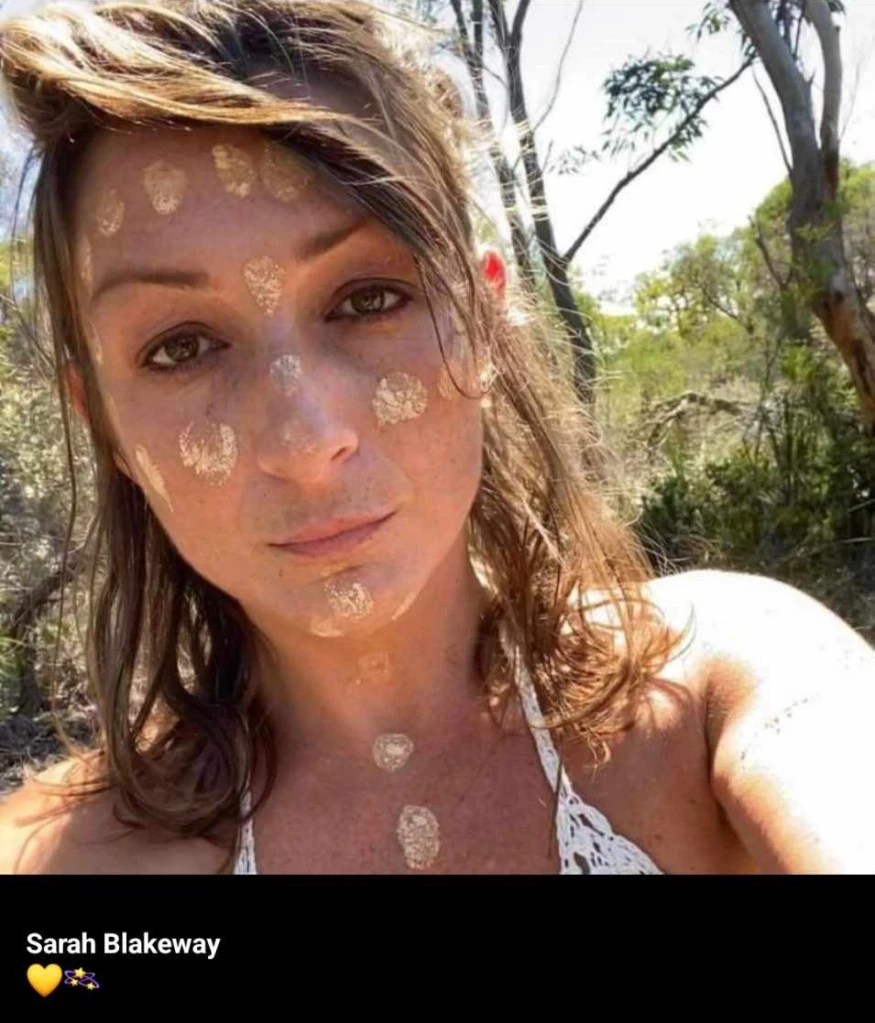
Culturally Safe Reintegration and Indigenous Healing Frameworks
Recovery is possible through critical education, trauma-informed care, and culturally safe reintegration, offering pathways for healing grounded in truth-telling and ethical accountability (from query). The Healing Foundation promotes trauma-aware, healing-informed practice for Stolen Generations survivors, emphasizing community-led healing, self-care resources, and addressing intergenerational trauma caused by colonization (Healing Foundation, n.d.). The Nargneit Birrang Aboriginal Holistic Healing Framework for Family Violence outlines that healing is trauma-informed, building on Aboriginal strengths, cultural knowledge, identity, and connections to spirit, land, culture, community, family, mind, emotions, and body (Victorian Government, 2020). It highlights that overcoming trauma is more likely when approaches are informed by Aboriginal culture and empower individuals to take control of their own healing (Victorian Government, 2020).

Indigenous healing frameworks like Nargneit Birrang offer a model for “culturally safe reintegration” (from query) by emphasizing holistic healing rooted in cultural knowledge, identity, and community connection (Victorian Government, 2020). This directly counters the cult’s tactics of isolation and cultural erosion, providing a decolonial approach to recovery (Victorian Government, 2020). If cults cause “cultural disorientation” and “fractured kinship ties” (from query), then recovery must address these specific harms (Cooke, 2025d).

The Nargneit Birrang framework’s focus on “reconnecting with culture, strengthening identity, restoring safe and enduring relationships” (Victorian Government, 2020) and “strengthening connections to: spirit; land; culture; community; family and kinship; mind and emotions; and body” (Victorian Government, 2020) provides a comprehensive, culturally-grounded pathway for healing that directly counteracts the cult’s destructive impacts on Indigenous identity and community (Victorian Government, 2020).
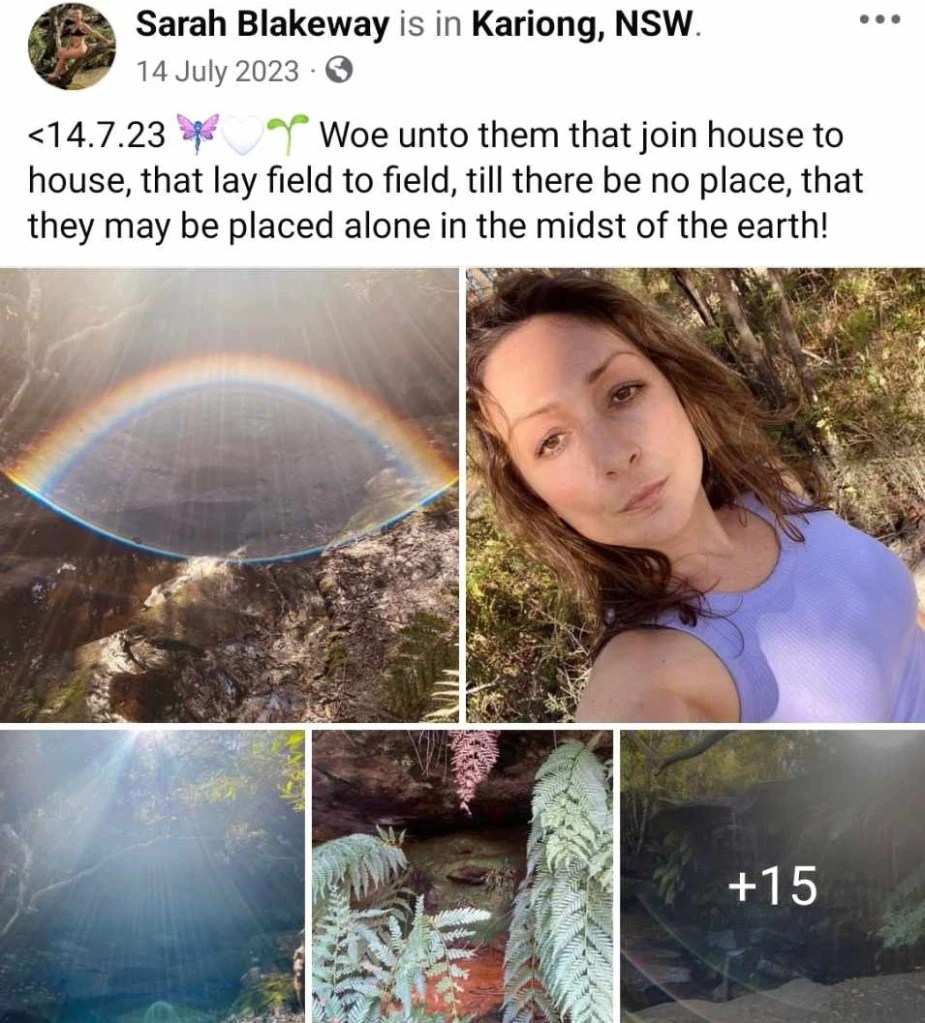
The emphasis on “community-led, culturally appropriate trauma-informed interventions from skilled staff” (Victorian Government, 2020) within Indigenous healing frameworks points to the critical need for Indigenous self-determination in the design and delivery of recovery services (Victorian Government, 2020). This ensures that healing processes are not recolonizing but are empowering and culturally relevant.

8. Institutional and Community Roles in Accountability and Prevention
Recovery from cultic harm is not solely an individual process but also a communal and institutional responsibility. Addressing the systemic issues that enable settler cults is paramount for fostering widespread healing and preventing future harm.
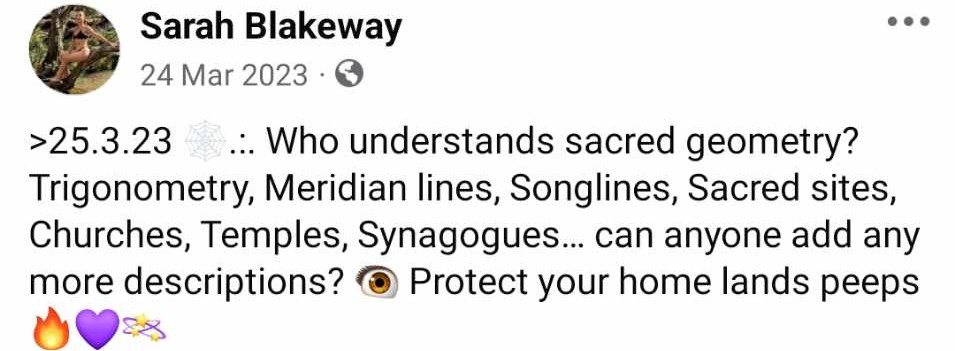
Addressing Institutional Complicity and Ethical Due Diligence
Institutions too often inadvertently reinforce harm by endorsing groups that appear community-minded or spiritually enriched without adequate scrutiny (from query). Hornsby Shire Council’s repeated platforming of the GuriNgai group, including through official heritage assessments and cultural liaison roles, has contributed to the perceived legitimacy of an organization founded on identity fraud (Hornsby Shire Council, 2020). Similarly, Coast Community News has consistently elevated the Coast Environmental Alliance’s campaigns without scrutiny, reinforcing harmful narratives about Aboriginal land councils (from query). These actions underscore how institutional complicity can legitimize cultic actors and intensify harm to both former members and Aboriginal communities (from query). Acknowledging and addressing these specific instances is critical to building accountability and fostering healing.

Too often, institutions inadvertently reinforce harm by endorsing groups that appear community-minded or spiritually enriched without adequate scrutiny. A local council that partners with a charismatic leader claiming cultural authority, or a school that hosts workshops led by an identity-fraudulent group, may believe they are supporting reconciliation or sustainability, yet unwittingly compound the trauma experienced by Aboriginal communities and misled participants.
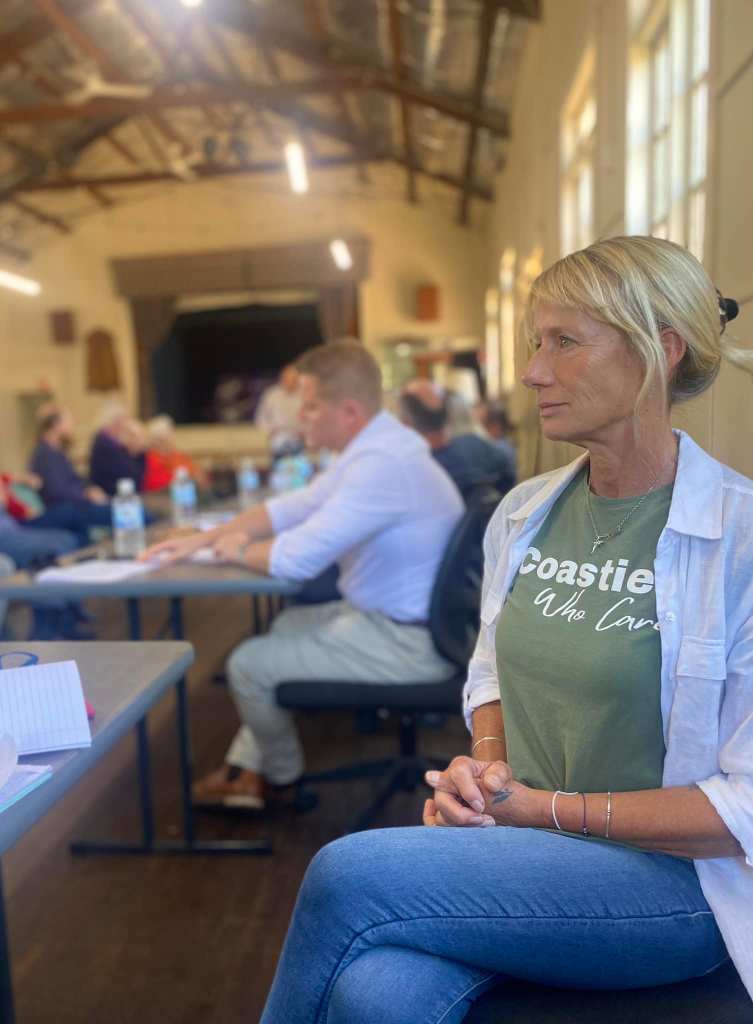
Recognizing this complicity and its emotional toll is the first step toward meaningful redress. Organizations that platform, fund, or collaborate with the GuriNgai or CEA must engage in self-reflection and accountability, acknowledging the emotional toll their actions have had on both former members, who may feel betrayed and manipulated, and on Aboriginal communities, whose cultural sovereignty and identity have been undermined.

The “Australian Best Practice Guide to Collecting Cultural Material” (Australian Institute of Aboriginal and Torres Strait Islander Studies, 2020) provides a concrete framework for institutional due diligence that, if applied broadly, could directly counter the legitimization of groups like GuriNgai.

This shifts accountability from individual deception to systemic failures in vetting cultural claims. The guide outlines principles requiring legal title, established provenance, authenticity, and close consultation and collaboration with Traditional Owners (Australian Institute of Aboriginal and Torres Strait Islander Studies, 2020). Institutions must not acquire or borrow material obtained in violation of laws or through illicit means (Australian Institute of Aboriginal and Torres Strait Studies, 2020).

The existence of detailed guidelines for “ethical standards and legal requirements” (Australian Institute of Aboriginal and Torres Strait Islander Studies, 2020) and “consultation and collaboration with Traditional Owners” (Australian Institute of Aboriginal and Torres Strait Islander Studies, 2020) means that institutions possess the tools to prevent platforming fraudulent groups. Their failure to apply these standards to GuriNgai indicates a systemic lapse or selective application, making them complicit.
Furthermore, the emphasis on “free, prior and informed consent” (Australian Human Rights Commission, 2013) and “self-determination” (Victorian Government, 2020; UN General Assembly, 2007) in government engagement guidelines provides a clear ethical and operational blueprint for preventing future institutional complicity with pseudo-Indigenous groups (Australian Human Rights Commission, 2013).

This framework mandates genuine partnership with legitimate Indigenous bodies (Australian Human Rights Commission, 2013). If government engagement with Indigenous communities must be based on “free, prior and informed consent” and Indigenous peoples have the “right to choose their own representatives” (Australian Human Rights Commission, 2013), then any engagement with groups lacking community recognition (like GuriNgai) is a direct violation of these best practices (Cooke, 2025d). This provides a strong basis for demanding systemic reform and accountability from institutions.
The case of the GuriNgai identity fraud also exposes how media and government institutions, often inadvertently, contribute to the problem (Cooke, 2025d). In the early stages of the GuriNgai group’s rise, local media outlets on the Central Coast and northern Sydney frequently ran human-interest stories featuring self-proclaimed GuriNgai elders (Cooke, 2025d).
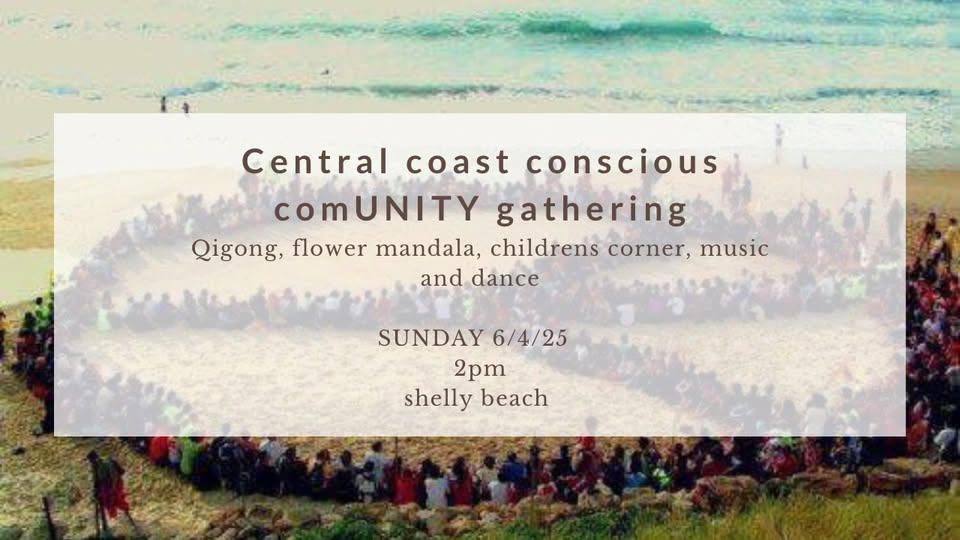
These stories — usually intended to celebrate Indigenous culture — failed to fact-check the credentials of their subjects (Cooke, 2025d). Newspapers and radio gave airtime to individuals simply because they presented themselves as Aboriginal cultural figures, complete with traditional titles like “Uncle” or “Aunty,” and compelling personal narratives (Cooke, 2025d).

The lack of due diligence can be attributed in part to a well-meaning but naive ethos of “respect” in which journalists and officials are hesitant to question someone’s Indigenous identity for fear of being seen as racist or impolite (Cooke, 2025d). This created an environment ripe for exploitation (Cooke, 2025d).

The GuriNgai claimants became locally famous as representatives of Aboriginal culture, which in turn led schools, councils, and even state agencies to consult them on matters of cultural heritage and land management (Metropolitan LALC, 2020; Cooke, 2025d). In effect, media validation led to institutional validation, forming a feedback loop that entrenched the false identity (Cooke, 2025d).
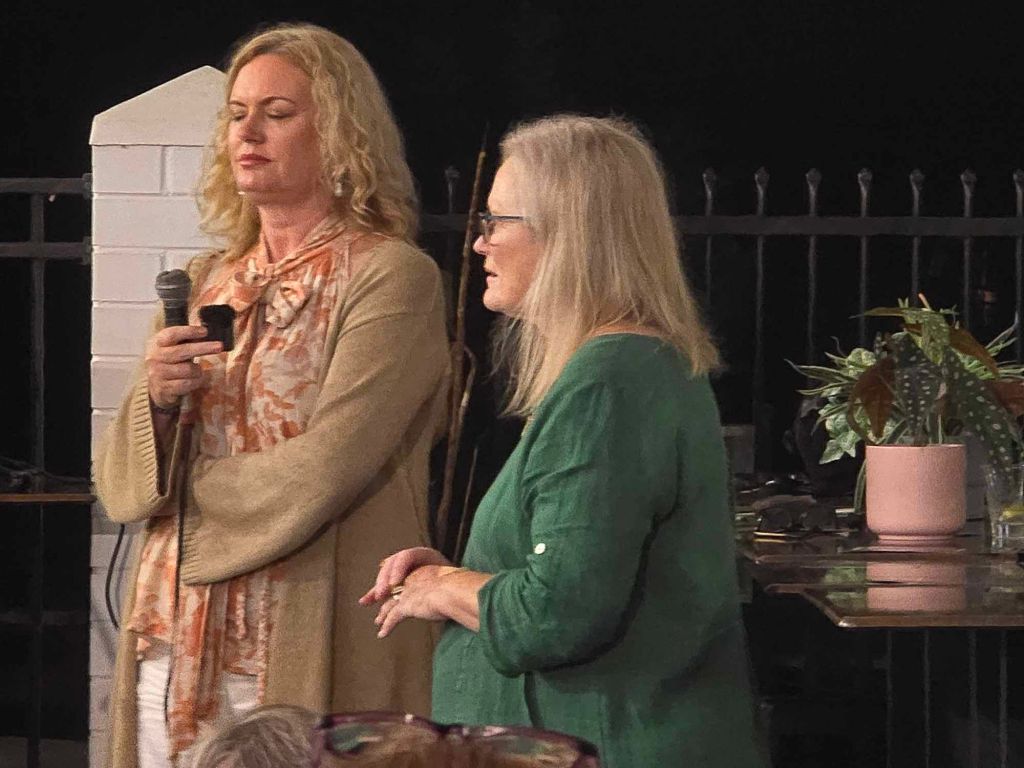
Government complicity was often a sin of omission rather than commission (Cooke, 2025d). Prior to 2020, there was no clear protocol in New South Wales for government bodies to verify the authenticity of someone presenting as an Aboriginal elder or knowledge-holder outside of formal Native Title processes (Cooke, 2025d).

Local councils, for example, might rely on word-of-mouth or the presence of an Aboriginal-sounding organization name (e.g., a “Guringai Tribal Council”) as sufficient proof (Cooke, 2025d). In the Central Coast scenario, the imposters formed incorporated associations and companies with names suggesting Indigenous status, and some even obtained small grants or payments for delivering “cultural awareness” workshops and Welcome to Country performances (Cooke, 2025d).

This not only diverted resources away from genuine Indigenous communities, but also gave a veneer of official legitimacy to the fraudsters (Cooke, 2025d). It was only after strong advocacy by legitimate Aboriginal bodies – such as the letter from seven LALCs to the NSW Premier – that the State apparatus began to pull back its recognition (Metropolitan LALC, 2020; Cooke, 2025d). This reactive response highlights that existing government frameworks were ill-equipped to preempt such fraud (Cooke, 2025d).

Public Education Campaigns: Demystifying Cultic Tactics and Cultural Authority
Public education campaigns that demystify cultic tactics and explain the criteria for Aboriginal cultural authority can help prevent future recruitment and support exit.

These might include social media resources, community info sessions, or high school programs addressing the difference between cultural leadership and cultural appropriation (from query). Just as anti-cult movements have long advocated for exit counseling and preventative education, so too must there be a concerted effort to support those leaving settler-spiritual cults masquerading as Indigenous groups or environmental movements (from query).
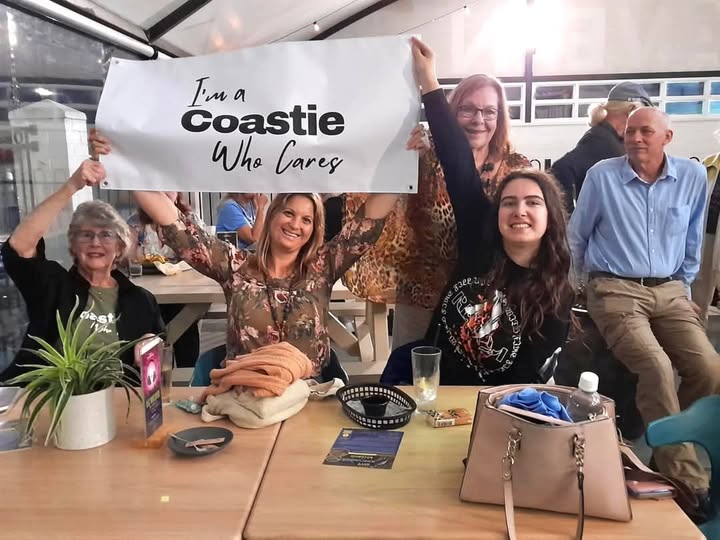
A Victorian parliamentary committee is currently overseeing an inquiry into cult recruitment methods and impacts, considering whether coercive control should be criminalized (SBS News, 2025; Victorian Parliament, 2024). Public submissions and anonymous questionnaires are part of this inquiry (SBS News, 2025; Victorian Parliament, 2024).
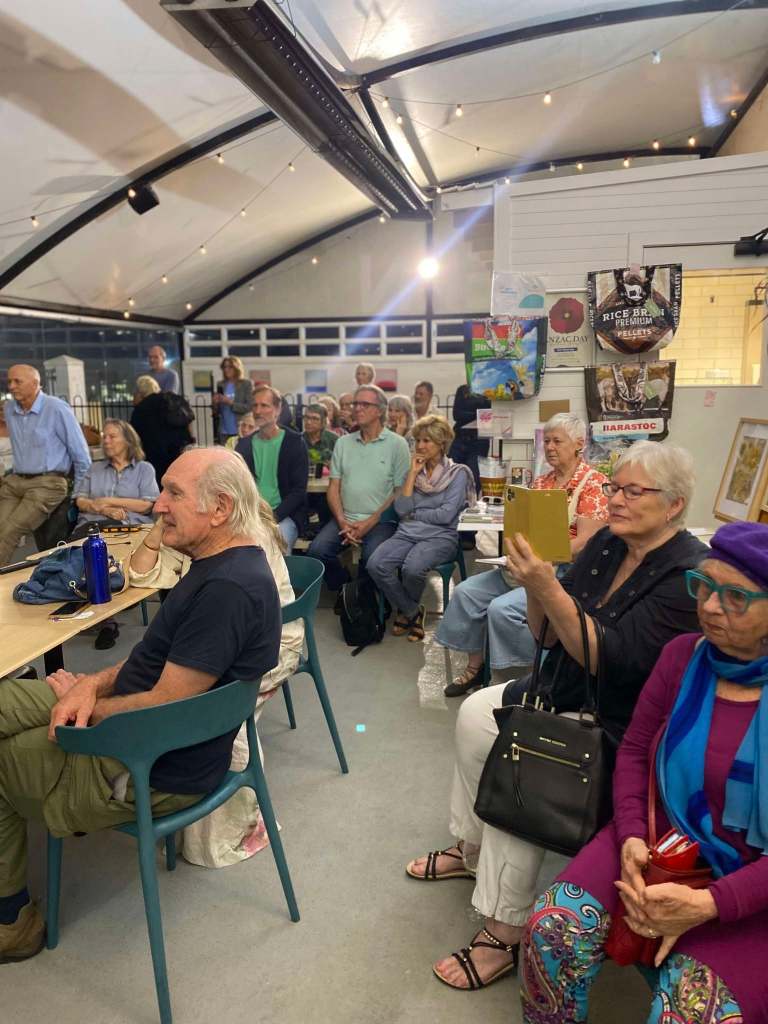
This signals a growing governmental recognition of cultic harm as a societal problem requiring legal and policy intervention, beyond individual psychological issues (SBS News, 2025; Victorian Parliament, 2024). This represents a potential shift towards greater accountability for cults (SBS News, 2025). The inquiry’s focus on “coercive behaviours” and “whether they amount to coercion that should be criminalized” (SBS News, 2025; Victorian Parliament, 2024) indicates a move towards legal accountability (SBS News, 2025). This is a significant development beyond just offering recovery services; it addresses the root cause of the harm through legal reform, impacting how cults operate and are perceived publicly.
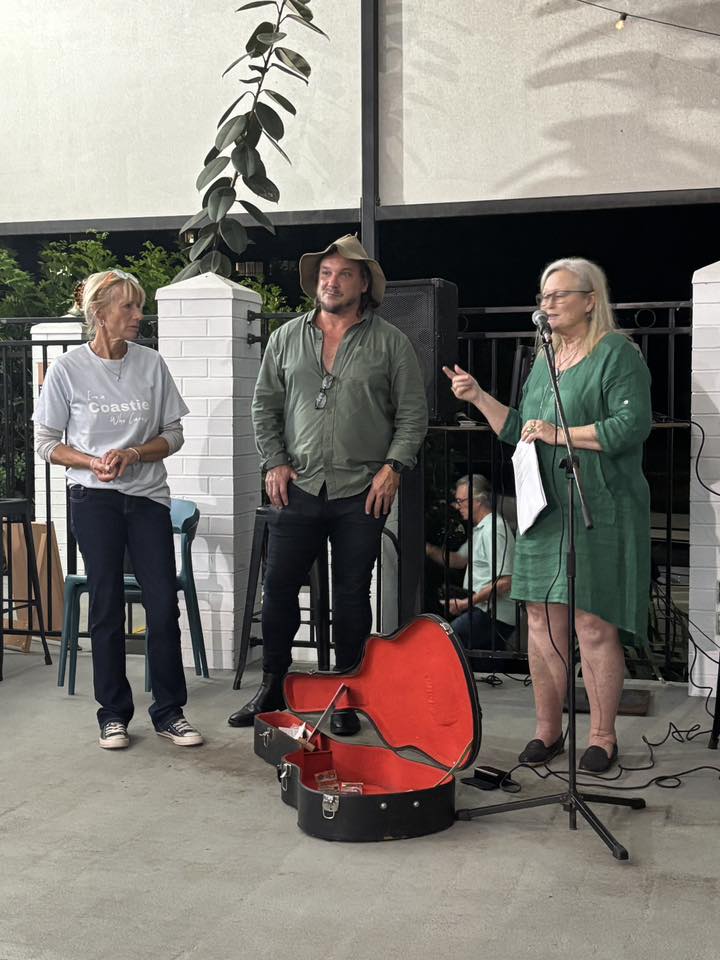
Public education campaigns, particularly in schools (Department of Education, 2023; Victoria University, 2022), can serve as a proactive preventative measure against cult recruitment by fostering critical thinking and cultural literacy (Department of Education, 2023; Victoria University, 2022). By teaching the difference between authentic cultural authority and appropriation, these programs can inoculate individuals against manipulative tactics (Department of Education, 2023; Victoria University, 2022).
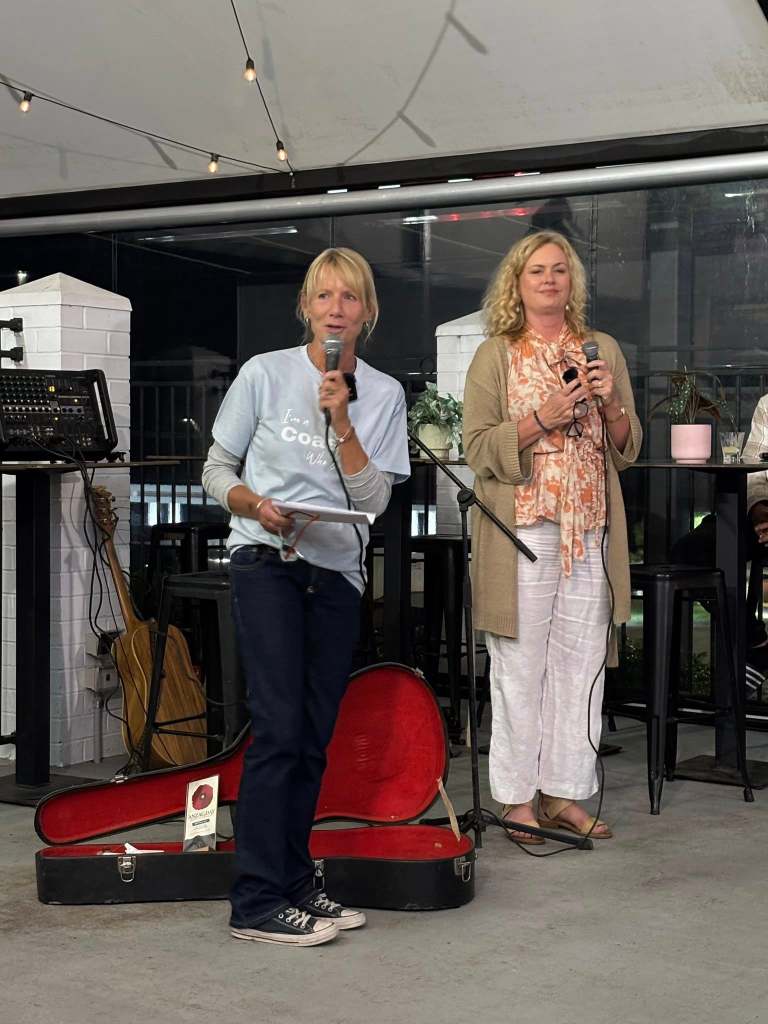
The suggestion for “high school programs addressing the difference between cultural leadership and cultural appropriation” (from query) aligns with existing anti-racism school programs that aim to build “cultural capability” and challenge “stereotypes” (Department of Education, 2023; Victoria University, 2022).
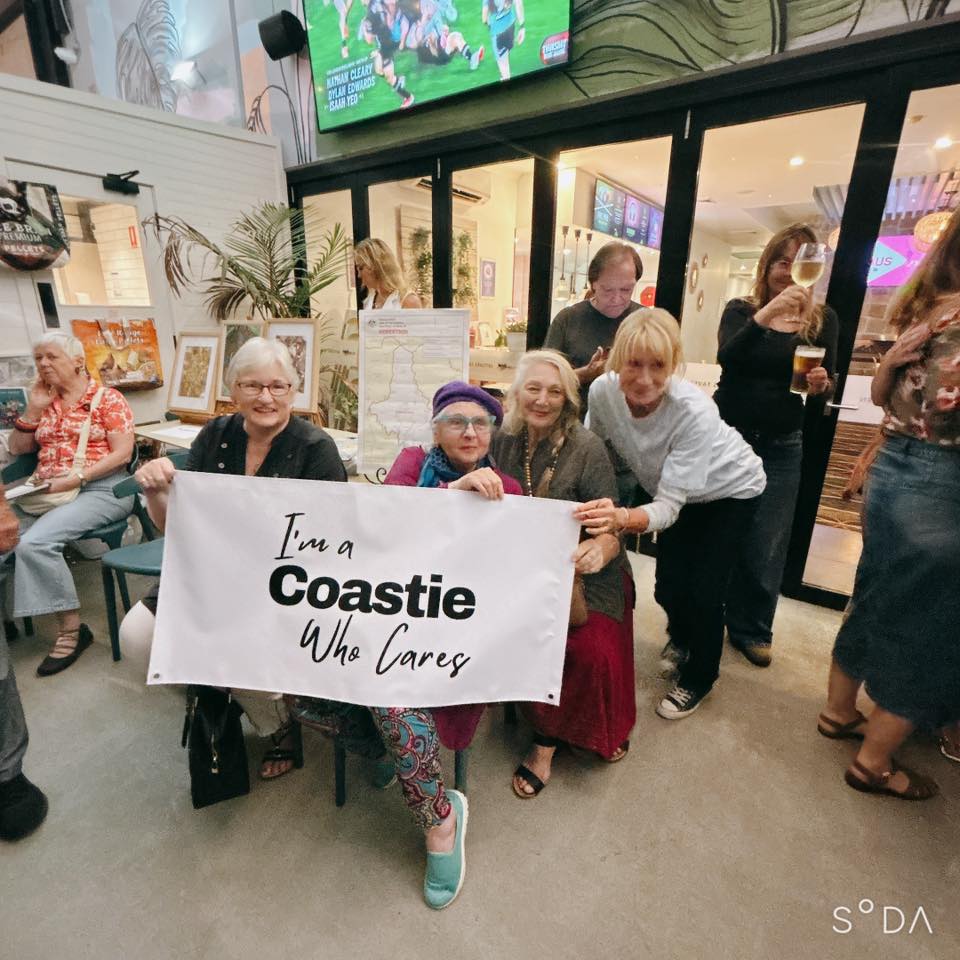
This indicates a pathway for integrating education on pseudo-Indigenous groups into existing frameworks, empowering youth to critically assess claims and resist manipulation. Education systems must embed critical literacy on conspiracy theory, settler-colonial ideology, and the history of spiritual appropriation (Cooke, 2025e).

Best Practices for Government and Media Engagement with Authentic Indigenous Communities
Settler allies and former members must understand that Aboriginal communities are not responsible for their recovery, nor obligated to extend trust without meaningful action (from query). Engagement should be grounded in a long-term commitment to unlearning colonial behaviors, listening without defensiveness, and contributing to reparative processes led by Aboriginal people (from query).
The MEAA Journalist Code of Ethics (Media Entertainment and Arts Alliance, n.d.) and the Black Dog Institute’s “Good Yarn Guidelines” (Black Dog Institute, n.d.) provide comprehensive standards for culturally safe, accurate, and ethical reporting on First Nations issues (Black Dog Institute, n.d.; Media Entertainment and Arts Alliance, n.d.).
These guidelines emphasize the inclusion of Indigenous voices, diversity of perspectives, historical accuracy, and avoiding stereotypes and hate speech (Black Dog Institute, n.d.; Media Entertainment and Arts Alliance, n.d.). They stress the importance of respecting cultural protocols and seeking permission (Black Dog Institute, n.d.).
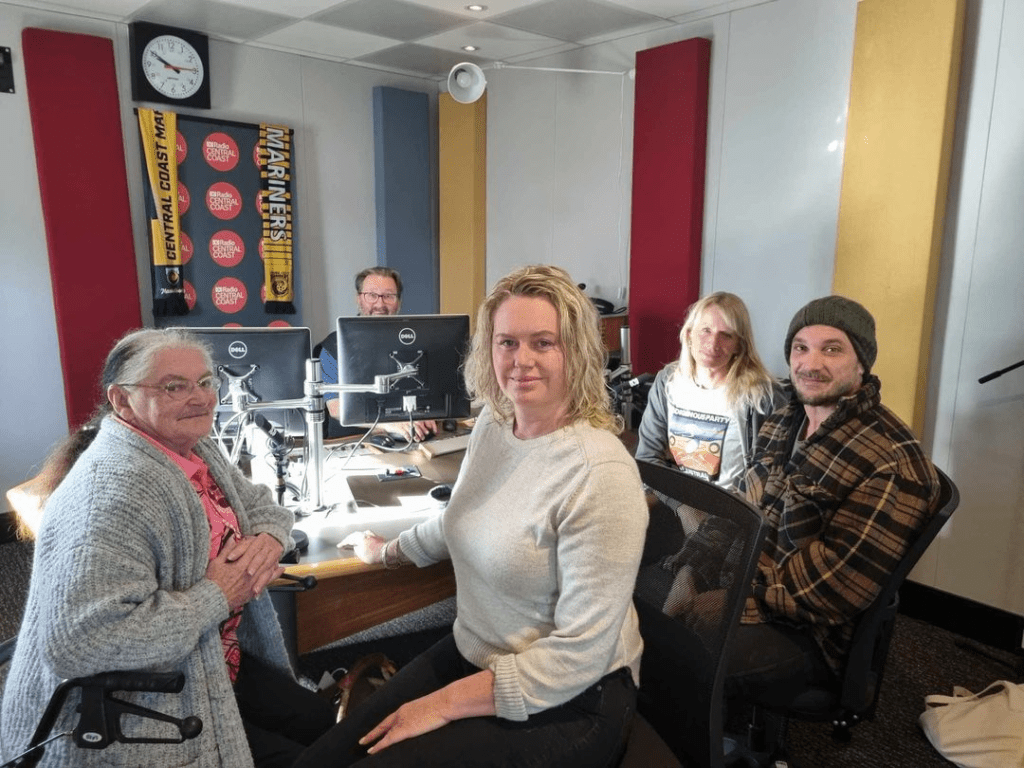
The comprehensive “Good Yarn Guidelines” and MEAA Code of Ethics provide a ready-made framework for ethical media scrutiny of pseudo-Indigenous groups (Black Dog Institute, n.d.; Media Entertainment and Arts Alliance, n.d.). The current failure of media (e.g., Coast Community News) to apply these standards contributes to the legitimization of cults and the harm to authentic communities (from query).

The discrepancy between these best practices and actual media reporting highlights a significant gap that needs to be addressed for accountability. Mainstream and independent media outlets—including Coast Community News—must cease the uncritical amplification of false Aboriginal narratives and instead adopt journalistic standards that center authentic cultural authority (Cooke, 2025d).

This includes verifying genealogical claims before platforming cultural spokespersons, including commentary from LALCs or First Nations scholars when reporting on contested claims, and avoiding language that legitimizes fabricated groups without acknowledging the absence of legal or historical basis (Cooke, 2025d).

Cult Recovery and Support Services
Given the documented psychological manipulation used by GuriNgai and CEA (see Hassan, 2015; Lalich, 2004), there is a clear need for cult recovery services specifically tailored to individuals exiting settler-conspiritualist environments. This support must include:
Trauma-informed counselling grounded in decolonial and culturally safe frameworks (Psychology Today, 2024; The Religious Trauma Collective, n.d.; Victorian Government, 2020).
Peer-led recovery groups facilitated by cult survivors and cultural mentors (Matthews, 2012; Psychology Today, 2024).
Public rehabilitation campaigns that affirm the legitimacy of leaving high-control spiritual or conspiracist groups, while offering pathways to reconnect with truth, community, and healing (Psychology Today, 2024).
Aboriginal-Led Oversight and Policy Development
All policy development in this space must be led by Aboriginal people and organizations with demonstrable cultural legitimacy and community accountability (Australian Human Rights Commission, 2013; UN General Assembly, 2007). This includes:
Funding and resourcing for Aboriginal-led investigations into identity fraud, with outcomes feeding into government policy (Fforde et al., 2021).
Empowering LALCs and Aboriginal peak bodies to maintain accurate registers of legitimate cultural knowledge holders and community genealogies, protected by strict data sovereignty protocols (Cooke, 2025d; National Native Title Council, 2021).
Legislating mechanisms for Aboriginal communities to challenge false claims and receive formal redress, including the reallocation of resources and the removal of inauthentic claimants from boards, committees, or grant recipients (Fforde et al., 2021).
Table 2: Comparison of Legitimate vs. Pseudo-Indigenous Cultural Authority in Australia
Criterion for Authority
Characteristics of Legitimate Aboriginal Authority (Cooke, 2025d; Darkinjung LALC, 2023; Victorian Government, 2020; Australian Institute of Aboriginal and Torres Strait Islander Studies, 2020; Australian Human Rights Commission, 2013; UN General Assembly, 2007; National Native Title Council, 2021)
Characteristics of Pseudo-Indigenous Claims (Cooke, 2025d; Kwok, 2015; Lissarrague & Syron, 2024; Fforde et al., 2021; Deloria, 1998)
Ancestry/Kinship
Grounded in verifiable ancestry, kinship systems, and lived experience; community-recognized descent.
Self-declared identity; no known descent, community recognition, or cultural continuity; fabricated ancestry claims (e.g., “escaped records”).
Community Recognition
Recognized and affirmed by established Aboriginal communities, Elders, and Land Councils (e.g., Darkinjung LALC).
Lacks recognition from legitimate Aboriginal communities; actively displaces or silences authentic voices.
Cultural Continuity/Law
Maintains unbroken connection to traditional law, customs, and cultural practices; knowledge passed down through generations.
Misappropriates Aboriginal motifs, spiritual language, and activist rhetoric; distorts cultural truth; performs Indigeneity without genuine practice.
Land Connection
Custodianship rooted in deep, historical, and spiritual connection to specific Country; only traditional custodians can speak for and welcome visitors to their homelands.
Falsely asserts custodianship over Country to which they have no biological or cultural claim; uses fabricated ethnonyms (e.g., “GuriNgai” for Sydney region).
Decision-Making Process
Community-led decision-making; based on Free, Prior, and Informed Consent; collective governance.
Individual authority derived from perceived spiritual access or charisma; centralized authority; discourages dissent and critical inquiry.
Purpose of Engagement
Focus on collective well-being, sovereignty, self-determination, and genuine reconciliation; addressing historical injustices.
Exploitation for personal/ideological gain, financial benefits, media platforms, and institutional partnerships; reassertion of settler control.
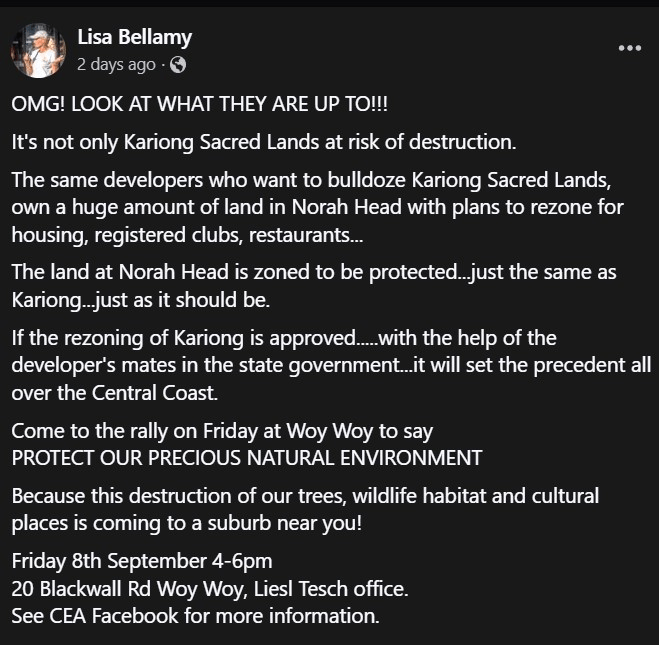
9. Conclusion: Reclamation, Responsibility, and a More Truthful Future
The GuriNgai and Coast Environmental Alliance exemplify the modern cult not in a theatrical sense but in their structural manipulation, charismatic authority, and exploitation of cultural narratives for personal and ideological gain (from query). These groups inflict profound individual, interpersonal, and socio-political harms, perpetuating patterns of Indigenous displacement and cultural appropriation under the guise of spiritual or environmental activism.

As the literature on cult exit and recovery makes clear, departure from such high-control groups is only the beginning of a complex and challenging journey (from query). Healing requires sustained support, critical education, relational restoration, and a profound reckoning with the past (from query).

Successful recovery pathways may include participation in decolonial education workshops (Indigenous Peoples’ Centre, 2019), guided cultural competency training, trauma-informed therapy, storytelling circles, and sustained engagement with community-led truth-telling initiatives (from query), as documented in several Indigenous healing programs.
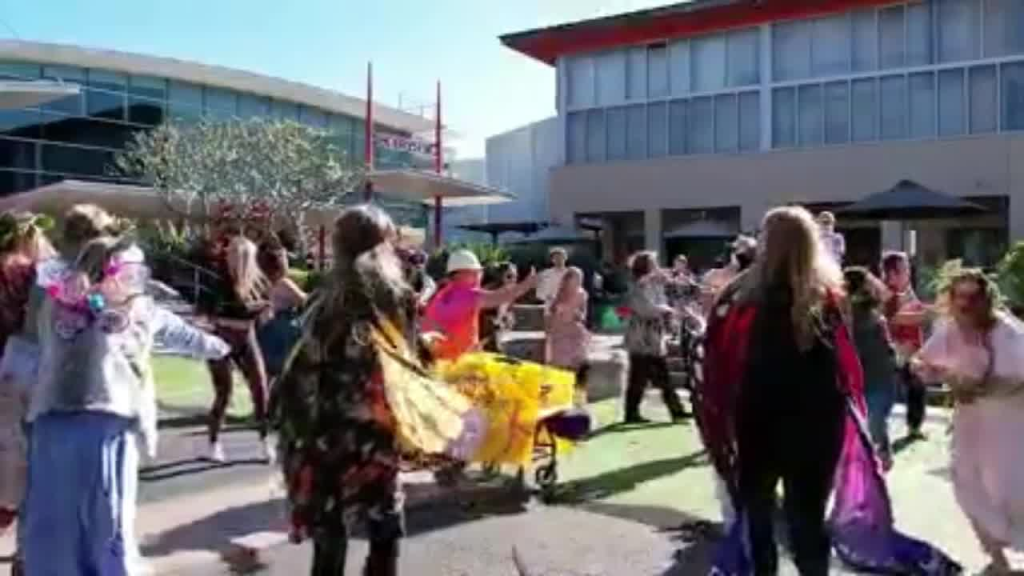
These practices offer more than mere recovery; they open space for renewed relationships, ethical reorientation, and cultural renewal. The concept of “reclamation” implies that recovery is not just about individual healing but also about the restoration of collective Indigenous sovereignty and cultural integrity that was undermined by settler cults.
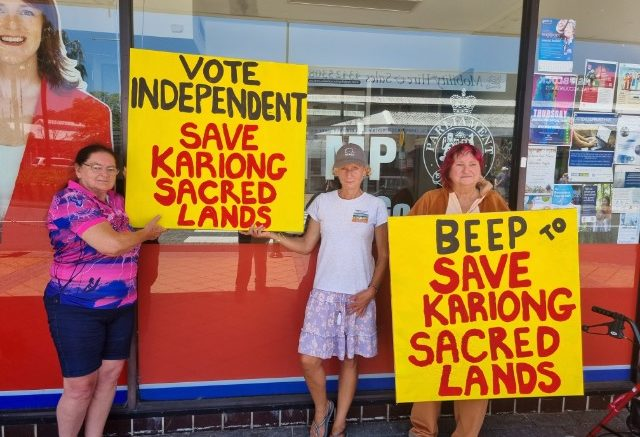
This links individual recovery to broader decolonial efforts, emphasizing a collective process of restoring what was stolen or distorted—cultural identity, authority, and truth.
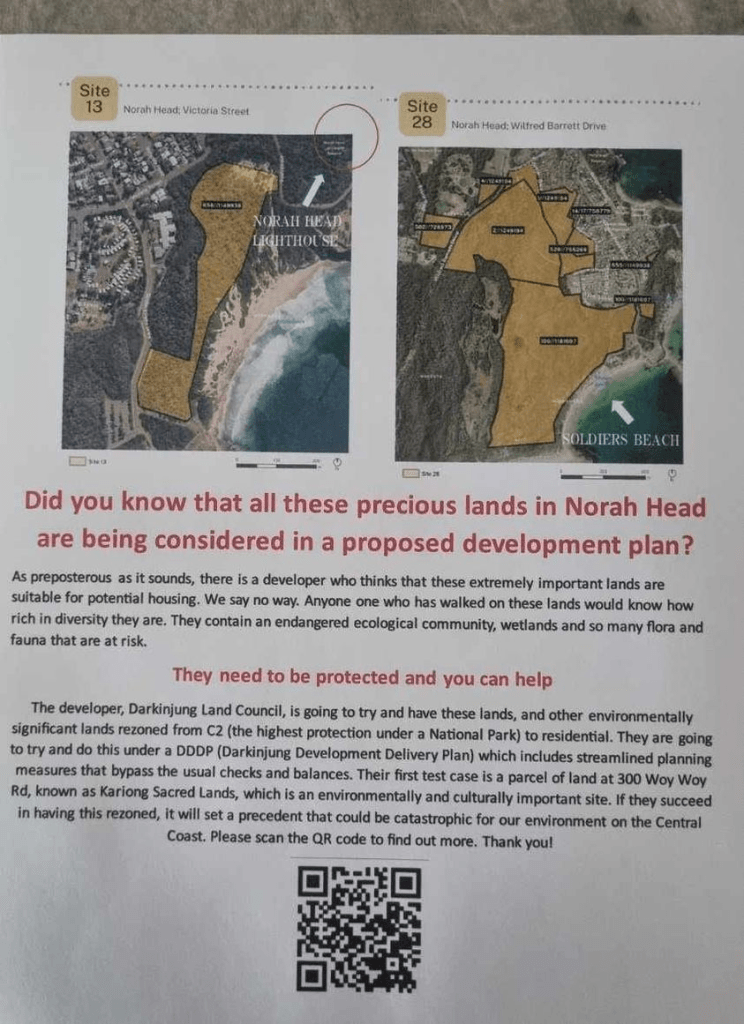
For those who have been entangled in these groups—whether out of spiritual longing, activist conviction, or settler confusion—the journey back to self, truth, and community is possible (from query).

Crucially, for those institutions that empowered these cultic formations, accountability must be an integral part of the broader recovery process (from query). This includes applying rigorous due diligence, adhering to ethical engagement guidelines with authentic Indigenous communities, and fostering public education to prevent future identity fraud and cultural appropriation.

The UN Declaration on the Rights of Indigenous Peoples (UNDRIP), Article 33, affirms the right of Indigenous Peoples to determine their own identity and membership (UN General Assembly, 2007), providing a clear standard for ethical conduct and a pathway towards a more truthful and respectful future for all.

The rise of settler conspirituality in Australia, exemplified by Jake Cassar and the Coast Environmental Alliance (CEA), signals a troubling convergence of spiritual appropriation, conspiratorial populism, and settler-colonial resurgence (Cooke, 2025e).
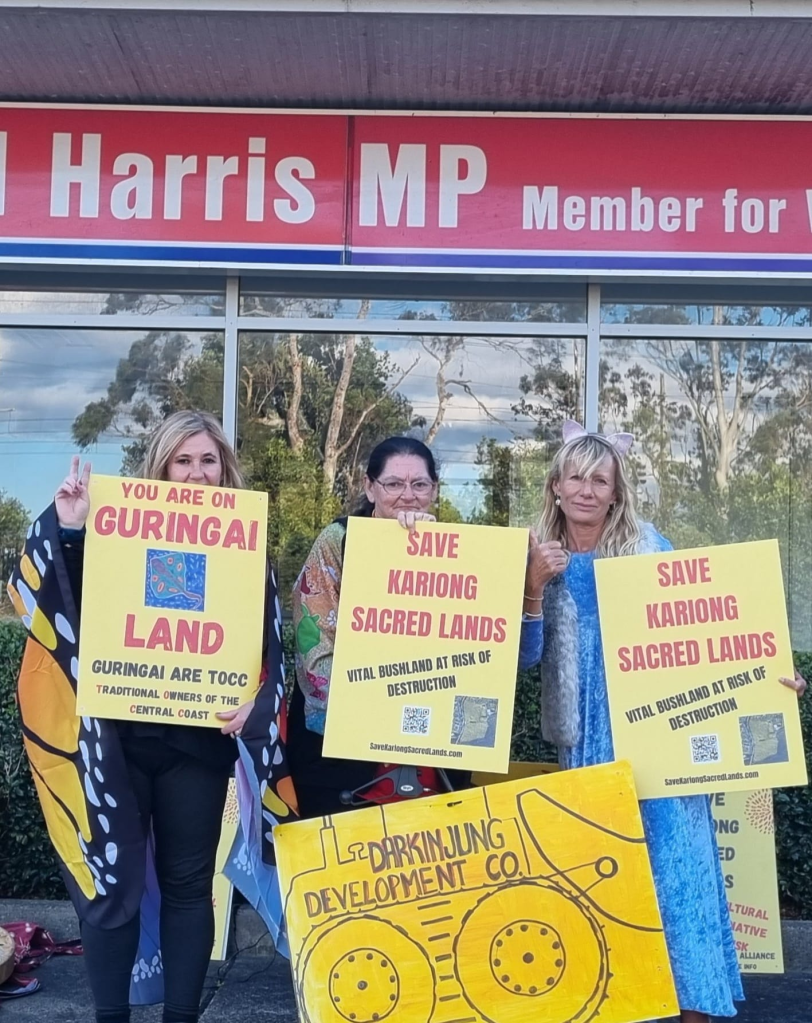
These movements cloak settler resistance to Aboriginal sovereignty in the language of sacred stewardship, ecological concern, and emotional authenticity (Cooke, 2025e). Their power lies not merely in narrative but in affect—in the capacity to bind communities through shared rituals of grief, wonder, and moral outrage (Cooke, 2025e).

This article has traced how settler conspirituality operates as a political theology of white possession, remaking colonial entitlement as spiritual duty (Moreton-Robinson, 2015; Cooke, 2025e).
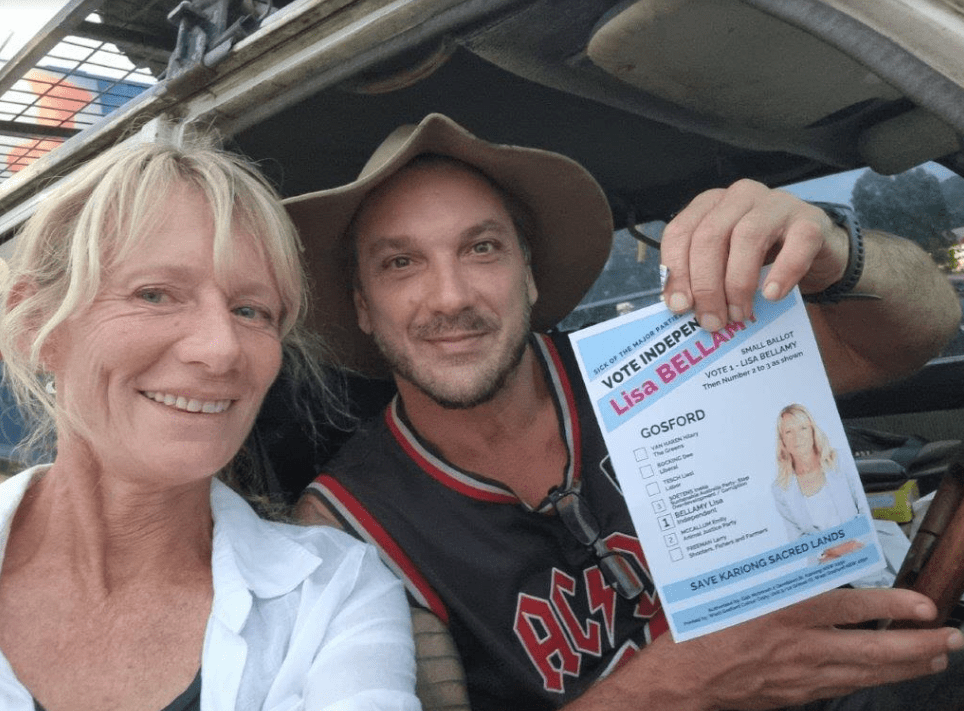
Through social media spectacle, charismatic leadership, and the strategic mimicry of Aboriginal cultural authority, movements like CEA displace Indigenous governance while masquerading as its protector (Cooke, 2025e). They weaponize emotional sincerity, pseudo-ceremony, and mythic narrative to construct a settler spiritual imaginary in which land becomes sacred not because of its custodial history, but because of the settler’s awakened feeling (Cooke, 2025e).
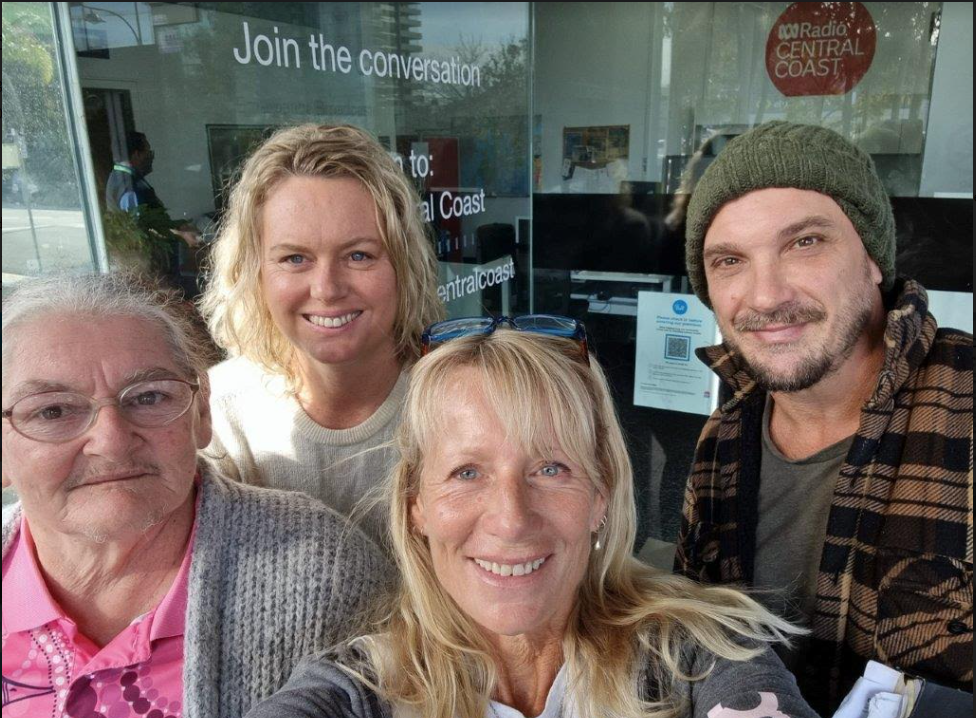
Cassar’s mobilization of bushcraft masculinity, ancestral myth, and sacred mission exemplifies what Renner et al. (2023) describe as “apocalyptic manhood,” a gendered fantasy of crisis-driven heroism that reclaims land through affective domination (Renner et al., 2023; Cooke, 2025e).
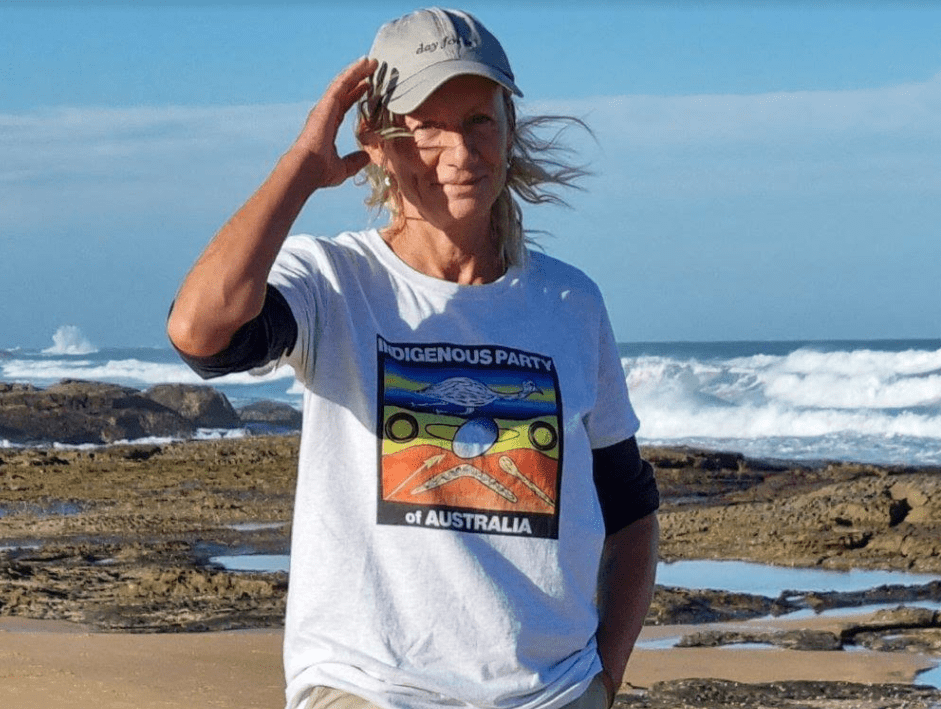
The CEA’s deployment of maternalist, romanticized, and therapeutic discourse echoes longstanding tropes of white spiritual nationalism and what Assaf (2011) termed “white shamanism” (Assaf, 2011; Cooke, 2025e).

These dynamics illustrate the entrenchment of post-truth populism (Kalpokas, 2018) in contemporary settler environmental resistance, where subjective feeling is privileged over cultural legitimacy and legal recognition (Cooke, 2025e). Together, these processes form a politically potent affective infrastructure that displaces Aboriginal sovereignty with settler belonging (Cooke, 2025e).
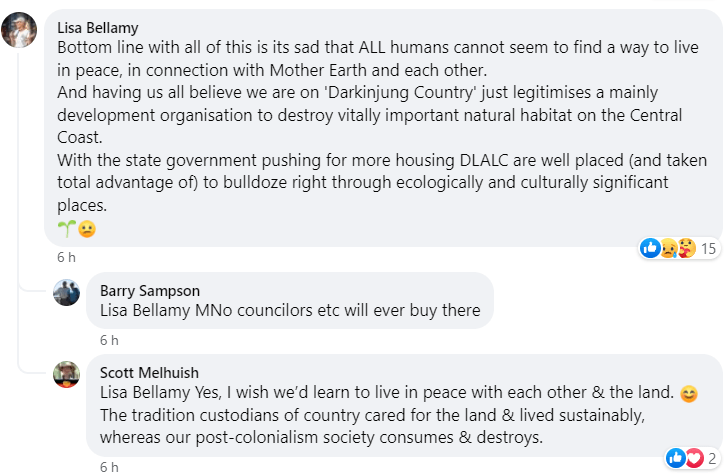
To reckon with settler conspirituality requires more than exposing false claims or correcting historical distortions. It demands a structural and cultural response (Cooke, 2025e). First, public institutions must be trained to recognize and reject settler mimicry (Cooke, 2025e).
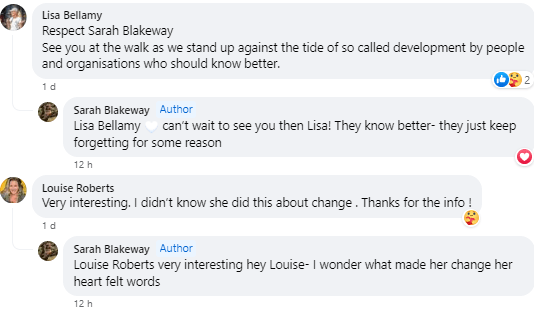
Heritage authorities, planning bodies, media organizations, and education departments need protocols for verifying Aboriginal authority, consulting lawful custodians, and challenging symbolic appropriation (Cooke, 2025e).
Historical precedents such as the Hindmarsh Island Bridge controversy or resistance to Native Title rulings in Western Queensland reveal that settler resistance often adopts spiritual or ecological frames to reassert colonial control (Cooke, 2025e).

Second, affective counter-publics must be amplified (Cooke, 2025e). Initiatives like the Uluru Statement from the Heart, Wangan and Jagalingou’s cultural law assertions, First Nations Digital Media Trusts, Yarning Justice, and land-based cultural healing programs offer emotionally resonant, sovereign-centered alternatives (Cooke, 2025e).

These are not just policy interventions; they are emotional infrastructures rooted in Indigenous law, kinship, and survival (Cooke, 2025e).
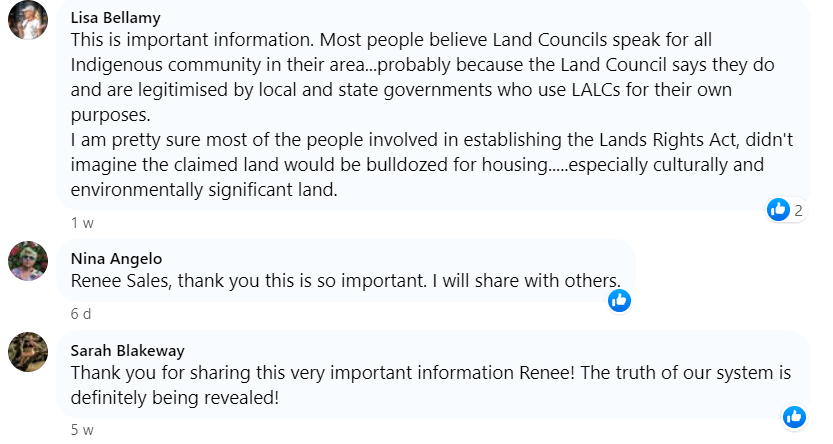
Third, education systems must embed critical literacy on conspiracy theory, settler-colonial ideology, and the history of spiritual appropriation (Cooke, 2025e).

This includes curriculum reforms aligned with frameworks such as digital misinformation literacy programs that equip students to discern between cultural respect and appropriation, between emotion and epistemic legitimacy, and between settler fantasy and Indigenous reality (Cooke, 2025e).
Finally, reckoning with settler conspirituality demands ethical courage: to listen to Aboriginal critique, to cede space, to resist the seductions of settler innocence, and to center Indigenous law as the guiding authority on matters of Country, culture, and ceremony (Cooke, 2025e). Only by confronting the emotional economies of settler resistance can Australia begin to decolonize its spiritual imaginary and honor the sovereign futures of First Nations Peoples (Cooke, 2025e).
JD Cooke
Further reading:
Conspirituality in Australia
The Sovereign Citizen Movement in Australia: Pseudolaw, Cultism, and the Threat to All
Hijacked Sovereignty: The Far-Right Attempts at Appropriation of Aboriginal Resistance
Jake Cassar Bushcraft, QANON, and the Crisis of Conspirituality
Prepping For A Doomsday of His Own Making
The GuriNgai and CEA Are Cults
The ‘Saving Kariong Sacred Lands’ Campaign and the Digital Recolonisation of Aboriginal Authority
A Comprehensive Analysis of the Coast Environmental Alliance (CEA) Facebook Campaigns (2023–2025)
Save Kincumber Wetlands: the Weaponisation of Misinformation
“Appeal to Commonwealth Ombudsman over Kariong development”
Settler Cultism and Charismatic Fraud in the GuriNgai and Coast Environmental Alliance Networks
Echoes of Goolabeen: Settler Conspirituality, Pretendianism, and the Recolonisation of Kariong Sacred Lands
The Vanishing Tribe Reimagined: The GuriNgai, Settler Desire, and the Performance of Indigeneity in Contemporary Australia
Jake Cassar and Coast Environmental Alliance (CEA)
Save Kincumber Wetlands, Coast Environmental Alliance, and the Denial of Aboriginal Sovereignty
Alt-Right Conspiracies and the “Pretendian” Phenomenon in Australia
 A Long Con, Gone on Too Long.
Leave a comment