Faux-Environmental Populism, Indigenous Identity Fraud, and the Cultural Laundering of Extremism in Contemporary Australia

Introduction
This report concerns Jake Cassar, the Coast Environmental Alliance (CEA), the Campfire Collective, and the broader cultural ecosystem that supports settler conspirituality on the Central Coast of New South Wales.

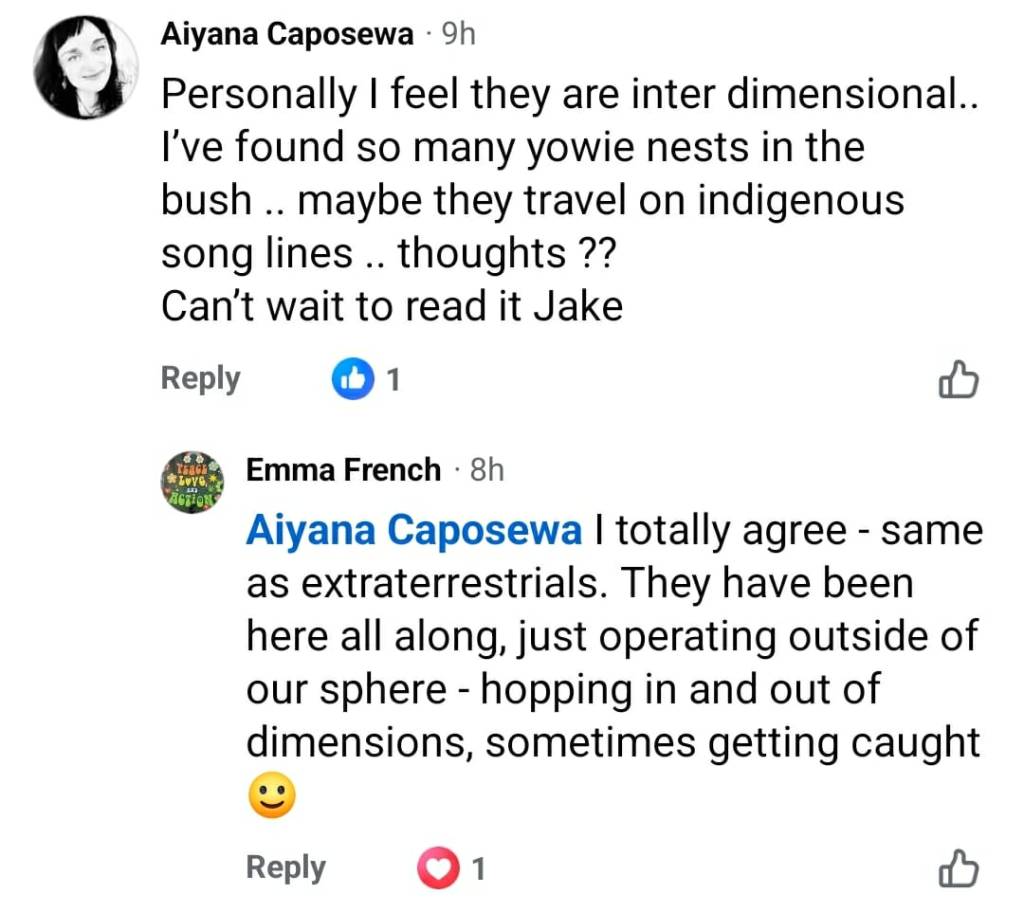
Drawing from detailed reporting on GuriNgai.org and Bungaree.org, and supported by scholarship on conspiracism, ecofascism, narrative ecosystems, and settler colonial theory, this report argues that Cassar’s influence cannot be understood simply as environmental activism or spiritual bushcraft education.

Instead, Cassar operates within a dynamic and evolving matrix of identity fraud amplification, conspiratorial narratives, spiritualised nationalism, anti Aboriginal campaigning, and reputation laundering.

We demonstrate that Cassar’s work functions as a highly effective vehicle for settler conspirituality. This term describes the hybridisation of New Age spirituality and conspiracy theory cultures that scholars have identified as a major driver of anti institutional politics in the post COVID era (Beres et al., 2023; Ward & Voas, 2011).

In Cassar’s case, this fusion is deployed in ways that directly challenge Aboriginal sovereignty, undermine Darkinjung Local Aboriginal Land Council (DLALC), elevate non Aboriginal GuriNgai identity fraud, and launder far right ideas into environmentally themed community discourse.
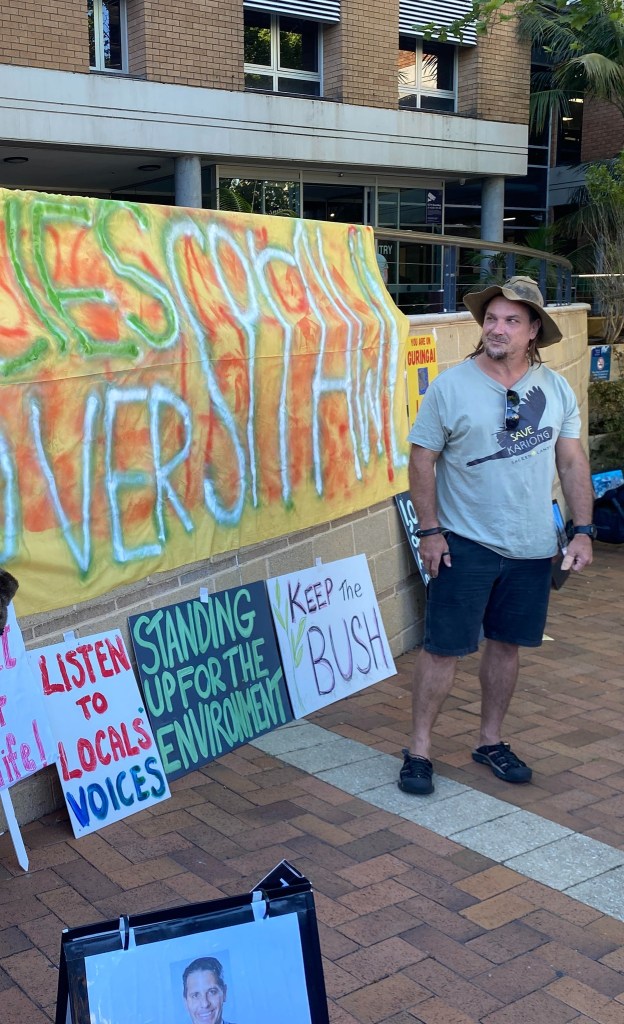
The report proceeds through twelve core sections: Cassar’s public persona; the structure, rhetoric, and tactics of CEA; the attack on Elder Kevin “Gavi” Duncan; Cassar’s partnerships with Coasties Who Care and the Campfire Collective; the use of storywork and mythopoesis; Cassar’s exaggerated claims of popular mandate, including the so called forty thousand supporters; his equivocal response to the March for Australia anti immigration and neo Nazi rallies; the influence of QAnon and broader “freedom” movements; his institutional recognition through the Visitor Economy Awards; and finally, the appearance of his forthcoming book The Cave as a literary extension of the settler custodial fantasy.

The overall conclusion is that Cassar’s significance lies not in his individual charisma but in the way his persona, his organisations, and his allied networks form a narrative ecosystem that normalises conspiracist epistemologies and undermines Aboriginal authority by aestheticising settler claims to land, spirituality, and cultural knowledge.

1. Conspirituality, ecofascism, and the conditions for settler simulation
Ward and Voas (2011) first identified conspirituality as a confluence of alternative spirituality and political conspiracism fused into a single worldview structured around secret knowledge, apocalyptic conflict, and mass awakening. Scholars have since noted that conspirituality now acts as a key driver of digital radicalisation, health misinformation, and climate related denialism (Beres et al., 2023; Halafoff et al., 2022).

In Australia, this convergence has been linked to wellness influencer communities, QAnon activism, and anti government protest groups that flourished during the pandemic (ABC News, 2023; Forberg, 2022).

Contemporaneously, studies of ecofascism have documented how environmental concerns are redirected into racist ideologies that link ecological crisis to immigration, globalisation, and the alleged contamination of land by cultural outsiders (Richards et al., 2022; Earth.org, 2021). Ecofascist narratives sanctify land and purity while demonising perceived others.

Our analysis of settler conspirituality places these trends within the context of Australian settler colonialism (Cooke, 2025a, 2025b, 2025c). Here, non Aboriginal actors adopt spiritualised language about Country, healing, and sacred lands to authorise their interventions into contested political spaces.
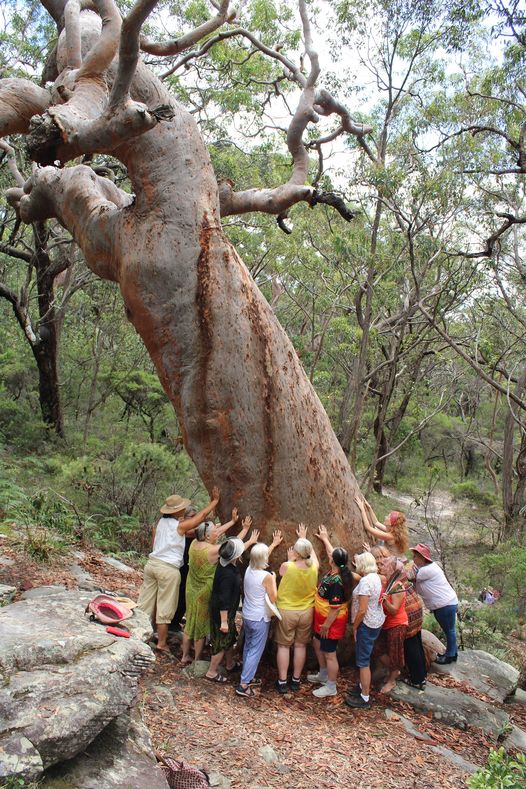
The appropriation of Aboriginal cultural frameworks provides moral legitimacy and spiritual gravitas to settler campaigns that oppose Aboriginal land rights, undermine genuine Aboriginal People, and promote identity fraud.
This framework is crucial for understanding Cassar’s public identity and his influence on Central Coast environmental and cultural politics.
2. Jake Cassar’s persona as bush mystic, conservationist, and spiritual guide
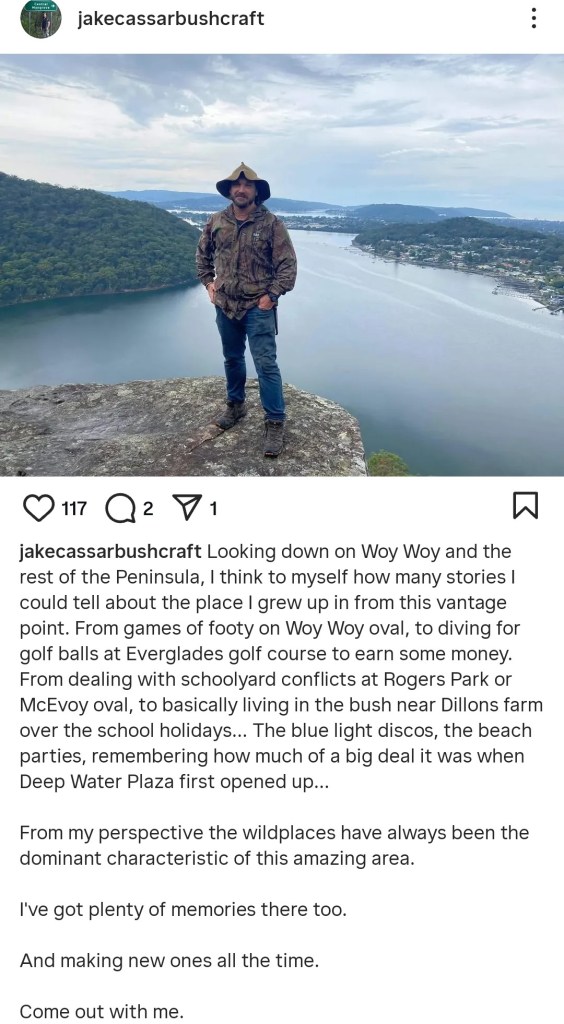
Cassar is widely known across the Central Coast as a bushcraft instructor, wildlife tracker, and youth mentor. Websites such as Love Central Coast and Jake Cassar Bushcraft describe him as a passionate conservationist, community advocate, and fundraiser for social causes. His activities include edible plant walks, medicinal bushcraft classes, charity events, wilderness retreats, and motivational school visits.

However, this persona operates symbolically as well as commercially. Cooke (2025a) shows that Cassar cultivates a mythic self presentation that blends wilderness expertise, spiritual insight, and quasi Aboriginal coded reverence for Country. His narratives frequently describe receiving teachings from the land itself or discovering hidden knowledge within caves, forests, and rock formations.

This mythic posture elevates him above an ordinary environmental campaigner. It situates him instead as a figure of esoteric authority whose relationship to land appears analogous to Indigenous custodianship. As Moreton Robinson (2015) argues, the settler imaginary often produces forms of affective belonging that mimic Aboriginal relationality while ultimately reasserting white possession. In Cassar’s case, his invocation of “sacred lands” and “ancient stories” contributes to a symbolic displacement of Aboriginal authority by situating himself and his followers as more spiritually attuned guardians.

This legitimacy is then mobilised against genuine Aboriginal People and organizations, such as DLALC.
3. Coast Environmental Alliance: environmental populism against Aboriginal sovereignty
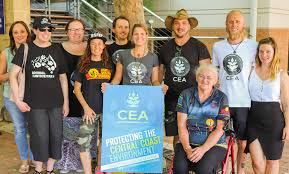
CEA, established under Cassar’s leadership, presents itself as a community environmental protection group. In practice, Cooke (2025a, 2025b) documents that CEA’s campaigns focus overwhelmingly on opposing DLALC projects and Aboriginal controlled developments. Rather than contesting high impact industrial projects or major private developments, CEA directs its energy toward Aboriginal land rights activities, often framing DLALC as corrupt, unrepresentative, or aligned with shadowy government agendas.
Through these strategies, CEA positions itself not merely as an environmental group but as a spiritually ordained resistance movement fighting a hidden battle over truth and land.

4. Cultural harm and the attack on Elder Kevin “Gavi” Duncan
One of the starkest examples of cultural harm occurred in 2025 when CEA and Jake Cassar Bushcraft used Elder Kevin “Gavi” Duncan’s name and image in campaign materials without consent. Cooke (2025d) details how Elder Duncan requested the removal of the content, yet the material remained online. Comments under the posts included disparaging and racist remarks about Aboriginal people.
This incident exemplifies a recurring pattern in settler conspirituality. Aboriginal identity and Eldership become symbolic resources that may be appropriated when convenient but ignored when Aboriginal authority contradicts settler narratives. Refusal to remove the content demonstrates that the symbolic value of Aboriginal presence within Cassar’s movement outweighs actual respect for Aboriginal people or law.
Such harm is compounded by Cassar’s repeated amplification of non Aboriginal GuriNgai identity claims, which have been thoroughly discredited by Aboriginal Affairs NSW and multiple Local Aboriginal Land Councils.

5. Alliances with Coasties Who Care and the mobilisation of conspiracist communities
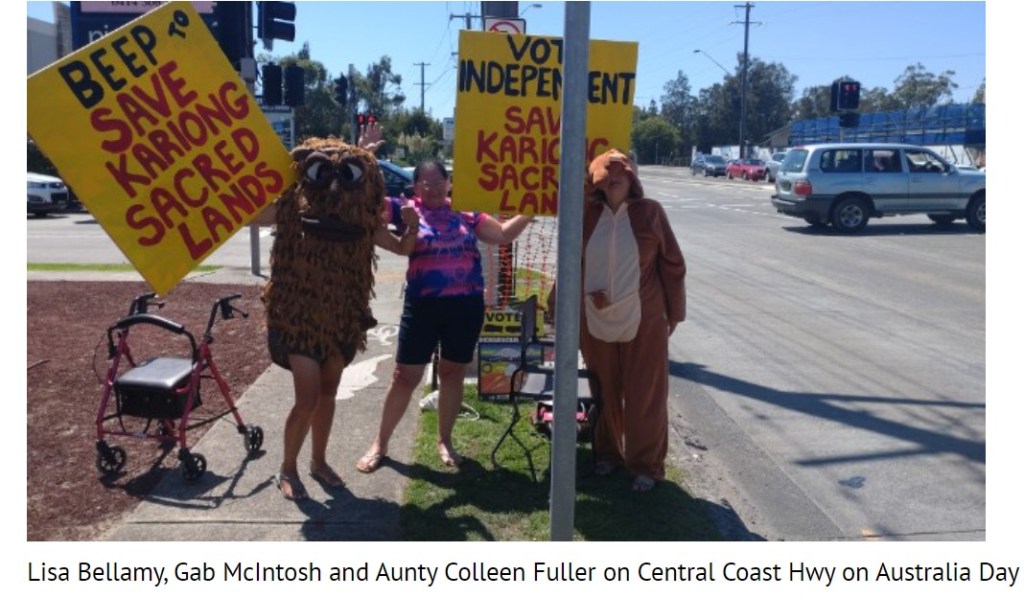
Cassar’s influence extends into a broader coalition including Coasties Who Care, Coast4One, Save Kincumber Wetlands, Save Kariong Sacred Lands, My Place Central Coast, and local branches of One Nation. Cooke (2024) notes that these groups share overlapping membership and ideological themes, including vaccine denial, opposition to climate policy, anti immigration sentiment, and hostility toward DLALC.

These gatherings form hybrid radicalisation environments in which conspiracist epistemology and spirituality blend seamlessly.

6. The Campfire Collective: narrative amplification, spiritualisation, and mythic laundering
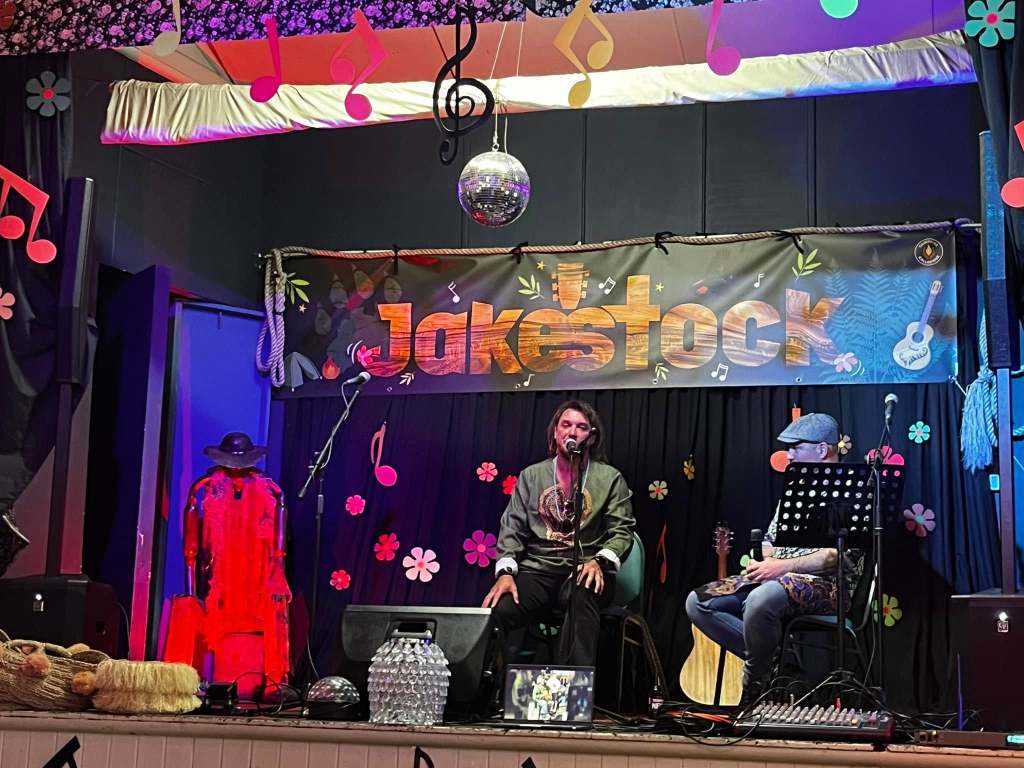
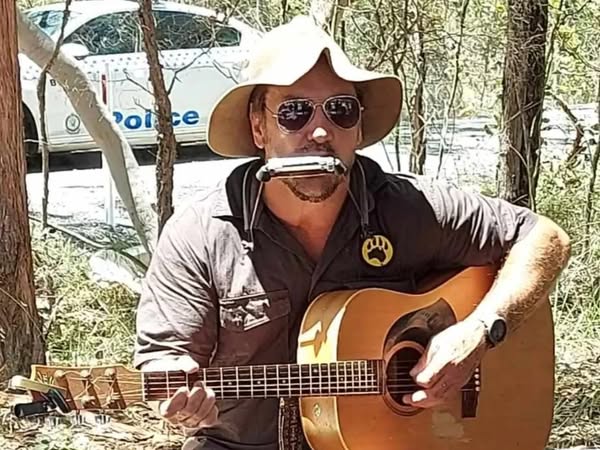
The Campfire Collective functions as a distributed storytelling network that amplifies Cassar’s narratives. Its content blends acoustic performances, campfire philosophy, alternative archaeology, conspiracy aesthetics, and sentimental appeals to land connection.

It extends Cassar’s influence, spiritualises his messaging, and normalises settler custodial fantasy, often at the direct expense of genuine Aboriginal People.
7. Exaggerated support and the myth of forty thousand followers
Cassar’s claim to have forty thousand supporters remains unsubstantiated. Cooke (2025e) demonstrates that public engagement metrics fall far short of this number.

Yet in the symbolic world Cassar creates, mythic numbers are as persuasive as factual ones, strengthening his image as the voice of the people against both government institutions and genuine Aboriginal People.
8. Cassar’s response to the March for Australia anti immigration and neo Nazi rallies
During the national anti immigration rallies of 2025, Cassar responded with calls for unity rather than explicit condemnation of neo Nazi groups. This false equivalence delegitimises anti racist protest and spiritualises political conflict in ways that obscure the racialised dynamics at play.

9. QAnon, the “freedom” ecosystem, and Cassar’s conspiratorial epistemology
Cassar’s content aligns structurally with QAnon style narratives, including claims of secret knowledge, hidden corruption, and awakening. These narratives frame genuine Aboriginal People, archaeologists, and government agencies as suppressors of truth.

10. Institutional endorsement and reputational laundering
Cassar’s shortlisting for the Central Coast Visitor Economy Awards demonstrates how institutional platforms can inadvertently legitimise figures who undermine genuine Aboriginal People. Storytelling is rewarded without scrutiny of cultural safety.
11. Mythopoesis and the emergence of The Cave as a literary extension of settler custodianship
Cassar’s forthcoming book The Cave extends his mythic persona into literary form.

Through mystical encounters, revelations within caves, and spiritual insight narratives, Cassar positions himself as a figure who receives teachings from Country.
This is a classic settler colonial strategy in which literary mythmaking is used to justify spiritual authority over land that belongs to genuine Aboriginal People.

Conclusion
Jake Cassar’s activism, storytelling, and spiritualised environmental messaging form a coherent project of settler conspirituality. Through CEA, the Campfire Collective, bushcraft tourism, and the narrative world of The Cave, Cassar constructs a cultural space in which he and his followers appear as sacred guardians of land, while genuine Aboriginal People are reframed as corrupt, compromised, or spiritually inauthentic.

The cumulative effect is the laundering of far right and conspiracist narratives through spiritual language, environmental concern, and mythopoesis. Countering this phenomenon requires rigorous truth telling, genealogical accountability, and institutional responsibility to prevent cultural harm being normalised under the guise of nature, unity, and storytelling.
 A Long Con, Gone on Too Long.
Leave a comment